
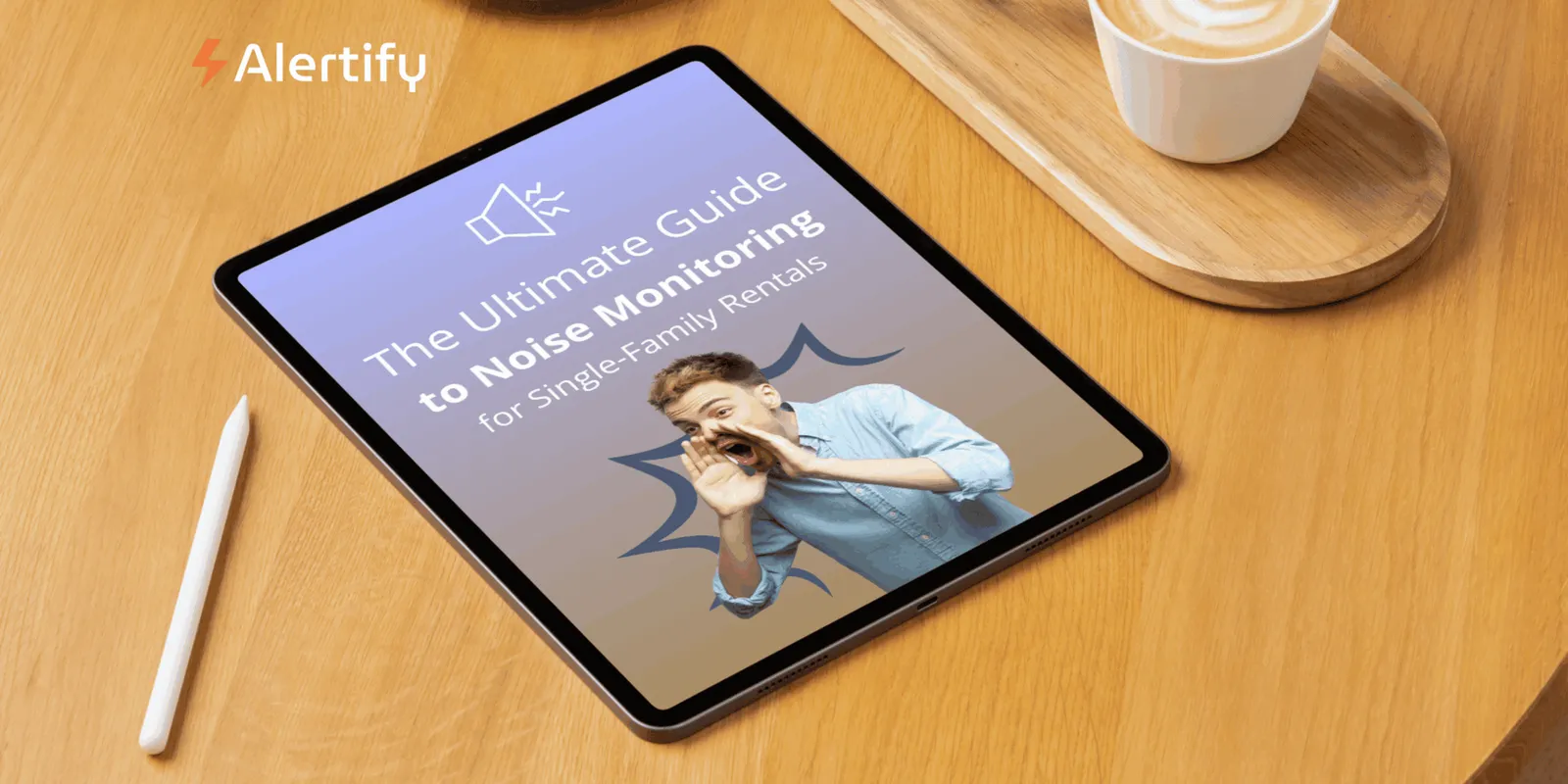
Table of contents
- 1. Introduction to Noise Monitoring for Single-Family Rentals
- 2. Why Noise Monitoring Matters for Single-Family Homes
- 3. How to Prevent Parties and Unauthorized Gatherings in Single-Family Rentals
- 4. What to Do When Neighbors Complain About Your Tenants’ Noise
- 5. The Hidden Costs of Ignoring Noise Complaints in Single-Family Homes
- 6. Smart Tech for Peace of Mind: Why Noise Monitoring Is a Must for Landlords
- 7. How to Use Noise Monitoring to Protect Your Single-Family Rental Without Invasion of Privacy
- 8. Why HOAs Are Cracking Down on Noise—And What Single-Family Landlords Should Do About It
- 9. Noise Monitoring vs. Security Cameras: What’s Best for Protecting Your Single-Family Property?
- 10. Final Thoughts
1. Introduction to Noise Monitoring for Single-Family Rentals
As short-term and long-term rentals continue to grow in popularity, so do the challenges of maintaining peace and order in quiet residential neighborhoods. One of the most pressing issues for landlords and property managers today? Noise.
Whether it’s from rowdy guests, unauthorized parties, or even everyday disturbances, excessive noise can lead to serious consequences—from HOA fines to property damage to negative reviews. This is why smart, privacy-safe noise monitoring is quickly becoming an essential tool in the single-family rental space.
This comprehensive guide will walk you through why noise monitoring matters, how modern devices like Alertify work, what common risks to watch out for, and how to stay compliant while protecting your investment.
2. Why Noise Monitoring Matters for Single-Family Homes
Noise complaints are more than just a nuisance; they can be the tipping point for neighbor disputes, regulatory violations, and tenant dissatisfaction.
2.1. Risks of Unchecked Noise:
- HOA violations and community complaints
- Negative guest reviews and loss of bookings
- Property damage from large, unauthorized gatherings
- Strained landlord-tenant relationships
- Legal or municipal fines
In a competitive rental market, reputation matters. A single bad review citing noise issues can hurt your occupancy rates. Worse, repeated disturbances can lead to rental bans in certain communities.
Noise monitoring provides a proactive solution to these problems. Instead of relying on neighbor complaints or visual inspections, landlords can get real-time alerts and act before situations escalate.
3. How to Prevent Parties and Unauthorized Gatherings in Single-Family Rentals
One of the most disruptive and costly problems faced by landlords and property managers of single-family homes is unauthorized parties. While these events may be rare, when they do occur, the consequences can be significant—from excessive noise and angry neighbors to property damage, HOA violations, and even legal disputes. In single-family neighborhoods where long-term residents value peace and quiet, one loud gathering can permanently damage your reputation with the community.
3.1. The Problem with Parties in Single-Family Rentals
Unlike multi-unit buildings or professionally staffed vacation homes, single-family rentals are often located in quiet, residential communities. That makes them attractive targets for guests looking to host celebrations, especially if there’s no on-site management or staff presence. The result? Landlords are often the last to know—after neighbors complain, or after thousands of dollars in damages have already occurred.
Even well-intentioned guests may invite a few extra friends, leading to unplanned noise disturbances or occupancy violations. Without real-time visibility, landlords and hosts are left in the dark, unable to step in before issues escalate.
3.2. How Smart Noise Monitoring Helps Prevent Parties
In an effort to prevent parties in single-family rentals, it is imperative to set clear expectations and smart technology takes prevention to the next level. Solutions like Alertify use a combination of noise monitoring, occupancy tracking, and automated messaging to help landlords maintain control, even when managing remotely.
Here’s how it works:
3.2.1. Real-Time Alerts
Noise monitoring devices measure decibel levels inside the property and send instant alerts when they exceed a pre-set threshold—often during designated quiet hours. If volume spikes late at night, you’ll know something’s wrong before it becomes a full-blown party.
3.2.2. Automated Guest Messaging
As soon as elevated noise is detected, an automated message can be sent to the guest, reminding them of house rules and quiet hours. This simple step often diffuses the situation without the need for direct confrontation.
3.2.3. Occupancy Tracking
Some devices, like Alertify, also offer occupancy detection by analyzing the number of connected mobile devices or environmental activity. If a home that’s meant to host four guests suddenly spikes to 10+, it’s a clear red flag.
3.2.4. Data Logs and Violation Reports
In the event that a party does get out of hand, having time-stamped data logs and downloadable reports can help support your case. Whether you need to issue a fine, submit an insurance claim, or address the incident with the tenant, the evidence is already collected and organized for you.
3.3. Prevention Starts with Clear Communication
Technology alone isn’t enough. To truly prevent parties in single-family rentals, landlords should also:
Include a strict no-party policy in the lease or rental agreement
Communicate expectations upfront, through welcome guides and pre-arrival emails
Reinforce quiet hours and occupancy limits via property listings, signage, or digital check-ins
Vet guests carefully for red flags like same-day bookings or local addresses
By combining these preventive practices with real-time monitoring, landlords gain peace of mind and reduce the risk of costly, stressful incidents.
3.4. The Result: Fewer Disruptions, Lower Costs, and Happier Neighbors
When landlords are proactive about party prevention, they create a better experience not just for tenants, but for neighbors and the wider community. Maintaining control over gatherings in your rental helps avoid complaints, minimize wear and tear, and preserve the integrity of your business. And with a tool like Alertify, you’re no longer relying on trust alone—you’re backed by smart, privacy-safe tech that supports your rules.
4. What to Do When Neighbors Complain About Your Tenants’ Noise
Even with responsible tenants, noise complaints are bound to happen—especially in single-family neighborhoods where long-term homeowners expect peace and quiet. Whether the cause is a late-night conversation on the patio, loud music, or kids playing in the yard, tensions can escalate quickly if complaints are not addressed professionally and promptly. For landlords, how you respond to tenant noise complaints in single-family homes can make the difference between preserving good neighbor relations or facing HOA action, city fines, or a damaged reputation.
4.1. Why Noise Complaints Are Especially Sensitive in Single-Family Communities
Unlike apartment buildings or large complexes where some level of noise is expected, single-family rental homes are typically nestled among owner-occupied properties. Many of your tenants’ neighbors may be retirees, young families, or professionals who value quiet and predictability. That makes noise a hot-button issue. A single bad experience can lead to neighborhood hostility, HOA reports, or pressure to stop renting your property altogether.
4.2. Steps to Handle Tenant Noise Complaints Effectively
To maintain positive relationships and demonstrate responsible property management, it’s essential to approach noise complaints with transparency, empathy, and a data-backed strategy.
4.2.1. Step 1: Acknowledge the Complaint Promptly
Whether a neighbor approaches you in person, emails you, or leaves a voicemail, your first move should always be acknowledgment. Thank them for reaching out and express that you take their concern seriously. Prompt communication builds trust and shows that you are an engaged and responsible landlord.
4.2.2. Step 2: Review Your Noise Monitoring Data
If you’re using a smart noise monitor like Alertify, you’ll be able to check historical noise levels for the specific date and time of the complaint. This data allows you to confirm whether the noise levels were unusually high and whether the complaint is valid. It also gives you the power to respond objectively—without making assumptions or jumping to conclusions.
4.2.3. Step 3: Address the Tenant Respectfully
Reach out to the tenant in a non-confrontational way. Let them know a concern was raised and review the noise guidelines outlined in their lease or house rules. If noise monitoring data confirms the issue, share it calmly and factually. Often, tenants are unaware they were being disruptive and will appreciate the opportunity to correct their behavior.
4.2.4. Step 4: Document All Communication
Keep a written record of the complaint, your investigation, the monitoring data, and your communication with the tenant. This documentation will be crucial if future complaints arise, or if you’re asked to demonstrate due diligence by the HOA or legal counsel.
4.2.5. Step 5: Reevaluate Your Screening and House Rules
If noise becomes a recurring issue, it may be time to tighten your screening criteria or revise your guest policies. For short-term rentals, consider adding clearer noise policies in the listing, limiting maximum occupancy, or adding automated messaging to remind guests of quiet hours.
4.3. How Smart Noise Monitoring Reduces Neighbor Conflict
Single-family rental noise complaints often stem from perception. What feels loud to one neighbor may seem normal to a guest. This gray area can lead to ongoing disputes, especially when there’s no proof of wrongdoing. A smart noise monitor offers a neutral, third-party perspective by providing objective data that validates (or dismisses) complaints based on measurable thresholds.
Here’s how noise monitoring can ease tensions:
De-escalates early: Automated alerts let you intervene before the neighbor ever has to file a complaint.
Builds trust with neighbors: You can show that you’re using proactive tools to maintain peace and order.
Protects tenant relationships: You avoid accusations based solely on hearsay.
Supports resolution: Detailed reports help settle disputes fairly and professionally.
4.4. Proactive Communication Goes a Long Way
Beyond technology, one of the best ways to reduce tenant noise complaints in single-family homes is through proactive communication with your neighbors. Let them know how to reach you if a problem arises, and reassure them that you’re monitoring the property responsibly. Some landlords even introduce themselves when first starting to rent out a home—creating a direct line of trust that can prevent hostility down the road.
Tip: Include a note in your rental listing or welcome guide that the home is in a quiet neighborhood with full-time residents nearby. Setting expectations from the start helps guests self-monitor their behavior and avoid noise-related issues altogether.
By taking a proactive, professional, and privacy-conscious approach to noise, you can reduce friction with neighbors, maintain your standing with the HOA, and provide a better experience for everyone involved—without compromising tenant trust.
5. The Hidden Costs of Ignoring Noise Complaints in Single-Family Homes
Ignoring noise problems in a rental property can lead to far more than just a few angry emails from neighbors. For landlords of single-family homes, the consequences of unchecked disturbances can escalate quickly—impacting not only the tenant experience but also the property’s reputation, condition, and bottom line. What may seem like a one-time noise issue can spiral into costly, long-term setbacks.
5.1. Potential Costs Include:
Property repairs due to parties, reckless behavior, or overcrowding—think damaged flooring, broken furniture, and trashed outdoor areas.
Fines from HOAs or city ordinances for violating local noise restrictions or quiet hours.
Lost rental income as a result of poor guest reviews, early lease terminations, or lower booking rates.
Legal expenses if disputes escalate to formal complaints, lawsuits, or insurance claims.
Strained neighbor relations, which can lead to increased scrutiny or pressure from the community or HOA.
Noise issues don’t just disrupt the peace—they erode your investment. The longer they go unaddressed, the higher the risk of single-family rental noise damage that affects both your property value and your ability to attract responsible tenants in the future.
By investing in a smart noise monitoring single-family rentals system like Alertify, landlords can detect problems early, prevent escalation, and respond with data-backed actions—ultimately reducing risk and safeguarding the long-term value of their rental property.
6. Smart Tech for Peace of Mind: Why Noise Monitoring Is a Must for Landlords
Technology is rapidly transforming the way landlords manage and protect their rental properties. From keyless entry systems to smart thermostats, automation is making property management more efficient than ever. One of the most impactful innovations in this space is the smart noise monitor for landlords—a device designed to provide peace of mind by helping you stay in control, even when you’re miles away.
6.1. Benefits of Smart Noise Monitoring:
24/7 real-time insights into noise activity, allowing landlords to detect disturbances as they happen.
Automated alerts during quiet hours that notify you or the guest immediately when noise exceeds acceptable thresholds.
Seamless integration with platforms like WelcomeLink, enabling synchronized guest messaging, incident tracking, and detailed violation reporting.
Privacy-safe design with no audio or video recording, ensuring full compliance with tenant rights and local laws.
Historical data logs that help resolve disputes, issue fines, or support insurance claims with time-stamped evidence.
Whether you’re managing a single property or a growing portfolio of short- or long-term rentals, a smart noise monitor for landlords is a low-effort, high-impact tool. It enhances your ability to prevent property damage, reduce neighbor complaints, and maintain a professional standard of operation—all while respecting tenant privacy and improving guest accountability.
By adopting this kind of smart tech, landlords gain not just control—but confidence.
7. How to Use Noise Monitoring to Protect Your Single-Family Rental Without Invasion of Privacy
In an era of smart homes and connected devices, many landlords are eager to adopt technology that helps protect their rental properties. But tenant privacy remains a top concern—especially in single-family rentals, where guests and tenants expect the same level of comfort and autonomy they would have in their own homes. That’s why privacy-safe noise monitoring is gaining traction as the preferred solution for responsible property owners who want to stay compliant, avoid conflict, and maintain good tenant relationships.
Unlike traditional surveillance tools that can cross privacy boundaries, privacy-safe noise monitors are built specifically to offer protection without intrusion. These devices focus on patterns, not people, using data-driven technology to alert landlords to potential issues while maintaining full tenant confidentiality.
7.1. Features of Privacy-Safe Noise Monitors:
No audio recordings: Devices like Alertify monitor noise levels using decibel thresholds only—nothing is recorded, stored, or listened to.
No cameras or visual surveillance: These monitors are audio-free and camera-free, meaning no risk of privacy violations or legal trouble from unauthorized video monitoring.
Decibel-based thresholds only: Monitors detect when sound levels exceed acceptable limits, such as 75 dB after 10 PM—without ever capturing what was said or done.
Customizable settings: Landlords can adjust quiet hours, notification frequency, and response protocols to fit the specific needs of their property and local regulations.
Real-time alerts with automated messaging: Tenants can be notified immediately if sound exceeds the threshold, allowing them to take corrective action before a complaint is filed.
7.2. Why Privacy-Safe Monitoring Matters
In many jurisdictions, placing cameras or audio devices inside a rental property—especially without explicit consent—can violate local privacy laws and result in lawsuits or fines. Even with disclosure, tenants may feel uncomfortable knowing they’re being recorded. That discomfort can damage the guest experience and deter future bookings.
Privacy-safe noise monitoring removes this tension. By using anonymized sound level data rather than recorded content, landlords can protect their investment while reassuring tenants that their personal space is respected. It’s a win-win: greater oversight for the landlord, and greater peace of mind for the tenant.
7.3. Alertify: Built for Transparency and Trust
Devices like Alertify are designed with transparency at their core. Landlords can inform guests about the presence of a noise monitor upfront—often in the listing description or house rules—along with an explanation that no conversations are recorded and that the technology is purely for decibel-level tracking.
This proactive communication not only builds trust but also serves as a deterrent for parties and excessive noise. When tenants know a privacy-safe noise monitoring system is in place, they’re more likely to adhere to house rules and quiet hours.
With privacy-safe smart home noise solutions like Alertify, landlords no longer have to choose between protecting their property and respecting tenant boundaries. You can maintain control, stay ahead of potential issues, and reduce your risk of fines or complaints—all without compromising tenant trust.
8. Why HOAs Are Cracking Down on Noise—And What Single-Family Landlords Should Do About It
In recent years, Homeowners Associations (HOAs) have become increasingly strict about enforcing community standards—especially when it comes to rental properties. As the number of short- and mid-term rentals grows in traditionally owner-occupied neighborhoods, so does concern over excessive noise, disruptive guests, and declining neighborhood satisfaction. This has led to a wave of tighter regulations, and HOA noise rules for rental property owners are now more enforced than ever before.
8.1. Why Are HOAs Cracking Down?
HOAs are responsible for maintaining the quality of life and property values within their communities. When guests cause disturbances, throw parties, or disregard community rules, it’s not just an inconvenience—it’s a direct threat to the HOA’s ability to protect homeowners’ interests. As a result, many HOAs have amended their bylaws to include stricter oversight of rentals, especially in areas where short-term stays have spiked.
Even one disruptive weekend can trigger complaints, HOA fines, or formal restrictions on rental activity. For landlords, this means greater scrutiny and increased risk—particularly if you’re managing remotely or using the property as a vacation rental.
8.2. Common HOA Rules for Rentals
If your rental is located within an HOA-governed neighborhood, you may be subject to the following noise-related and rental-specific rules:
Enforced quiet hours, typically between 10 PM and 7 AM
Restrictions on short-term rentals, including minimum stay lengths or outright bans
Occupancy limits or guest caps, especially during weekends or holidays
No-party policies, including limits on gatherings or special events
Registration requirements, which may include providing tenant contact info or landlord availability
Fines for repeat violations, which can increase in severity or lead to litigation
Understanding these rules isn’t optional—it’s essential for protecting your rental income and avoiding potential legal complications.
8.3. What Landlords Should Do to Stay Compliant
To ensure you’re aligned with HOA noise rules rental property policies, take a proactive and transparent approach:
8.3.1. Include HOA Rules in Your Lease or Guest Handbook
Ensure tenants understand the community’s expectations from day one. Include HOA rules in your lease agreement, guest handbook, or welcome email. Highlight key policies like quiet hours, parking restrictions, and event limitations so guests aren’t caught off guard.
8.3.2. Use Smart Monitors to Enforce Policies Discreetly
Devices like Alertify allow landlords to monitor noise levels and occupancy in real-time—without recording audio or video. These privacy-friendly monitors automatically alert you when noise exceeds the threshold, so you can respond before the HOA gets involved. It’s a passive but powerful way to enforce the rules and demonstrate accountability.
8.3.3. Provide Documentation if Complaints Arise
HOAs may request evidence of how you’re handling violations. With smart monitoring tools, you can provide time-stamped noise logs and automated messaging history to show you’ve taken action. This helps de-escalate conflicts and protects you from unwarranted penalties.
8.3.4. Maintain Open Communication with the HOA
Introduce yourself to the HOA board and keep lines of communication open. Let them know you’re committed to being a responsible landlord and willing to address issues quickly. In some cases, this relationship alone can help reduce friction and build goodwill.
8.4. The Cost of Non-Compliance
Failing to comply with HOA regulations can result in:
Recurring fines that add up quickly
Tenant complaints or early departures due to stricter enforcement
Legal action, including cease-and-desist letters or rental bans
Loss of rental privileges within the community
Damaged reputation with neighbors and potential guests
By being proactive and implementing tools like Alertify, landlords can avoid these consequences while creating a better experience for tenants and neighbors alike.
8.5. Final Thoughts on HOA and Noise
As HOAs continue to crack down on rentals, noise, and community disruption, landlords must take a more thoughtful and compliant approach to property management. Understanding and adhering to HOA noise rules rental property requirements isn’t just about following the rules—it’s about preserving your income, maintaining relationships, and operating sustainably within a community.
With the right strategy and smart monitoring in place, landlords can reduce complaints, stay in good standing with the HOA, and continue renting successfully—without the stress.
9. Noise Monitoring vs. Security Cameras: What’s Best for Protecting Your Single-Family Property?
When it comes to protecting your rental home, the tools you choose can make a major difference—not just in how well you safeguard the property, but in how you balance privacy, guest experience, and legal compliance. For landlords of single-family homes, the debate often comes down to a key question: noise sensor vs security camera?
While both technologies offer benefits, they serve different purposes and come with their own sets of advantages and limitations. Understanding where each tool fits in your property protection strategy is essential—especially as privacy laws tighten and guests become more sensitive to surveillance.
9.1. Pros of Noise Sensors
Noise sensors are specifically designed to detect disturbances without crossing privacy boundaries. Devices like Alertify use decibel-based monitoring to alert landlords when sound exceeds acceptable levels, especially during quiet hours.
Key Advantages:
Non-invasive: No audio recordings or cameras are used. These monitors simply measure sound levels, making them fully privacy-safe.
Behavior-focused: Rather than monitoring identity or actions, noise sensors focus on when and how loud an event is, helping identify potential parties or disturbances.
Ideal for party prevention: Spikes in noise during late-night hours can alert you to unauthorized gatherings in progress, allowing for quick intervention.
Supports compliance: Because no visual or audio data is captured, noise sensors are often better aligned with local privacy regulations and HOA requirements.
9.2. Pros of Security Cameras
Security cameras can be a powerful tool for monitoring outdoor areas of a property. They’re particularly useful for detecting unauthorized access, theft, vandalism, or unwanted visitors at entry points.
Key Advantages:
Visual documentation: Cameras provide a clear record of who entered or exited the property and when—valuable if theft, damage, or disputes occur.
Deterrence effect: The visible presence of security cameras can discourage criminal activity or trespassing.
Exterior safety coverage: Best suited for monitoring driveways, garages, entrances, or other outdoor zones without infringing on tenant privacy.
Real-time access: Many camera systems include apps that let landlords view footage on demand or receive alerts for motion detection.
9.3. Why Choose Noise Sensors for Indoor Monitoring?
While both tools have a role to play, noise sensors are the superior option for monitoring indoor behavior in a privacy-conscious and legally compliant way.
Security cameras may seem like a catch-all solution, but when installed inside a rental property, they can quickly cross ethical and legal lines. In many jurisdictions, recording guests inside a rental—especially without clear consent—is strictly prohibited. Even when disclosed, the presence of indoor cameras often deters bookings and creates discomfort for tenants who expect their rental to feel like home.
In contrast, noise sensors provide a discreet, effective way to detect potential issues without violating guest privacy. They don’t capture conversations, visuals, or any personally identifiable information. Instead, they alert landlords based on sound level thresholds—providing actionable insights without overstepping boundaries.
9.4. Combining Both for a Comprehensive Strategy
Instead of choosing between a noise sensor vs security camera, many landlords use both—each in the right place:
Install noise sensors inside the property to monitor guest behavior and enforce quiet hours without invading privacy.
Use security cameras outside the property to safeguard entrances, track deliveries, or deter vandalism and break-ins.
This layered approach offers the best of both worlds: full situational awareness with complete respect for your tenants’ rights.
9.5. Final Thoughts on Noise vs. Security Cameras
When protecting your single-family rental, the right technology depends on the type of risks you’re trying to manage. If your top concerns are parties, single-family rental noise complaints, or tenant disputes, noise sensors offer a smart, non-invasive solution that keeps you compliant and proactive. If theft or perimeter security is a concern, outdoor security cameras can be a useful complement.
Ultimately, smart landlords know that privacy-focused home protection doesn’t mean compromising on safety—it means using the right tools in the right way. With devices like Alertify, you can maintain control, reduce risk, and preserve trust—all without stepping into gray areas.
10. Final Thoughts
As single-family rentals become more common—especially in residential neighborhoods not originally designed for transient guests—landlords face increasing pressure to balance property protection with guest satisfaction and community standards. Choosing the right technology plays a major role in navigating this evolving landscape.
When weighing a noise sensor vs security camera, it’s clear that both have their place in a well-rounded rental protection strategy. However, for indoor monitoring and behavior-based insights, noise sensors offer a more privacy-conscious and legally sound solution. They empower landlords to prevent parties, respond to complaints with objective data, and protect their property—all without violating tenant trust or facing potential legal consequences.
Meanwhile, security cameras—when used appropriately in exterior areas—can enhance your property’s safety and deter criminal activity. The key is understanding the strengths and limitations of each and using them in ways that align with local laws, HOA policies, and guest expectations.
Smart technology like Alertify bridges the gap between effective monitoring and ethical property management. With features like automated alerts, occupancy detection, and integration with platforms like WelcomeLink, Alertify gives landlords full control while maintaining transparency and privacy for guests.
In a market where a single bad review, HOA fine, or legal dispute can threaten your business, adopting the right tools isn’t just smart—it’s essential. By implementing privacy-safe noise monitoring alongside other intelligent solutions, landlords can confidently protect their investment, support tenant accountability, and foster positive relationships with neighbors and communities.
Looking for more guidance on how to implement noise monitoring effectively?
Whether you manage one property or a growing portfolio, this guide will walk you through everything you need to know to stay compliant, proactive, and protected.
Implement noise monitoring effectively in single-family housing.
Want more Alertify? Follow us on: