
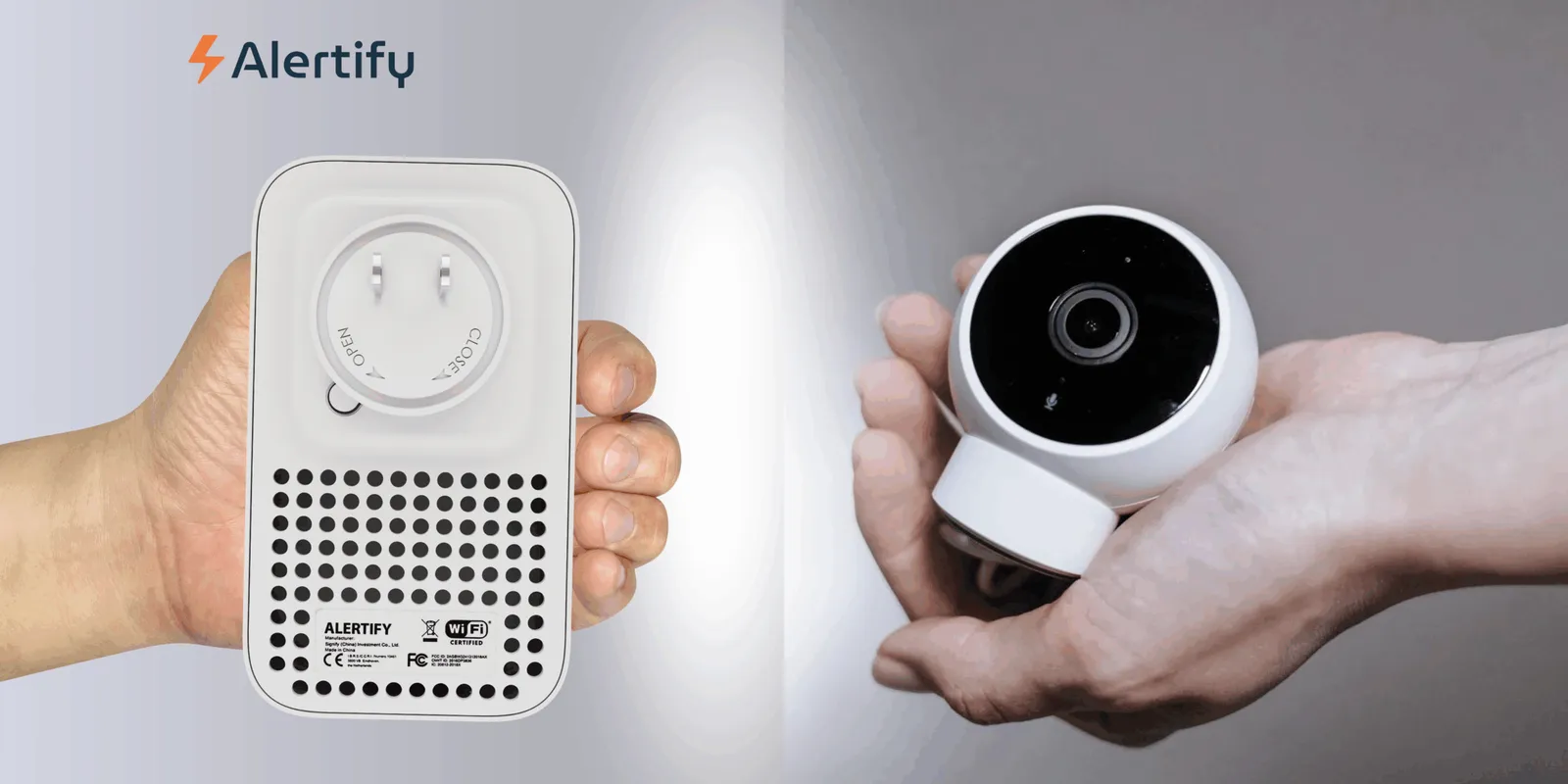
When it comes to protecting your rental property, you’ve likely weighed a range of options — from traditional alarm systems to high-tech smart devices. But for property managers focused on privacy, guest satisfaction, and community compliance, the decision often comes down to this: noise sensor vs security camera.
Both technologies serve a purpose, but they offer very different approaches to rental property security, especially in single-family homes where tenant privacy and HOA rules matter more than ever.
In this article, we’ll break down the pros and cons of each, explore key use cases, and help you decide which solution is right for your property. Spoiler alert: If you’re looking for privacy-focused home protection, noise sensors might be the smarter — and more compliant — choice.
The Need for Smarter Security in Single-Family Rentals
Single-family rentals present unique challenges for landlords and property managers. Unlike apartment complexes or multi-unit buildings, these homes are often located in quiet residential neighborhoods, surrounded by full-time homeowners with zero tolerance for noise or disruptions. This makes proactive protection essential—not just from break-ins, but also from nuisance guests, parties, and potential HOA violations.
As short-term rentals become more common in suburban settings, property owners need rental property security options that balance:
Guest privacy
Community harmony
Regulatory compliance
Real-time incident response
That’s where the comparison of noise sensor vs security camera becomes especially relevant.
Security Cameras: Pros and Cons
Security cameras have long been the go-to tool for monitoring property exteriors. In rental settings, they’re typically placed at entry points, driveways, or garages to deter theft and provide visual evidence in case of damage or break-ins.
Pros:
Visual evidence: Ideal for documenting vandalism, trespassing, or property damage.
Deterrent effect: The mere presence of cameras can discourage bad behavior.
Remote access: Many systems offer real-time viewing and cloud storage for convenience.
Cons:
Privacy concerns: Installing cameras inside a rental unit can violate tenant rights and local laws.
Limited scope: Cameras can’t detect excessive noise or indoor activity unless visually obvious.
Footage review required: You often need to sift through hours of video to spot an issue.
HOA and local restrictions: Some communities prohibit visible cameras facing shared spaces.
Noise Sensors: A Smarter, Privacy-Friendly Alternative
Noise monitoring devices—like those offered by Alertify—use decibel detection to monitor sound levels inside the rental property, without recording audio or invading privacy. When noise exceeds a set threshold (like during quiet hours), landlords receive real-time alerts.
Pros:
Privacy-safe: Unlike cameras, noise sensors don’t capture video or audio, making them ideal for indoor use.
Real-time alerts: Get notified the moment a disturbance starts, so you can intervene quickly.
Automation-ready: Integrates with platforms like WelcomeLink for guest messaging and incident logging.
Ideal for party prevention: Helps spot unauthorized gatherings before damage occurs.
HOA-friendly: Supports privacy-focused home protection that respects neighborhood rules.
Cons:
No visual evidence: Can’t show what’s happening, only that noise has exceeded safe limits.
Focused use case: Best for detecting disturbances, not criminal activity.
Use Cases: When to Choose Noise Sensors Over Cameras
Let’s say you manage a single-family home in a suburban community with strict HOA rules. Your guests are mostly short-term vacationers. Your top concerns? Loud parties, neighbor complaints, and potential fines.
In this scenario, a noise sensor is far more effective than a security camera. It allows you to detect problems early—without violating your guests’ privacy or sparking HOA conflicts over surveillance.
On the other hand, if you’re more concerned about package theft or exterior vandalism, an outdoor security camera might still be a worthwhile addition.
But when it comes to what happens inside your property—where most noise complaints and damage originate—privacy-focused noise sensors are the smart solution.
The Legal and Ethical Angle
Many local jurisdictions have strict rules about surveillance in rentals, especially for short-term stays. Recording devices in private areas (like bedrooms or living rooms) are typically prohibited—even if they’re disclosed.
That’s why privacy-focused home protection is gaining traction. Tools like Alertify provide essential monitoring without capturing any personally identifiable information, helping landlords stay legally compliant while still protecting their assets.
Want to dig deeper into legal best practices and setup tips? Read The Ultimate Guide to Noise Monitoring for Single-Family Rentals. This guide covers everything you need to know to choose the right device, set thresholds, and handle violations effectively.
Combining Both: A Balanced Approach
In some cases, the best option may be to combine both technologies. For example:
Use outdoor cameras to monitor entrances, driveways, or common areas (where legally permitted).
Install indoor noise sensors in main living areas to detect excessive sound without invading privacy.
This gives you full coverage—inside and out—while maintaining tenant trust and meeting community standards.
Final Verdict: Noise Sensor vs Security Camera
When comparing noise sensor vs security camera, the right choice depends on your priorities. If your focus is on:
Guest accountability
Peace of mind
Avoiding HOA or legal issues
Respecting tenant privacy
Then noise monitoring is the clear winner.
Alertify offers a best-in-class solution built specifically for property managers who need smarter, compliant tools for modern rental security. With features like automated alerts, integration with guest platforms, and privacy-first design, it’s the ideal fit for today’s single-family rental market.
Learn more ways how Alertify can prevent costs in hospitals
Want more Alertify? Follow us on: