
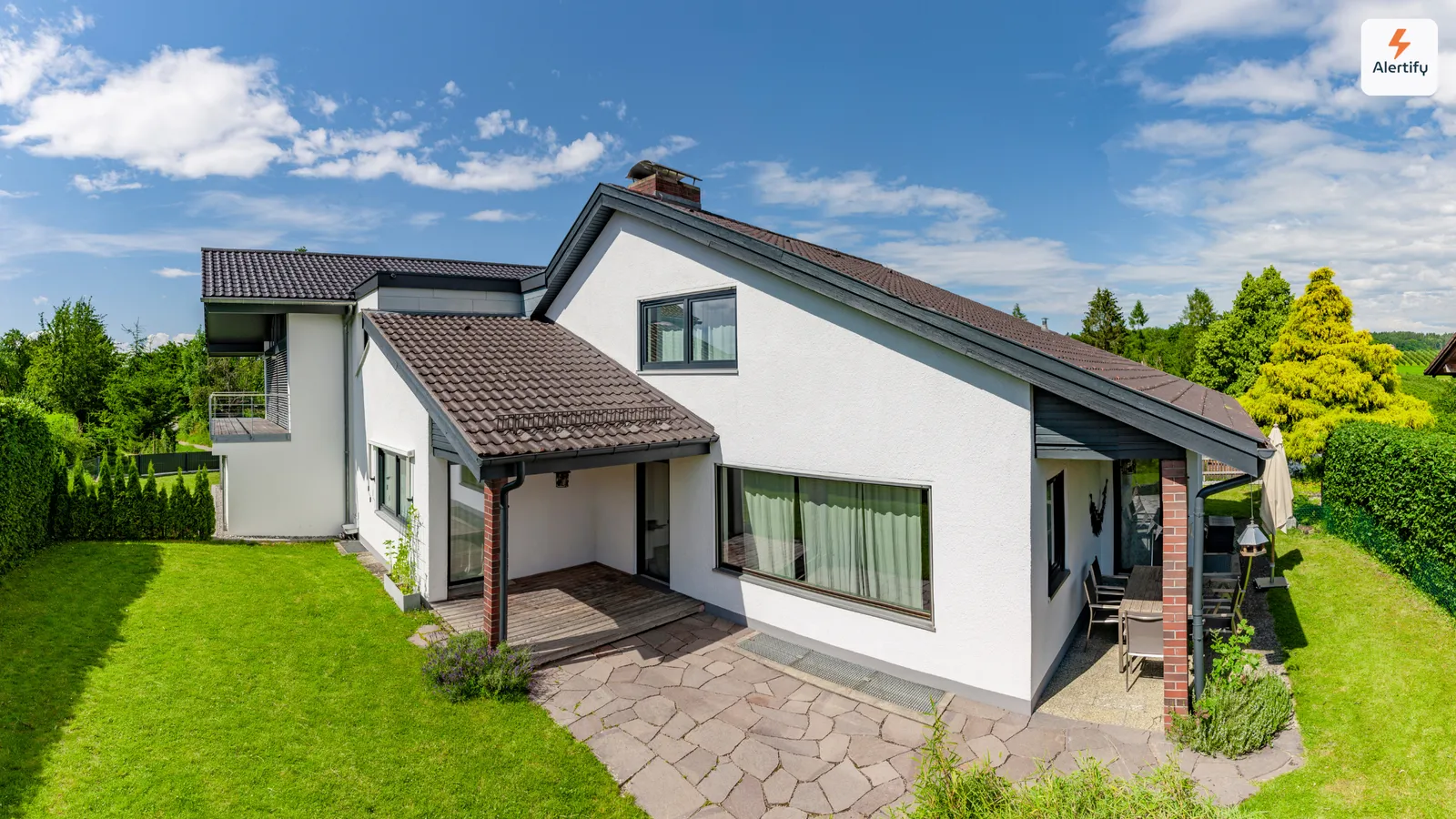
An empty house is not a low-risk house. It is an unobserved one. The three or four weeks between a move-out and a move-in are the only period in the year when nobody sleeps at the property, nobody runs the HVAC on a normal schedule, and nobody notices a smell, a sound, or a leak until somebody happens to visit.
Vacant rental property monitoring covers that window. It is the least discussed part of noise control for single-family rentals precisely because there is no tenant to manage, and it is where a surprising share of expensive turnover problems begin.
What Goes Wrong in an Empty Single-Family Home
Unoccupied rental home risks fall into three groups.
The first is moisture. Once the HVAC stops running on a normal cycle, humidity drifts. The EPA recommends keeping indoor relative humidity below 60 percent and ideally between 30 to 50 percent, and advises drying wet or damp materials within 48 hours, guidance published in its mold prevention resources. A vacant house in a humid climate can sit above that range for weeks with nobody present to notice condensation on the windows or a musty smell in a closed room. Mold discovered during a final walkthrough delays the next tenancy and costs real money.
The second is unexpected activity. An empty detached home with no car in the driveway is visibly empty, and that visibility attracts attention. Unauthorized entry in a vacant property can run for days before anybody notices, and the longer it runs the harder and more expensive it becomes to resolve.
The third is the work itself. Turnovers involve contractors, cleaners, and showings, which means doors unlocked, windows opened for paint fumes, and thermostats adjusted and never set back. Small oversights compound across a three-week vacancy, and none of them announce themselves. Nobody calls to report that a window has been open since Thursday.
What links all three is timing. Every one of these problems costs very little in its first few days and a great deal by the time somebody physically notices it.
Vacant Rental Property Monitoring During Turnover
A plug-in sensor covers the vacancy without anybody attending the property.
Alertify tracks indoor climate conditions including temperature and humidity, with mold risk assessment flagging the conditions that lead to a problem rather than the problem itself. Catching a humidity climb in week one is a thermostat adjustment. Catching it at the final walkthrough is a remediation quote.
Noise monitoring and occupancy monitoring serve a different purpose in an empty house than they do in an occupied one. Any activity at all is exceptional, so the threshold for a useful alert drops considerably. Sound or occupancy signals in a property that should be silent tell you something is happening well before a neighbor notices or a cleaner arrives to find a door open.
Tamper alerts cover the device itself, and a backup battery keeps the record running through a power interruption. Coverage is roughly 800 square feet per device, and setup requires somebody at the property, which makes the start of a vacancy the natural install window.
The privacy position holds in a vacant home as it does in an occupied one. No cameras, no microphones, no audio recording. Nothing about the device changes when the next tenant moves in, which means no awkward conversation about a temporary measure that stayed.
Turning Vacancy Data Into a Better Handover
Turnover property checks usually rely on two photographs and a memory. A continuous record does considerably more.
It establishes a condition baseline. Temperature and humidity history through the vacant period documents the environment the incoming tenant inherits, which matters if a moisture problem surfaces three months into the tenancy and nobody can say when it started.
It separates causes. The most contested deposit disputes turn on whether damage predates the tenancy. A record spanning the vacancy and the first weeks of occupancy answers that question without either party guessing.
It also holds contractors and vendors to the schedule. Activity logs show when work actually happened at the property, which is useful when an invoice covers three visits and the timeline is unclear, or when a job that was meant to finish on Tuesday clearly did not start until Friday.
And it shortens the vacancy itself. Owners who spot a humidity problem in week one fix it during the turnover rather than discovering it at the final inspection and pushing the move-in date back. Every day of avoided delay is a day of rent, which is usually the largest single cost attached to a turnover.
Carry the sensor into the tenancy rather than treating it as a vacancy measure. Thresholds need adjusting once somebody lives there, but the device stays and the history continues.
Keep the records. Event history stored for 180 days and beyond means the vacancy is still documented well into the following tenancy, when the questions usually arise.
The Weeks Nobody Is Watching
Vacancy is the one period where the cost of not knowing is entirely avoidable. A sensor left running through turnover catches the humidity drift, the unexpected activity, and the contractor oversight while each is still trivial to fix.
See how a property looks on the dashboard during a vacancy. Book a demo and we will walk you through climate tracking, alerts, and the reporting behind them.
Frequently Asked Questions
What are the biggest risks to a vacant rental property?
Three stand out: moisture, once the HVAC stops running on a normal cycle and humidity drifts; unexpected activity in a house that looks visibly empty; and turnover oversights such as unlocked doors, open windows and thermostats never reset. Each is cheap in its first days and expensive later.
What humidity level should a vacant house be kept at?
The EPA recommends keeping indoor relative humidity below 60 percent, ideally between 30 and 50 percent, and drying wet or damp materials within 48 hours. A vacant house in a humid climate can drift above that range for weeks with nobody present to notice.
Should the monitor stay in place after the new tenant moves in?
Yes. Adjust the thresholds once somebody lives there, but keep the device running so the history continues. A record spanning the vacancy and the first weeks of occupancy helps settle disputes about whether damage or moisture problems predate the tenancy.