
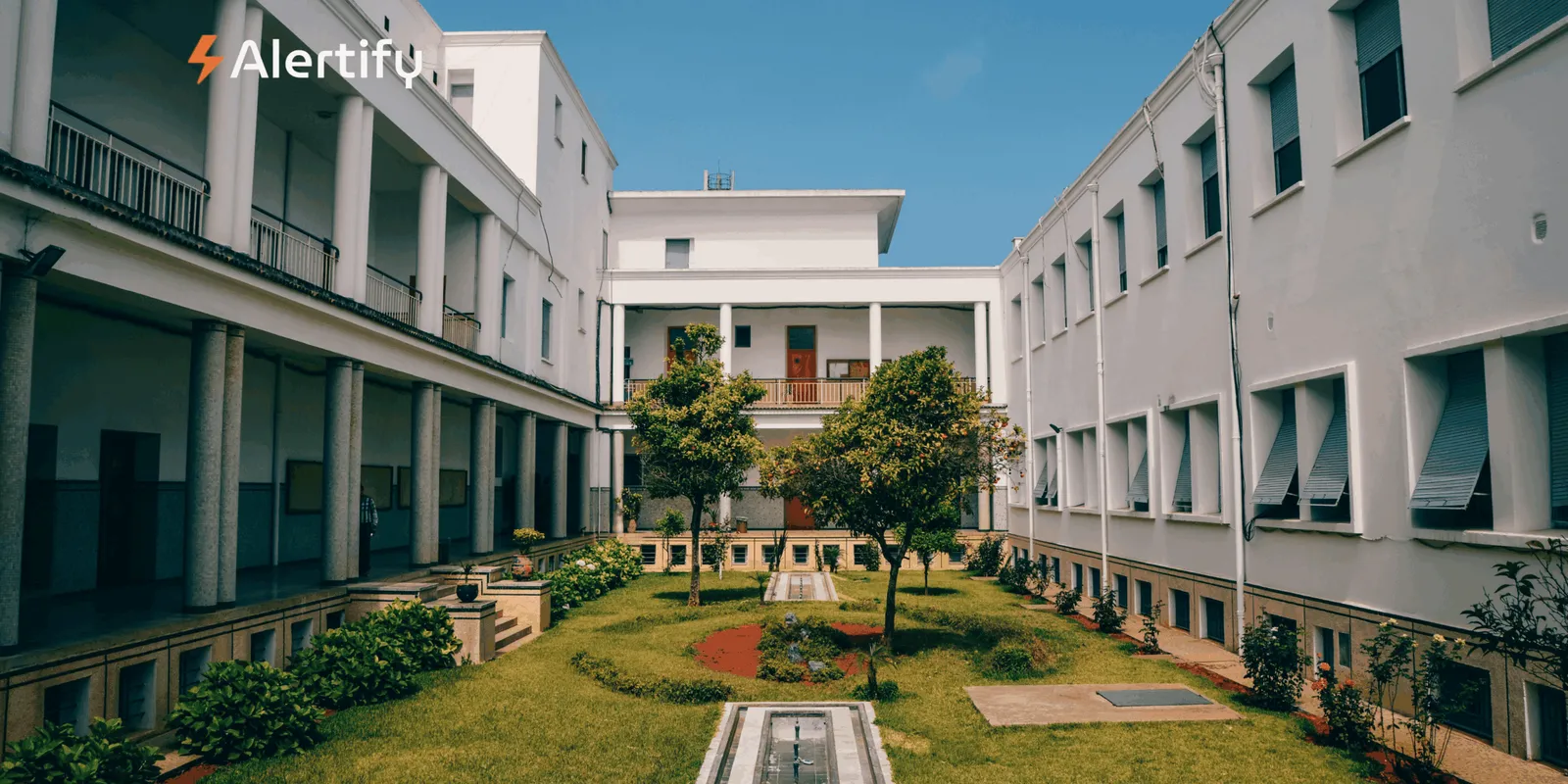
The Evolving Risk Inside Our Schools
Today’s schools are more than just learning environments—they’re dynamic spaces where safety, health, and education intersect. But one growing challenge often flies under the radar: indoor smoking and vaping. From middle schools to university campuses, students are increasingly using not only cigarettes but also vaping devices and marijuana, often discreetly in restrooms, classrooms, and dorm rooms.
While many schools have smoke-free policies, enforcing them without being invasive has long been a struggle. That’s where smart smoke detection enters the conversation. These tools don’t just offer better enforcement—they provide a new layer of proactive, privacy-safe monitoring that every educational institution needs.
The Problem: Discreet Devices, Hidden Health Risks
Modern vaping devices are small, odorless, and easy to conceal. Some students even use them in classrooms or hallways without detection. This quiet trend isn’t harmless. These products release aerosolized particles that linger in the air, often containing nicotine, THC, and other harmful compounds.
Poor air quality caused by indoor smoking contributes to asthma attacks, headaches, reduced concentration, and increased absenteeism. And when marijuana or tobacco use goes unchecked, it can quickly escalate into broader disciplinary issues, peer pressure dynamics, and reputational risks for schools.
Traditional Detection Falls Short
Many schools rely on staff observations, hallway patrols, or student reports to catch violators. But this approach is reactive and inconsistent. Students find ways to hide their habits, and teachers or RAs often feel frustrated by their limited ability to intervene.
Worse still, confrontations between students and staff over suspected smoking or vaping can lead to unnecessary tension—and in some cases, legal disputes. The absence of objective evidence puts schools in a vulnerable position, particularly when parents get involved.
Enter Smart Smoke Detection: Passive, Precise, and Privacy-Safe
What makes smoke detection in classrooms and shared school spaces so valuable today is how non-intrusive and effective modern technology has become. Sensors like those developed by Alertify detect changes in airborne particles and volatile compounds, allowing school staff to know when smoking activity has occurred—without cameras, microphones, or personal monitoring.
These sensors:
Continuously monitor air quality to detect tobacco or marijuana smoke in real time.
Send discreet alerts to designated school personnel, enabling quick, calm responses.
Log events with timestamps, which helps schools maintain an incident record for compliance or disciplinary action.
Operate silently in the background, with no impact on the student experience unless a rule is broken.
Because they don’t record audio or visuals, these devices don’t infringe on student privacy, making them ideal for placement in dorms, restrooms, libraries, or locker areas.
Improving Air Quality and Student Health
Indoor smoking doesn’t just violate rules—it degrades the learning environment. Long-term exposure to secondhand aerosol from vape pens or smoke from marijuana has been linked to respiratory problems and decreased cognitive performance. Younger students are especially vulnerable, as their lungs are still developing.
Air quality school sensors that detect particulate matter and volatile compounds can also serve as early warnings for broader environmental health issues. By tracking baseline air quality over time, schools gain the ability to address HVAC failures, ventilation issues, or even mold risks before they become serious.
This isn’t just about discipline. It’s about protecting health and upholding the school’s duty of care.
The Role of Real-Time Alerts in Prevention
Student smoking alerts provide a key advantage: they allow school staff to act before the behavior spreads or becomes normalized. When a real-time alert is triggered:
A staff member can discreetly investigate, rather than waiting for complaints or signs.
Patterns can be tracked—perhaps certain restrooms or times of day show repeat incidents.
Students learn that smoke-free policies aren’t just lip service—they’re enforced, fairly and consistently.
This can be especially powerful in high school or college dormitories, where peer behavior spreads quickly. By using alert systems instead of relying on room checks or student reporting, schools can avoid suspicion, maintain fairness, and encourage a sense of shared responsibility.
Why Privacy Still Matters—and How to Respect It
Installing surveillance devices in restrooms or dorms raises understandable concerns. That’s why smart smoke detection tools must operate without compromising privacy. Unlike security cameras or even some vape detectors that use audio triggers, the best systems rely purely on environmental data.
This privacy-safe school tech gives administrators peace of mind while avoiding any legal gray areas. There are no recordings to worry about, no risk of “spying,” and no accidental overreach. Just solid, neutral data that supports school policy without crossing ethical lines.
Supporting Staff and Easing Conflict
Perhaps one of the most overlooked benefits of classroom smoke detection is how much easier it makes life for school staff. Teachers, deans, and resident assistants no longer have to play detective. They can lean on objective, time-stamped alerts instead of relying solely on judgment or hearsay.
This reduces conflict between students and staff and eliminates the need for awkward confrontations. It also helps avoid bias, since alerts are based on environmental data, not perception or accusations.
Integration and Incident Reporting
Some systems, including Alertify, integrate with broader school management platforms. This means that when a smoke alert is triggered, the report can be automatically logged alongside other behavioral incidents, tied to specific rooms or students.
This incident documentation streamlines communication with parents, builds evidence for potential disciplinary action, and even helps fulfill regulatory reporting requirements for public institutions.
Final Thoughts: An Investment in Health and Trust
Smart smoke detection in classrooms and campus buildings isn’t about punishing students—it’s about protecting them. It’s about creating a safe, healthy space where students can focus, thrive, and breathe clean air. It’s also about empowering staff with the tools they need to uphold school policies fairly and consistently.
With privacy-first technology, real-time alerts, and data-backed incident logs, today’s educational institutions don’t have to choose between enforcement and student trust. They can have both.
In a world where health and safety expectations are only rising, smoke detection classroom sensors aren’t a luxury—they’re a modern necessity.
Implement smoking detection in your school, today
Want more Alertify? Follow us on: