
Smoking is the leading cause of preventable fire deaths in the United States, and in low-income housing communities, the risks it poses extend far beyond personal health. For property managers of affordable and public housing, tenant smoking doesn’t just violate policy—it brings with it an entire spectrum of hidden costs: fire hazards, legal exposure, and tenant dissatisfaction.
In this article, we’ll break down the real smoking risks in affordable housing and the costs associated with smoking in affordable housing communities and explore how proactive detection and enforcement can protect lives, budgets, and housing quality.
Smoking Risks in Affordable Housing: A Growing Concern
Despite widespread smoke-free policies—especially in federally subsidized housing—smoking continues to be a serious threat in low-income communities. The U.S. Department of Housing and Urban Development (HUD) implemented a no-smoking rule in 2018 for all public housing authorities (PHAs), mandating that smoking be prohibited inside units, common areas, and within 25 feet of buildings.
Why? Because the consequences are staggering.
According to the National Fire Protection Association (NFPA), smoking materials (such as cigarettes and cigars) are responsible for nearly 17,000 residential fires per year in the U.S. These fires result in approximately 590 deaths, 1,130 injuries, and $426 million in property damage annually.
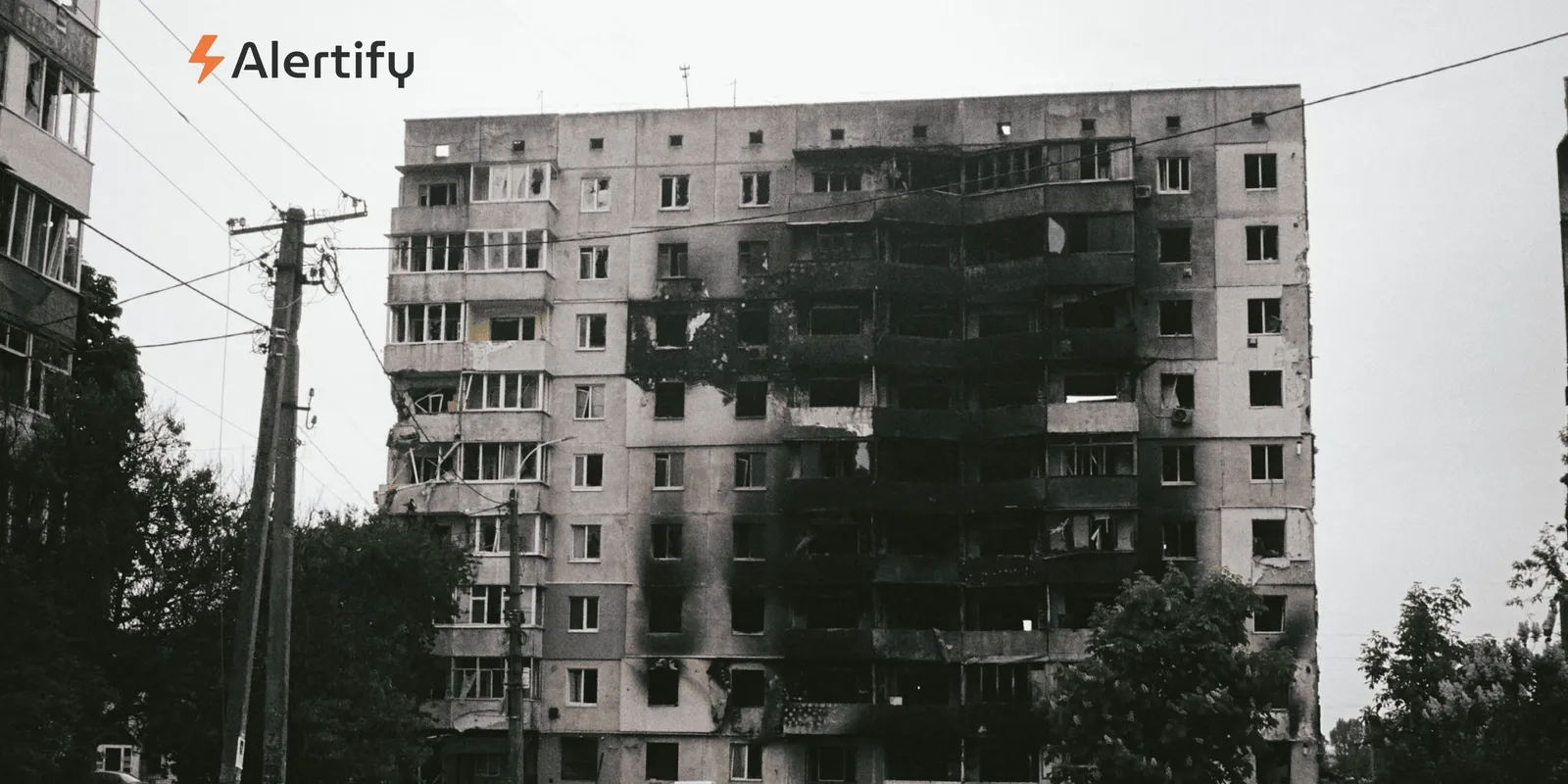
For low-income housing communities, where buildings may be older and more densely populated, the risks are even greater. A single smoking-related fire can quickly displace dozens of families and cause hundreds of thousands in damages.
Fire Hazards from Smoking in Public Housing
Older buildings often lack modern fireproofing, making them especially vulnerable to fast-moving fires. Smoking near oxygen tanks, in bed, or in cluttered apartments presents a deadly mix of fire triggers.
In 2021, a tragic fire in the Bronx—linked to a space heater and delayed smoke alarm responses—highlighted how vulnerable residents in public housing can be. While not caused by smoking, it underscored the urgent need for stricter safety protocols in multifamily units. Smoking-related fires add an extra layer of danger, especially when tenants ignore no-smoking rules or there is no effective enforcement in place.
Legal and Financial Liability for Housing Authorities
Failing to enforce no-smoking rules in subsidized housing can create serious legal exposure. Public housing managers are required to maintain safe and habitable conditions. If a smoking-related fire or injury occurs, courts may hold housing providers liable for negligence—particularly if prior complaints about smoking were ignored or not documented.
The legal risks don’t end with fires. Tenants who suffer health complications due to secondhand smoke exposure—especially those with asthma, chronic bronchitis, or disabilities—may be protected under the Fair Housing Act. This means property managers who fail to protect non-smoking tenants from exposure may face discrimination claims or litigation.
In addition, PHAs that do not enforce the HUD smoking ban may be out of compliance, jeopardizing funding or future grants tied to safety and wellness metrics.
Tenant Safety and Complaints About Smoking in Apartments
In multi-family housing, smoke doesn’t respect unit boundaries. It travels through vents, hallways, and even electrical outlets—impacting neighboring tenants whether they smoke or not.
This leads to one of the most common complaints in low-income apartments: secondhand smoke. According to the CDC, about 1 in 4 non-smokers in the U.S. is exposed to secondhand smoke, and exposure is even higher among those living in multi-unit rental housing.
These complaints often escalate to:
Angry phone calls to management
Neighbor disputes
Lease non-renewals or early terminations
Negative reviews on housing surveys
When tenant trust is broken, it’s hard to rebuild. Preventing exposure to secondhand smoke is not just a health issue—it’s key to tenant retention and community harmony.
How Alertify Can Help Prevent Smoking Damage in Affordable Housing
Monitoring for smoking violations doesn’t have to be invasive or expensive. With Alertify’s smoking detection system, property managers can identify violations early and intervene before smoke becomes a cost—or a crisis.
Here’s how:
Real-Time Smoking Detection
Alertify’s sensors detect tobacco and marijuana smoke in real time without recording audio or video, ensuring tenant privacy. When a violation occurs, managers receive time-stamped alerts, which can be used to open a conversation with tenants or support lease enforcement actions.
Documentation for Legal Protection
Every alert is logged with supporting data, helping managers create a paper trail that can be invaluable during disputes, court cases, or HUD audits.
Preventative Policy Enforcement
With early detection and automated alert options, Alertify empowers managers to enforce rules without needing to catch tenants in the act. This helps reduce confrontation, encourages compliance, and strengthens your no-smoking policy overall.
Please be aware that Alertify can not replace a traditional smoking detector. To learn more about affordable housing smoking detection and its role in compliance, check out: How Smoking Detection Can Help Affordable Housing Managers Enforce No-Smoking Policies.
The True Cost of Ignoring Smoking Violations
Let’s look at what a single smoking incident can cost:
Smoke odor remediation: $500 to $2,000 per unit depending on damage (source)
Furniture or carpet replacement: $800 to $3,000
Tenant turnover: $1,200+ in lost rent and marketing costs
Fire damage: Potential six-figure costs in uninsured losses and emergency housing
Now multiply that across 10+ units in a large affordable housing complex. The financial impact is staggering—and preventable.
Conclusion: Prevention is the Best Protection
Smoking in low-income housing isn’t just a personal choice—it’s a property management issue that affects tenant safety, legal liability, and long-term financial health. The cost of inaction is simply too high.
With the help of tools like Alertify, housing providers can uphold no-smoking rules more effectively, reduce risks, and create safer environments for everyone—without intrusive surveillance or strained tenant relationships.
Invest in prevention. Reduce risk. Protect your community.
Want more Alertify? Follow us on: