
In the affordable housing sector, property managers are masters of balancing budgets, managing maintenance, and ensuring compliance. Every expense is scrutinized, from landscaping to utilities. Yet, a significant financial drain often flies under the radar, dismissed as a mere nuisance: unresolved noise complaints. While the sound of a late-night party or a constantly barking dog is frustrating for residents, its true cost is measured in dollars and cents on your balance sheet. The reality is that the real financial impact of noise complaints can be one of the most substantial and preventable expenses a housing authority faces.
This article pulls back the curtain on the tangible costs of a noisy property, a challenge especially critical for affordable housing and noise monitoring solutions aim to solve. We will break down the direct expenses that arise from noise-related vacancies and explore the quieter, indirect costs that steadily erode your bottom line. Understanding these figures is the first step toward transforming your noise management strategy from a reactive chore into a proactive, profit-protecting initiative.
The Direct Costs of Noise-Related Vacancies
When a good, long-term tenant decides not to renew their lease because of persistent noise, it triggers a cascade of direct, hard costs that go far beyond a single empty unit. These expenses are immediate and measurable, directly impacting your operating budget.
Unit Turnover Costs
The process of turning over a unit is a significant expense. Even if the departing tenant leaves the unit in good condition, you are still facing a standard set of costs, including:
- Repairs and Maintenance: Patching nail holes, fixing minor plumbing issues, and ensuring all appliances are in working order.
- Cleaning: A deep, professional cleaning of the entire unit, including carpets, is standard practice.
- Painting: Most units require at least a partial, if not a full, coat of paint between tenants.
- Administrative Time: The staff hours required to conduct a move-out inspection, process paperwork, and coordinate vendors.
These costs can easily add up to hundreds, if not thousands, of dollars per unit, making the high tenant turnover costs for affordable housing providers face a critical issue to address.
Marketing and Leasing Costs
An empty unit generates zero revenue, so filling it quickly is a top priority. This involves another set of direct expenses:
- Advertising: Listing fees for online rental platforms.
- Staff Hours: The time your leasing agents spend answering inquiries, conducting showings, and screening potential applicants.
- Background Checks: The cost associated with processing applications and running credit and background checks.
Lost Rent
Perhaps the most significant direct cost is the lost rental income for every day the unit sits vacant. In a market with tight margins, a month or more of vacancy can completely wipe out the profit from that unit for the entire year. This makes reducing vacancy rates in low-income housing a top financial priority, and addressing a core cause, which is noise, is a direct way to achieve that goal.
The Indirect Costs That Quietly Erode Your Bottom Line
Beyond the obvious expenses of a vacant unit, noise complaints generate a host of indirect costs. These are often harder to quantify but can be even more damaging to your organization’s long-term financial health.
Depleted Staff Time and Productivity
Consider the hours your property management staff spends on noise-related issues. Every minute spent mediating a “he-said, she-said” dispute, documenting subjective complaints, and sending warning letters is a minute not spent on revenue-generating activities like leasing, resident retention programs, or property improvements. This constant conflict resolution is a major drain on productivity and a leading cause of staff burnout.
Reputation and Property Devaluation
In the digital age, a property’s reputation is everything. A building known as “the noisy one” will struggle to attract and retain high-quality tenants. Negative online reviews and poor word-of-mouth can lead to:
- Higher Vacancy Rates: As your reputation declines, so does demand for your units.
- Lower Desirability: You may have to offer concessions or lower rents to attract tenants, directly impacting your revenue.
- Property Devaluation: Over time, a property with chronic high turnover and a poor reputation can see its market value decrease.
Potential for Increased Insurance Premiums
While not always a direct link, properties that have a high volume of escalated disputes and frequent police calls for disturbances can be viewed as higher risk by insurance carriers, potentially leading to increased premiums over time.
The ROI of Proactive Noise Management
Viewing noise management as a financial strategy opens the door to cost-effective solutions. Instead of reacting to complaints, a proactive approach uses technology to prevent disputes from escalating in the first place. Objective, verifiable data from privacy-safe noise sensors transforms the entire process. It eliminates subjective arguments, provides clear evidence for enforcement, and reduces the immense staff time wasted on investigation. By resolving issues quickly and fairly, you create a more peaceful and stable environment where tenants want to stay, directly lowering turnover and its associated costs.
Tenant turnover is a significant financial burden for property managers. In 2023, the average cost of tenant turnover was approximately $3,872 per unit, encompassing expenses such as lost rent, cleaning, repairs, and marketing. This figure underscores the financial impact of tenant churn and the importance of retention strategies.
A quieter community is a more profitable one. By taking the financial impact of noise seriously, property managers can protect their assets, improve their bottom line, and create a better living environment for everyone.
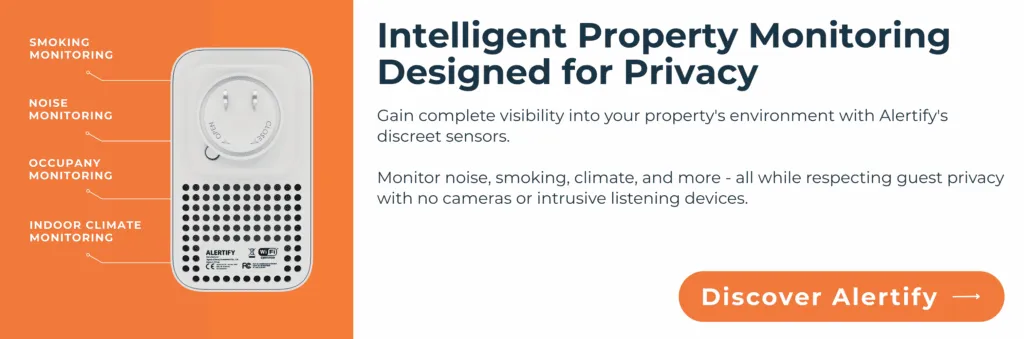
To maintain a peaceful and respectful community, it’s essential to have clear, objective data. Alertify’s privacy-safe noise monitoring solutions provide the tools you need to manage your property effectively and fairly.