
Table of contents
- The Urgency: Why Modern Detection Tools Are No Longer Optional
- What Gunshot Detection Systems Do (and, Critically, What They Don’t)
- Human-Centered Benefits: From Chaos to Calm Control
- Seamless Integration with Existing Emergency Systems
- Learning and Growth: Turning Post-Event Insights into Proactive Policies
- Real Stories: Schools Benefiting from Gunshot Alerts
- Take the Next Step Toward Peace of Mind
The morning bell rings. Sunlight streams through classroom windows, illuminating dust motes dancing in the air. In one room, a history teacher is explaining the nuances of the Peloponnesian War. Down the hall, kindergarteners are learning their letters, their laughter a bright, joyful sound. It’s a normal Tuesday. It’s a scene of learning, growth, and community. It is a sanctuary.
Then, a sound. Sharp, percussive, and utterly out of place echoes blare from the west wing.
In a scenario without modern safeguards, what follows is a cascade of chaos. Confusion turns to panic. Someone calls 911, but the information is fragmented. “I think I heard a gunshot.” “It came from near the gym… or maybe the library.” Precious seconds, then minutes, are lost to uncertainty. Teachers and students are left to guess, to hide, to hope.
Now, imagine a different unfolding. The same sharp sound pierces the air. But this time, less than a second later, the history teacher’s phone vibrates silently in his pocket. A discreet notification appears on his locked screen: GUNSHOT DETECTED. ROOM 204. INITIATE LOCKDOWN PROTOCOL. Simultaneously, the principal’s computer displays a map of the school with the incident location in the west wing. Law enforcement, automatically alerted by the same system, is already en route, not to the school’s general address, but to the precise location of the threat. There is no panic-inducing alarm bell, no shouting in the halls. There is only calm, decisive action. This is the reality made possible by gunshot detection in schools.
The unfortunate truth is that the need for such intuitive, life-saving school safety technology is more urgent than ever, especially when it comes to gunshot detection in schools. Preliminary data for the 2024-2025 school year reflects a continuation of a deeply troubling trend. According to an analysis by the Center for Homeland Defense and Security, incidents of gun violence on school grounds have remained alarmingly high, underscoring a systemic vulnerability. This guide is not about dwelling on fear but rather it’s about embracing empowerment. It is a comprehensive exploration of what gunshot detection systems do, why they are a critical component of modern school safety, and the profound peace of mind they deliver – all while respecting and upholding the privacy of every student and staff member.
The Urgency: Why Modern Detection Tools Are No Longer Optional
Every school administrator carries the immense weight of responsibility for the lives within their walls. For communities that have been touched by school gun violence, this weight is palpable and a constant presence long after the news crews have departed. These are not just about statistics they are stories of vibrant young lives, dedicated educators, and families forever altered. They are stories of communities like Parkland, Uvalde and Sandy Hook, Connecticut among countless others that have become unwilling symbols of a national crisis.
The fundamental challenge in any active shooter event is time. The traditional response model relies on human intervention. This would be the case of someone hearing the shot, recognizing it, finding a safe place to call for help, and clearly communicating the situation. This process is fraught with potential delays.
The Limitations of Reactive Systems
- Human Delay and Uncertainty: In a high-stress environment, the brain struggles to process events. Was that a firecracker? A book dropping? This hesitation, while completely natural, can cost lives. A study from the National Police Foundation found that the average active shooter event is over in minutes, often before law enforcement even arrives.
- Information Overload and Inaccuracy: When calls do come in, they are often panicked and contradictory. First responders may receive conflicting reports about the shooter’s location, leading to a slower, more cautious entry as they work to verify information.
- The Inadequacy of Traditional Alarms: Loud, blaring alarms can induce panic rather than guide a safe response. They signal a threat but provide no context or location, leaving teachers and students to make critical decisions with zero information. This can lead to tragic outcomes, such as evacuating into the path of a threat.
This is the critical gap where proactive technology must step in. Sensors specially made for gunshot detection in schools are designed to bridge that dangerous delta between the moment a shot is fired and the moment first responders are on the scene with accurate intelligence. It transforms the response from reactive to proactive.
The Sobering Data of 2024-2025
While official, year-end statistics are still being compiled, early reporting from organizations like Education Week and the K-12 School Shooting Database indicates that the frequency of incidents has not subsided. A preliminary brief for 2024 highlighted that in over 60% of documented on-campus shootings, the initial 911 call was delayed by more than a minute due to confusion and fear. Furthermore, the analysis revealed that law enforcement response times were reduced by an average of 3 to 5 minutes when they received immediate, precise location data from a detection system. In a situation where every second counts, those minutes are the difference between life and death. This data makes a clear case for investing in active shooter protection for schools that can rely on tools that automate the first, most critical step of an emergency response.
What Gunshot Detection Systems Do (and, Critically, What They Don’t)
When administrators first hear about gunshot detection systems, they often envision complex, invasive surveillance equipment. The reality is far more elegant, focused, and respectful of privacy. Modern systems are not about watching or listening but rather they are about one thing only and that is identifying the unique and signature sound of a gunshot and instantly transmitting actionable data. The focus is entirely on the outcome which is saving lives and restoring order.
Liberate Administrators from Guesswork with Instant, Silent Alerts
At its core, a gunshot detection sensor is an advanced device calibrated to distinguish the specific sound pressure, frequency, and pattern of a gunshot from all other loud noises. When a shot is detected, the system doesn’t sound a jarring alarm. Instead, it sends silent alerts for gunshots directly to a pre-determined list of recipients. This could include the principal, front office staff, district security coordinators, and on-site school resource officers. These silent alerts for school safety protocols rely on are delivered via SMS, push notifications to a mobile app, or alerts on a desktop dashboard. This silent approach is crucial as it avoids creating widespread panic and prevents the aggressor from knowing that their location has been compromised.
Imagine a principal receiving a quiet vibration on her watch. It reads: GUNSHOT. SCIENCE WING. HALLWAY B. She can immediately initiate lockdown procedures over the PA system with calm authority, armed with concrete information.
Deliver Precise Location Information for a Targeted Response
The most significant advantage of modern gunshot detection in schools is the location data. The sensors are placed strategically throughout a campus such as in hallways, cafeterias, libraries, and other common areas. When a sensor is triggered, it doesn’t just say, “there’s a threat.” It provides a specific location, often pinpointed on a digital map of the school. This high level of detail is a game-changer.
- For School Staff: A teacher in the arts wing knows the threat is contained in the science wing, two buildings away. Her response, locking down her classroom, is the same, but her emotional state is one of focused caution, not abject terror. This is the foundation of an effective student safety plan.
- For First Responders: Law enforcement isn’t just responding to “Central High School.” They are responding to “Central High School, Second Floor, Room 204.” They know exactly where to go, allowing them to bypass unaffected areas and move directly to neutralize the threat. They can establish a perimeter more effectively and plan their entry with tactical precision.
Expedite and Streamline Law Enforcement Coordination
Many advanced gunshot detection systems can be configured to alert law enforcement dispatch at the exact same moment they alert school staff. This direct line of communication shaves minutes off the response timeline by cutting out the intermediary step of a 911 call. The data sent to dispatch includes the school’s name, address, and the precise location of the shot. This instant and data-rich alert is one of the most powerful campus security tools available, ensuring that the responding officers have the highest quality intelligence from the very first second. This is the essence of effective emergency communications that schools need to implement.
Generate Actionable Post-Event Reports for Future Improvement
After a crisis is resolved, the work of healing and learning begins. A key feature of these systems is their ability to generate detailed post-event reports. These reports are not just logs but they are invaluable tools for analysis. They can show a timeline of events, map the locations of all detected shots, and provide a clear, factual record of the incident. This data is essential for debriefing with law enforcement, refining emergency plans, and using data to improve school security moving forward. It allows safety committees to identify potential vulnerabilities and make evidence-based decisions about future drills and protocols.
Uphold and Protect School Safety Privacy
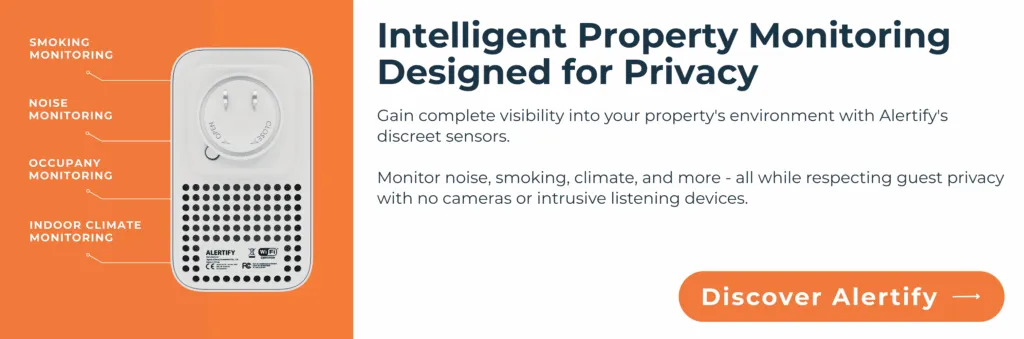
This is perhaps the most important and misunderstood aspect of gunshot detection. Sophisticated systems do not involve video cameras or microphones that are constantly recording. They are not surveillance tools. The sensors are “deaf” to conversations and “blind” to individuals. They are programmed to do one job which is to listen for the unique fingerprint of a gunshot.
They do not record audio. They do not store conversations. They do not use facial recognition. This privacy-first design is paramount for maintaining a trusted and positive learning environment. When communicating with parents and staff, the message is simple and reassuring: this is a safety device, not a surveillance device. It ensures that the conversation about security is grounded in protection, not monitoring, which is vital for maintaining trust and addressing concerns about school safety and privacy.
Human-Centered Benefits: From Chaos to Calm Control
While the technology is impressive, the true value of gunshot detection in schools is measured in human terms. It’s about replacing panic with procedure, chaos with confidence, and fear with a feeling of preparedness.
Calm & Confidence in Chaos
Consider the story of a middle school teacher, we’ll call her Mrs. Davis. During a lockdown drill last year, without a real-time alert system, she remembers the frantic uncertainty. Every loud noise in the hallway sent a jolt of anxiety through her. She spent the entire drill trying to keep her students quiet while her own heart pounded in her chest.
Now, her school has a silent alert system. During a recent lockdown, a silent emergency alert appeared on her phone, triggered by a non-violent but threatening event near the school. The alert confirmed the nature of the threat and that law enforcement was on the scene. Knowing what was happening and that the response was already underway changed everything. She was able to calmly and confidently direct her students to their safe corner, speaking in a measured tone. Her calm was infectious. The students, sensing her control, remained quiet and orderly. This is the cornerstone of an effective student safety protocol – empowering educators with information so they can lead with confidence, not fear.
Sharpened Response & Faster Help
Let’s follow the first responders in the scenario from our introduction. Two patrol cars are the first to arrive at the high school. Before implementing real-time threat alerts, their procedure would be to establish a perimeter and wait for reinforcements, attempting to gather intelligence from students fleeing the building.
With the gunshot detection alert, their entire approach shifts. The dispatch information, received directly from the system, tells them the shot was fired in Room 204. They see the digital floor plan and they know the fastest entry point to reach the west wing and can bypass the crowded main entrance. They move with speed and purpose, focused on a specific objective rather than clearing a massive, 200,000-square-foot building room by room. This precision saves time, contains the threat faster, and dramatically reduces the potential for additional casualties. The gunshot detection sensor acts as an invisible guide, leading help exactly where it’s needed most.
Building Trust & Reassurance with Privacy-First Technology
When the Northwood School District was considering installing a new security system, the board faced understandable questions from parents and teachers about privacy. “Are you going to be listening to our kids’ conversations?” one parent asked at a town hall. “I don’t want my classroom to feel like a prison,” a veteran teacher added.
The district’s safety coordinator was able to address these concerns head-on by choosing a system focused solely on gunshot detection. He explained, “This system has no microphones for recording and no cameras for watching. It can’t hear your name, and it can’t see your face. It has one function and that is to identify the sound of a gunshot. It’s a digital smoke sensor for a very specific type of fire.” This transparent communication about school safety and privacy was crucial. By emphasizing the non-invasive nature of the technology, the district built trust and consensus. Parents were reassured that safety was being enhanced without sacrificing the welcoming environment of the school.
Using Data to Improve School Security and Foster Healing
Six months after a traumatic event at a high school was successfully mitigated with the help of a gunshot detection system, the school’s safety committee convened. On the projector, they didn’t just have witness statements but rather they had a map provided by the system showing a timeline and the precise locations of the two shots that were fired.
The data provided undeniable insights. It showed the incident began near a side entrance with a known faulty lock. It also highlighted that the response from classrooms in the adjacent wing was five seconds slower than in other parts of the building. This wasn’t about placing blame, far from it, it was about learning. Using data to improve school security became their mantra. They immediately prioritized repairing the lock and scheduled additional lockdown drills specifically for the teachers in the adjacent wing. A school counselor also used the map to understand which students were closest to the event, allowing for more targeted outreach and mental health support. The data provided a path forward, transforming a traumatic event into an opportunity for reinforcement and healing.
Cultivating a Prepared, Positive School Safety Culture
Creating a safety-first culture for schools isn’t just about hardware; it’s about mindset. At one elementary school, the implementation of a silent alert system was part of a broader conversation about community safety. The principal, Ms. Albright, didn’t just announce the new technology. She held assemblies with staff to explain how it worked, emphasizing that it was a tool to help them feel more secure and empowered.
She sent newsletters to parents explaining the system’s privacy protections and how it allowed for a calmer, more controlled response. The result was a palpable sense of relief. Teachers felt more prepared, knowing they would receive clear instructions in a crisis. Students, while largely unaware of the technology itself, benefited from the increased confidence of their teachers. Parents felt reassured that the school was taking proactive, intelligent steps to protect their children. The technology became a silent, ever-present guardian, fostering a background of safety that allowed the true mission of the school to flourish. This is the ultimate goal: a school safety culture where preparedness provides peace of mind.
Seamless Integration with Existing Emergency Systems
A common concern for school districts is the fear of “technology bloat”. Adding yet another disparate system that doesn’t communicate with existing infrastructure. The most effective gunshot detection systems are designed to be team players. They integrate seamlessly with the emergency tools you already have in place, creating a unified and powerful response ecosystem.
Think of the gunshot detection sensor as the trigger for a well-orchestrated series of events. When an alert is generated, it doesn’t just go to phones and police dispatch. It can simultaneously:
- Activate PA Systems: The alert can automatically trigger administrators to send out a pre-recorded lockdown message over the school’s public address system, ensuring a consistent and clear directive is broadcast instantly.
- Lock Down the Campus: It can provide valuable time to automatically lock exterior doors, securing the building’s perimeter against entry or exit.
- Inform District-Level Command: The alert can be delivered to local enforcements, giving superintendents and safety directors immediate situational awareness.
Imagine the school’s administrative head, Mr. Chen. A silent alert for a gunshot appears on his desktop. As he’s absorbing the location information, the PA system is already announcing the lockdown. Law enforcement is already on the line, confirming they received the same alert and are two minutes out. This synchronized protocol is made easy with instant alert responses allowing for a reduction of human error and confusion. This level of integration is what transforms a collection of individual campus security tools into comprehensive emergency communication that schools can depend on in a crisis.
Learning and Growth: Turning Post-Event Insights into Proactive Policies
The value of a gunshot detection system extends far beyond the immediate moments of a crisis. The data it collects is a powerful resource for long-term safety planning and continuous improvement, embodying the principle of using data to improve school security.
Following any critical incident, from a false alarm to a real event, a thorough review is essential. The reports generated by the detection system provide an objective and data-driven foundation for these discussions.
Consider a post-incident debriefing session. The school safety team, along with first responders, gathers to review the event. On the screen is a map of the school with time-stamped icons showing where the shots were detected.
- Policy Refinement: The map might reveal that the incident occurred in a location not previously considered a high-risk area. This could lead to a re-evaluation of security camera placement or staff supervision schedules in that part of the campus.
- Drill Optimization: The timeline might show that classrooms in one wing initiated lockdown procedures significantly faster than another. This provides a clear and non-judgmental teaching opportunity, allowing administrators to identify where additional training and drills are needed.
- Building a Stronger School Safety Culture: Sharing this anonymized, factual data with the broader staff helps reinforce the importance of safety protocols. When teachers see a visual representation of how a rapid response makes a difference, it solidifies their buy-in and commitment to the school’s safety plan. This process of reflection and data-driven adjustment is the engine that drives a resilient and ever-improving school safety culture.
Real Stories: Schools Benefiting from Gunshot Alerts
Case Story 1: Preventing Chaotic Evacuation at a Suburban High School
A loud bang from the vocational tech wing sent a ripple of fear through a high school during a passing period. In the past, this would have triggered a panicked, uncoordinated evacuation, with students potentially running toward danger. However, the school’s new gunshot detection system immediately identified the sound as a backfiring engine from the auto shop, not a gunshot. No alert was sent. The front office, which saw the event logged as a non-threat on their dashboard, was able to make a quick PA announcement clarifying the source of the noise. A potential stampede was averted, and the school day continued with minimal disruption. The system’s intelligence prevented a massive overreaction, demonstrating its value in not just responding to threats but also in correctly identifying non-threats.
Case Story 2: Swift Scene Control at a K-8 Campus
During an after-school event, a dispute in the parking lot escalated, and a single shot was fired. The campus was sprawling, and pinpointing the sound’s origin would have been nearly impossible for witnesses inside the building. The school’s gunshot detection sensor, however, immediately placed the shot at the northeast corner of the parking lot. The silent alerts for gunshots sent to administrators and local police included this precise location. “We knew exactly where to go and, just as importantly, where to direct parents and students to safety, away from that area,” the principal later recounted. “There was none of that panicky confusion. The alert gave us instant control over the scene.” First responders arrived and secured the location within three minutes, a response time they credited directly to the accuracy of the alert. This is the power of effective active shooter protection schools can achieve.
Take the Next Step Toward Peace of Mind
Navigating the complexities of school safety is one of the most significant challenges facing educational leaders today. Equipping your campus with intelligent, reliable, and non-invasive technology is a powerful step toward creating a safer environment where students and educators can thrive.
Systems like Alertify are at the forefront of this mission, embodying the principles discussed in this guide. Alertify provides instantaneous, silent, and precise gunshot detection without the use of privacy-invading cameras or microphones. It delivers only the facts when they matter most, empowering your staff and first responders to act decisively and save lives. It’s not just a security product but rather a tangible symbol for commitment to a safe school culture and a new level of security and peace of mind to your school community.