
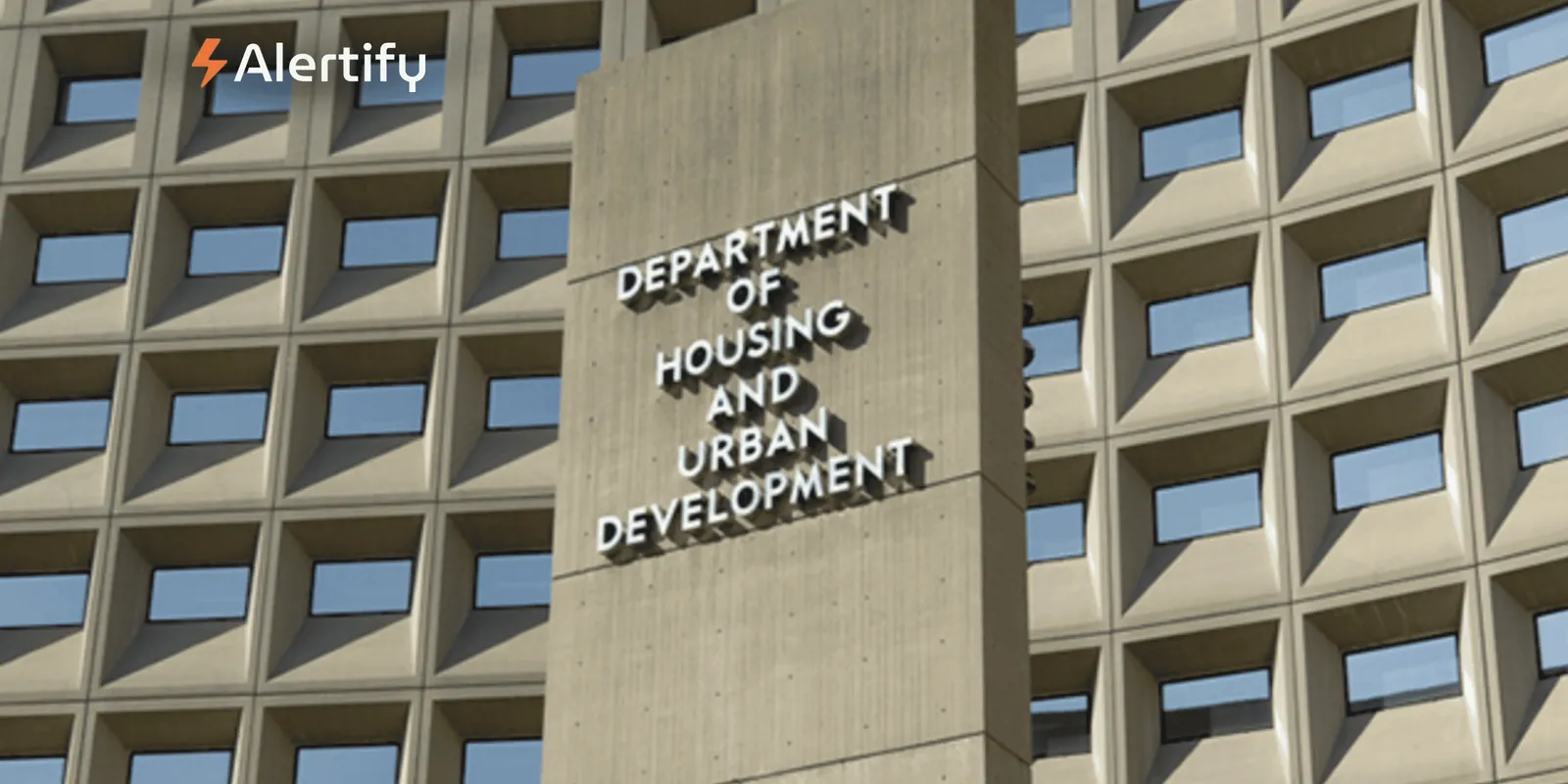
In the world of affordable housing, ensuring tenants enjoy a safe and livable environment is not just good practice—it’s a legal obligation. Property managers must adhere to numerous federal and local regulations, including those issued by the U.S. Department of Housing and Urban Development (HUD). One of the most persistent and challenging issues in these communities is excessive noise, which directly impacts tenant satisfaction, mental health, and even lease compliance.
Fortunately, modern technology like affordable housing noise monitors is changing the game. In this article, we explore how smart noise monitors help property managers meet HUD noise regulations for housing, protect tenant rights, and reduce legal liability.
Understanding HUD Noise Regulations for Housing
HUD places significant emphasis on the physical and psychological well-being of residents. Under HUD’s Environmental Standards (24 CFR Part 51, Subpart B), housing developments must meet acceptable noise levels—typically defined as a Day-Night Average Sound Level (DNL) of no more than 65 decibels.
While this standard often applies to environmental assessments during development, noise complaints from tenants—especially in multifamily and public housing—remain a core focus of ongoing compliance and tenant rights.
HUD’s Resident Rights and Responsibilities explicitly state that tenants have the right to peaceful enjoyment of their homes. Excessive, unaddressed noise can be considered a breach of this right, potentially opening housing providers to HUD complaints, local housing authority penalties, or even litigation.
Why Public Housing Tenant Rights Around Noise Matter
For many families living in Section 8 or other income-restricted units, home is more than just shelter—it’s a place to find stability. Yet, public housing tenant rights noise issues often go unreported or unresolved, especially in dense apartment buildings where complaints become difficult to verify or enforce.
This is where affordable housing noise monitoring steps in. Real-time, privacy-safe noise sensors like Alertify’s provide consistent, unbiased data that property managers can use to:
Intervene early in ongoing disturbances
Avoid tenant disputes escalating into formal complaints
Demonstrate good-faith enforcement of lease and HUD compliance standards
Moreover, with the legal framework requiring that all tenants be treated fairly, having objective data ensures that managers aren’t relying on anecdotal or biased reports to make enforcement decisions.
Local Noise Policies in Affordable Housing
In addition to HUD guidelines, many cities and counties have their own noise ordinances, particularly for multifamily housing. In New York City, for instance, residential noise is restricted to 42 decibels at night (measured inside a neighbor’s home). Other cities, like Denver and Los Angeles, have similar laws that limit disturbances between certain hours.
Property managers are often tasked with enforcing these local ordinances, yet without clear evidence, enforcement becomes nearly impossible. That’s why noise monitoring isn’t just a convenience—it’s a compliance tool. With time-stamped logs, automatic alerts, and tenant notification features, noise detection for Section 8 housing or other subsidized communities becomes far more manageable and transparent.
Case Study: Leveraging Technology to Meet Compliance
Consider a mid-sized housing authority in the Midwest managing multiple low-income apartment complexes. Prior to installing noise sensors, they received frequent complaints about loud music and disturbances after 10 p.m., resulting in five HUD tenant complaints over a three-month period.
After installing noise monitoring devices in common areas and high-complaint units:
Complaints dropped by 70% within two months.
Staff could verify and respond to violations in real time.
Tenant satisfaction scores increased in their annual HUD Resident Survey.
Most importantly, the property manager was able to provide HUD with documented enforcement actions, demonstrating adherence to compliance protocols and avoiding regulatory penalties.
Proactive Enforcement = Fewer Complaints
One of the most overlooked advantages of noise monitoring in affordable housing is its proactive nature. By receiving early warnings of elevated noise, managers can intervene before violations become chronic. Features like automated SMS or email alerts (sent directly to tenants) act as gentle reminders—helping to resolve 90% of issues without further action.
This type of engagement aligns with best practices in fair housing, promoting transparency and accountability without resorting to punitive or uneven enforcement. It also supports the goals of local housing authorities and HUD alike: safe, respectful communities with minimal turnover.
Legal Protection for Property Managers
Noise disputes, if mismanaged, can escalate into formal grievances or even legal claims under the Fair Housing Act. Tenants with disabilities (such as PTSD or sensory disorders) may be disproportionately affected by noise and can request reasonable accommodations.
Without clear, documented evidence of when and how noise issues were handled, property managers may struggle to defend their enforcement efforts. But with a digital trail of objective data, staff can demonstrate due diligence and reduce exposure to litigation or compliance violations.
Conclusion: Smart Monitoring Supports Smart Management
Noise may seem like a minor nuisance, but in affordable housing, it can quickly become a legal, operational, and financial risk. By investing in affordable housing noise monitoring systems like Alertify, property managers can ensure compliance with HUD noise regulations for housing, respect public housing tenant rights noise protections, and prevent tenant noise issues low-income apartments commonly face.
These tools aren’t just about enforcement—they’re about building better communities where tenants feel heard, protected, and more likely to renew their leases.
For a deeper dive into how affordable housing noise monitoring can help your team comply with HUD guidelines, reduce complaints, and create quieter, healthier housing for all. Visit our Complete Guide to Noise Monitoring in Affordable Housing to learn more.
Create calmer affordable housing
Want more Alertify? Follow us on: