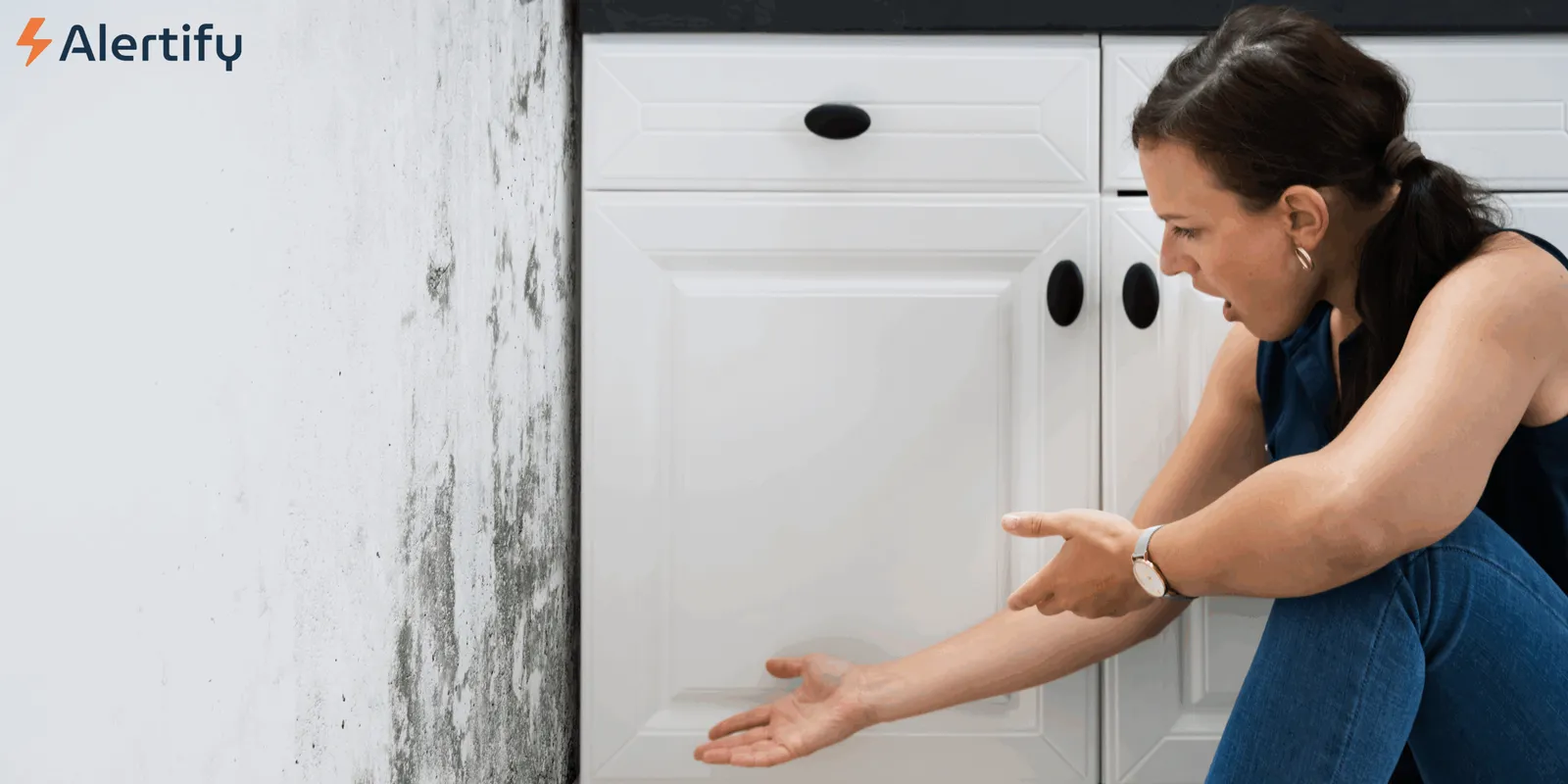
As a vacation rental owner, you operate in a world of hospitality and five-star reviews, but it’s also a business with significant legal responsibilities. One of the most serious risks you face is the potential for host liability for mold exposure. If a guest claims they became ill due to mold in your property, the consequences can be severe. Understanding your legal obligations is not just about avoiding lawsuits; it’s about upholding a fundamental duty of care. This guide will break down the key liabilities you face and the proactive steps you must take to protect your guests, your investment, and your business.
The Legal Foundation: “Duty of Care” and “Habitability”
While specific landlord-tenant laws can vary, a universal legal principle applies to all forms of accommodation: the “duty of care.” This means you have a legal obligation to ensure your property is reasonably safe for your guests. A key part of this is the “implied warranty of habitability,” which asserts that a rental property must be fit for human living.
A significant mold infestation can be legally considered a breach of this warranty. The presence of toxigenic mold can render a property “uninhabitable,” giving a guest legal grounds to seek damages. This principle is central to ensuring guest safety in vacation rentals.
Host Liability for Mold Exposure: The Financial Risks
When a host breaches their duty of care, the financial fallout can be substantial. The risks are not just theoretical; they can lead to costly legal battles.
Personal Injury Claims
This is the most serious risk. If a guest can provide medical evidence linking a health issue (such as a severe respiratory infection or allergic reaction) to mold exposure during their stay at your property, they may file a personal injury lawsuit. These claims can seek compensation for:
- Medical bills and treatment costs.
- Lost wages if they were unable to work.
- Pain and suffering.
Property Damage and Relocation Costs
Beyond health claims, you could be held liable for other costs. If a guest’s belongings, like expensive luggage or clothing, are damaged by mold or dampness, they may seek reimbursement. Furthermore, if the property is deemed uninhabitable, you will be responsible for the cost of their alternate accommodation, in addition to refunding their stay.
The Insurance Gap
Many hosts assume their insurance will cover them. However, most standard short-term rental insurance policies have significant limitations or exclusions for mold-related claims, especially if the mold is found to be the result of gradual damage or poor maintenance. You may be left to cover legal fees and settlements out of your own pocket.
Proactive Steps to Mitigate Your Legal Risk
Your best defense against liability is a proactive, well-documented maintenance and prevention strategy.
Document Everything: Your Best Defense
In any dispute, documentation is your strongest ally. Keep meticulous records of:
- Regular property inspections (using a checklist).
- All plumbing repairs and roof maintenance.
- Professional cleaning schedules.
- Any proactive measures taken, such as the installation of dehumidifiers or ventilation fans. This paper trail demonstrates that you are a diligent and responsible host. It is a cornerstone of responsible mold detection in vacation rentals.
Understand Mold Disclosure Rules
In many regions, there are laws regarding mold disclosure rental property owners must follow. Even if not legally required, it’s a best practice to be transparent about any past mold issues that have been fully and professionally remediated. This builds trust and can reduce liability.
Proactive Prevention: Your Best Legal Defense
Understanding your legal liabilities isn’t about fear; it’s about professionalism. By taking your duty of care seriously, you protect your guests and, in turn, your business. A robust prevention strategy is your best legal and financial shield.
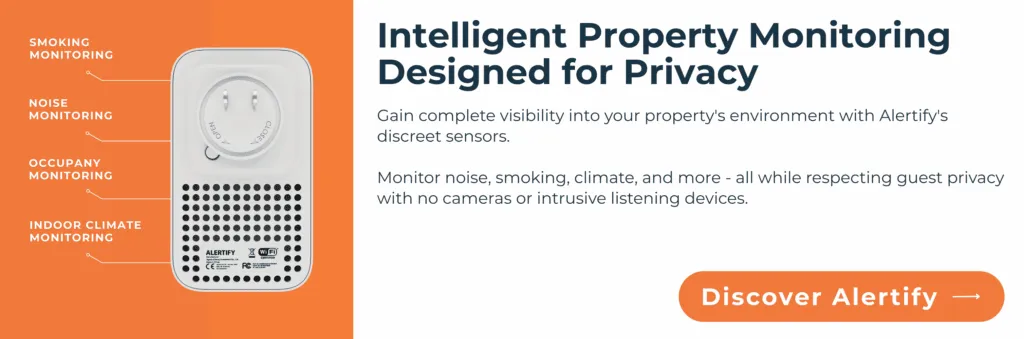
Reducing liability is about minimizing risk. Alertify’s smart sensors provide a 24/7 data log of the humidity levels in your property, offering powerful, documented proof that you are proactively maintaining a safe and healthy environment.