
Introduction: Why Public Housing Conditions Need Smarter Solutions
Public housing serves more than 2 million low-income families in the United States. But as demand outpaces funding, many Public Housing Authorities (PHAs) and local governments are left scrambling to maintain livable conditions amid aging infrastructure, limited budgets, and tenant concerns that often go unresolved.
Among the most common and under-addressed challenges? Noise disturbances, indoor smoking violations, and lack of responsive enforcement.
In an era where tenants expect healthier, quieter, and safer living environments—and where regulators are tightening their expectations—smart monitoring technology offers a practical, cost-effective path toward improving public housing conditions and tenant satisfaction.
This article explores how PHAs and municipalities can integrate smart monitoring as part of their broader public housing improvement strategies, helping to ensure fair enforcement, reduce tenant conflict, and strengthen long-term community outcomes.
The State of Public Housing: Challenges Beyond Bricks and Mortar
According to the National Low Income Housing Coalition, the U.S. faces a shortage of more than 7 million affordable and available rental homes for extremely low-income renters. But housing scarcity is only part of the problem.
Once tenants move in, the quality of life inside public housing is often compromised by environmental factors like secondhand smoke and chronic noise—conditions that exacerbate health disparities, lower tenant satisfaction, and increase resident turnover.
A HUD Quality Assurance Report notes that tenant complaints about smoking, noise, and safety are among the most commonly reported but also the hardest to verify and resolve. Without documentation or objective data, housing authorities are limited in their ability to enforce lease terms fairly and effectively.
Why Smart Monitoring Belongs in Every Public Housing Strategy
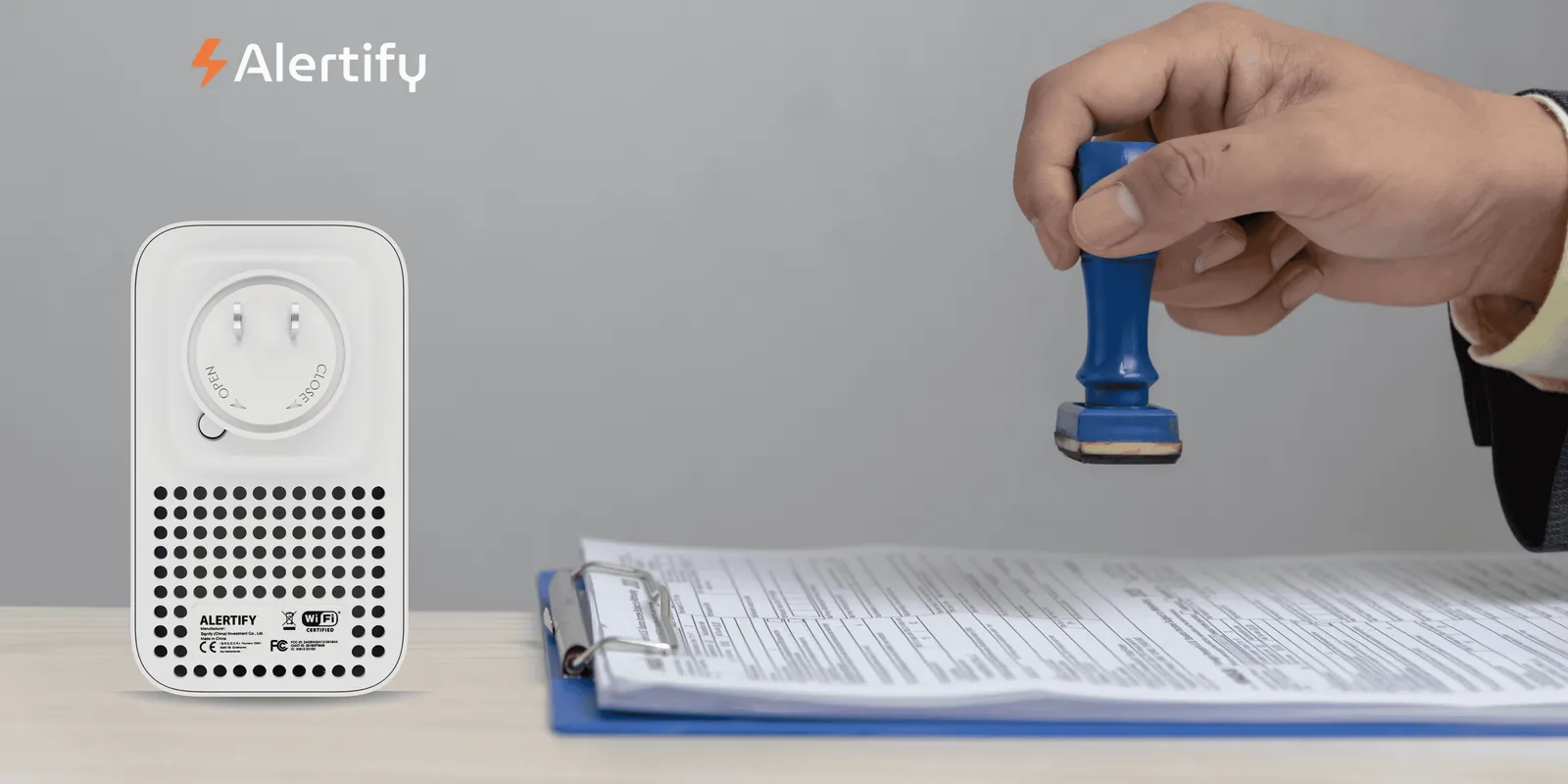
Smart monitoring refers to the use of technology—such as sensors and cloud-connected platforms—to track environmental conditions inside units and common areas. Solutions like Alertify’s affordable housing noise monitor use non-invasive devices to monitor:
Noise levels (without recording sound)
Smoking or vaping events
Air quality and environmental anomalies
For PHAs and local governments pursuing public housing improvement strategies, these tools are essential for:
Objective documentation of rule violations
Faster response to tenant complaints
Healthier environments that support long-term resident well-being
Compliance with no-smoking regulations such as HUD’s 2018 smoke-free policy
Real-Time Monitoring Leads to Real-Time Solutions
Unlike traditional inspections or tenant reports, smart monitoring provides continuous, real-time data. This enables housing authorities to intervene proactively—before complaints escalate into disputes or legal challenges.
For example, when noise levels exceed acceptable thresholds, Alertify sends an automated alert to staff or even a gentle reminder to the resident, often resolving the issue without the need for confrontation.
Smart Monitoring Supports Compliance with HUD and Local Laws
In 2018, HUD implemented a nationwide smoke-free rule for public housing, requiring all federally funded housing properties to ban smoking indoors and within 25 feet of buildings. This policy was intended to reduce health risks, lower fire hazards, and improve indoor air quality.
Yet many PHAs struggle with enforcement, especially when smoking occurs intermittently or tenants deny violations.
Smart smoking detection tools like Alertify help fill this gap. By capturing time-stamped environmental changes—without recording any audio or video—property managers gain the documentation they need to enforce policies fairly and in compliance with tenant rights.
This same principle can apply to noise complaints, which frequently lead to conflict among tenants. By offering clear, unbiased evidence, smart sensors reduce the burden on management and prevent subjective or retaliatory complaints.
Case Study: Reducing Smoking and Noise Violations with Alertify
One mid-sized housing authority in the Midwest implemented Alertify in 80 of its most complaint-prone units. Over six months, they reported:
A 67% drop in repeat noise complaints
100% resolution of smoking violations without needing to evict any tenants
A notable improvement in staff satisfaction, due to fewer escalations and less time spent mediating tenant conflicts
Positive tenant feedback in follow-up surveys, with residents noting improved air quality and a quieter living environment
This model proves that smart monitoring isn’t just for luxury buildings—it’s a powerful tool for improving public housing across income levels.
Improving Tenant Satisfaction in Affordable Housing
Public housing isn’t just about shelter—it’s about providing stability, dignity, and safety. Yet even when basic needs are met, issues like secondhand smoke and disruptive noise can make a unit unlivable.
Tenant satisfaction in affordable housing is directly tied to perceived safety and comfort. In a survey by Enterprise Community Partners, over 40% of low-income tenants said they considered moving due to noise or air quality concerns.
By addressing these issues proactively, PHAs can:
Reduce tenant turnover
Minimize legal disputes or fair housing complaints
Build stronger relationships between residents and staff
Create a healthier environment for seniors, children, and vulnerable tenants
Budget-Conscious and Scalable Solutions
Smart monitoring in public housing doesn’t need to be expensive. Alertify is purpose-built for affordable housing and designed to fit into tight public budgets. Features include:
Scalable pricing models
Non-invasive, privacy-safe sensors
Cloud-based dashboards for centralized monitoring
API integrations with property management tools
Comprehensive support and onboarding for staff
This makes it easier for housing authorities to roll out the technology in phases, starting with high-priority buildings or high-complaint units.
Conclusion: Better Tools for Better Housing
Improving public housing conditions doesn’t always require major renovations or costly overhauls. Sometimes, it starts with smarter insights.
By embracing smart monitoring in public housing, local governments and PHAs can enforce policies more fairly, resolve complaints more efficiently, and protect their tenants’ health and peace of mind.
Tools like Alertify offer a clear, affordable pathway toward modernizing property management, improving tenant satisfaction, and delivering on the promise of safe, dignified housing for all.
View our post Complete Guide to Smoking Detection in Affordable Housing for actionable strategies on affordable housing smoking detection.
Want to see how smoking and noise monitoring can work in your community?
Want more Alertify? Follow us on: