
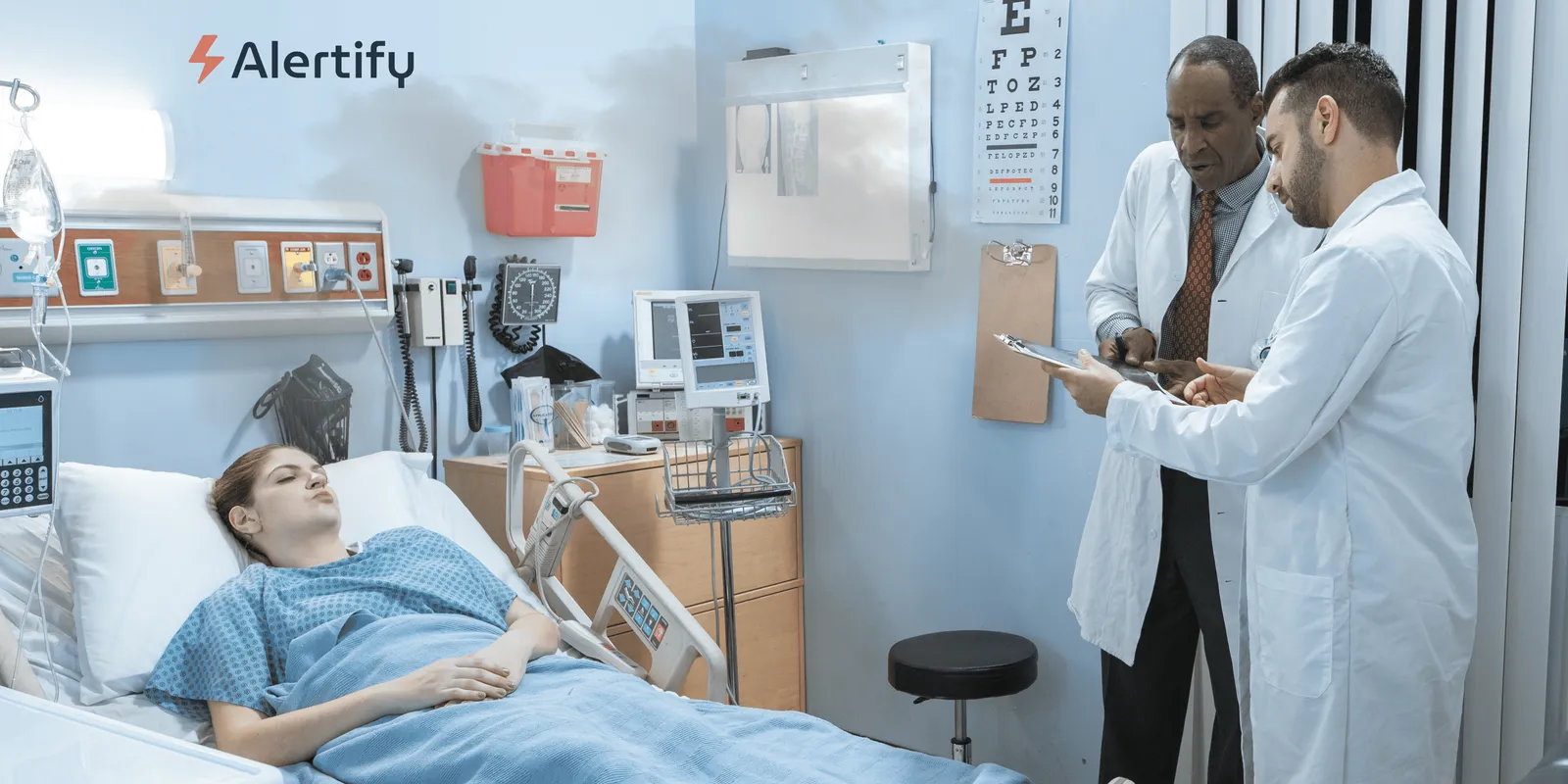
In healthcare environments, air quality is not just a comfort issue—it’s a critical factor influencing clinical outcomes. With patients often in vulnerable states, exposure to airborne pollutants, pathogens, and irritants can significantly hinder recovery and even increase the risk of hospital-acquired infections (HAIs). In this post, we explore why hospital air quality monitoring is vital for safeguarding patient health, reducing infection rates, and meeting compliance standards.
Why Air Quality Matters in Hospitals
The air in hospitals circulates through a wide variety of spaces: operating rooms, patient recovery wards, ICUs, waiting areas, and more. Each of these environments demands a strict level of cleanliness and air purity.
Hospitals host immunocompromised individuals who are particularly susceptible to airborne contaminants. Poor ventilation, chemical off-gassing from building materials, and inadequate filtration can all introduce or exacerbate respiratory and infectious complications.
According to the World Health Organization, poor indoor air quality (IAQ) in healthcare settings has been linked to:
- Increased risk of respiratory illnesses
- Aggravated asthma and allergies
- Elevated infection rates due to airborne pathogens
Hospital Air Quality Monitoring: Why It’s Essential
1. Infection Control in Critical EnvironmentsPathogens such as MRSA, C. difficile, and various viruses can be transmitted through air, especially in closed or poorly ventilated areas. Monitoring particulate levels and maintaining HEPA-level filtration systems can significantly lower the risk of airborne pathogen transmission.
A study published in the American Journal of Infection Control found that improving air filtration in patient rooms led to a 40% reduction in airborne infectious particles.
2. Supporting Recovery for Respiratory PatientsPatients with chronic conditions like COPD, asthma, and cardiovascular disease are highly sensitive to changes in air quality. High concentrations of volatile organic compounds (VOCs), fine particulates (PM2.5), or nitrogen dioxide (NO2) can worsen symptoms and slow recovery.
Implementing real-time air quality monitoring allows facilities to adjust HVAC performance based on current air purity conditions.
3. Identifying Smoking & Vaping ViolationsDespite no-smoking policies, hospitals still encounter patients and visitors who smoke or vape in restricted areas. This can severely compromise air quality and violate health codes. Smart detection systems like Alertify can immediately identify the presence of smoke or vape aerosols, enabling staff to act quickly and maintain a safe, compliant environment.
Airborne Pollution and Hospital-Associated Infections (HAIs)
HAIs are a major concern in hospitals and account for approximately 1 in 31 hospital patients, according to the CDC. Many of these infections stem from environmental conditions, and air is a key vector for bacteria and viruses.
Unmonitored or poorly controlled air conditions can lead to:
- Higher ICU infection rates
- Extended patient stays
- Increased readmission rates
Hospitals that invest in air monitoring technology have seen measurable reductions in these costly outcomes.
Regulatory Pressures & Compliance
Regulatory bodies such as The Joint Commission and the Centers for Medicare and Medicaid Services (CMS) place a strong emphasis on environmental safety. Poor air quality can lead to compliance violations, fines, or loss of accreditation.
Moreover, HCAHPS (Hospital Consumer Assessment of Healthcare Providers and Systems) surveys often reflect environmental comfort, including perceptions of air freshness, temperature, and cleanliness. High scores on these surveys are crucial for securing full reimbursement from CMS.
Case in Point: Smart Monitoring with Alertify
Alertify’s real-time air quality monitoring tools provide hospitals with a comprehensive view of airborne contaminants, particulate levels, and possible smoke or vape exposure. By integrating this data with building systems, hospitals can:
- Automate HVAC adjustments
- Respond faster to air pollution hospital risks
- Document compliance with air quality standards
- Prevent patient complaints and boost HCAHPS scores
The Future of Hospital Air Quality Management
As hospital infrastructure becomes smarter, air quality monitoring will play an even larger role in facility operations and patient care. Real-time dashboards, predictive analytics, and automated alerts ensure proactive rather than reactive management.
Healthcare providers can no longer afford to treat air quality as a background issue. From patient comfort to infection control, it’s central to outcomes, satisfaction, and operational efficiency.
Final Thoughts
Maintaining excellent air quality isn’t just a regulatory requirement—it’s a patient care imperative. With tools like Alertify, hospitals can go beyond reactive measures and create healthier environments through proactive, data-driven air quality management.
To learn more on hospital smoking detection, visit our pillar guide: A Guide to Air Quality & Smoking Detection in Hospitals.
Improve patient recovery and infection rates
Want more Alertify? Follow us on: