
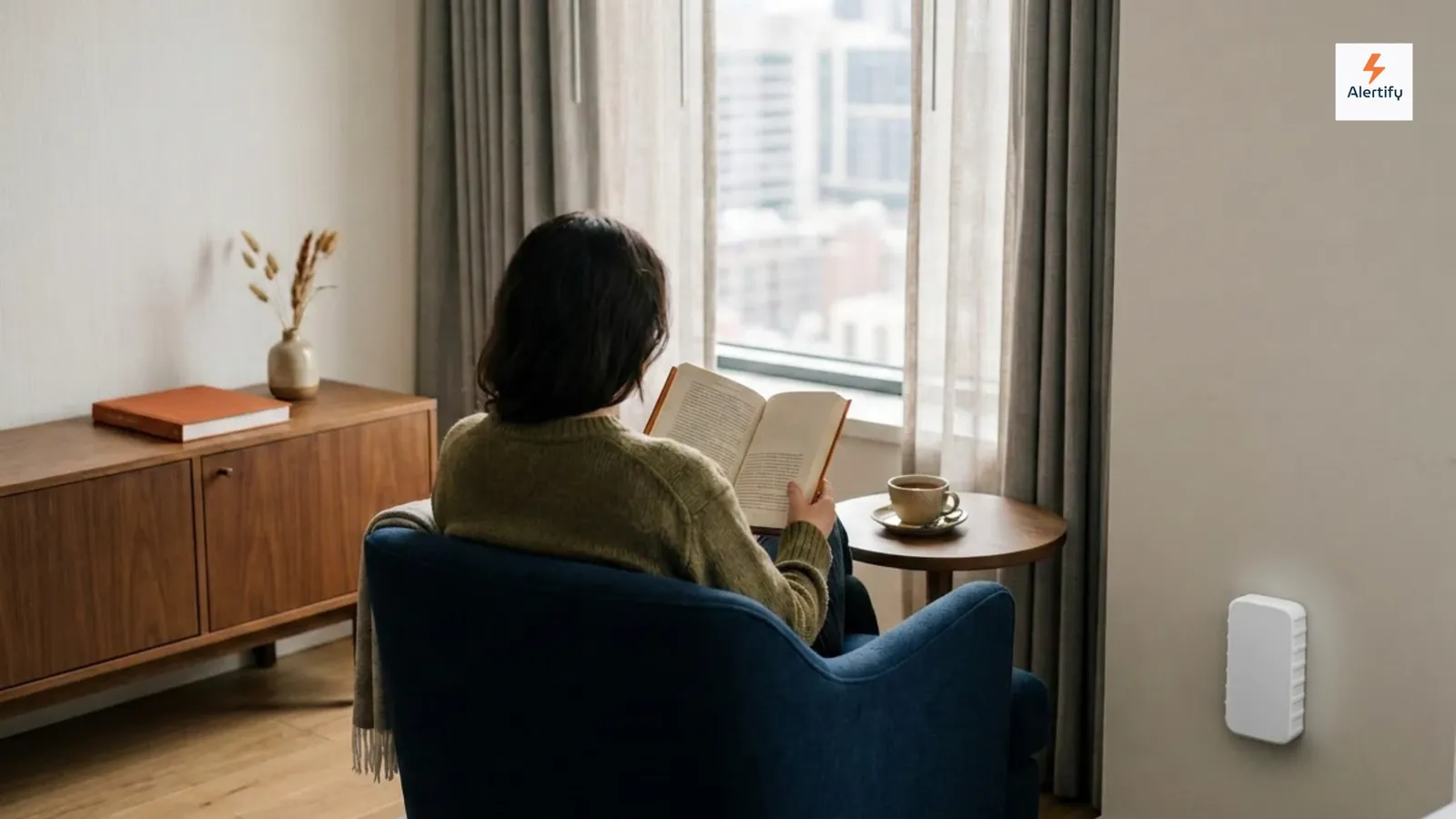
A guest room is the most private space a hotel offers. It is where travelers sleep, change, take calls, and let their guard down, so any technology placed inside it has to earn their trust. Hotel room monitoring without cameras answers a question many operators have wrestled with: how do you protect rooms from smoking, noise, and unauthorized gatherings without making guests feel watched? The answer lies in measuring the environment rather than the people in it. This guide explains why privacy has to come first, what privacy-safe sensors actually measure, and how to communicate monitoring so it builds confidence instead of concern.
Why Guest Privacy in Hotels Has to Come First
Travelers Are Watching for Surveillance
Travelers are more alert to in-room recording than ever. In one survey of U.S. travelers, 58% said they worried about hidden cameras in rental properties, and a quarter reported having found a recording device. While that research focused on vacation rentals, the concern travels with guests wherever they stay.
The Reputational Stakes
For hotels, the risk is reputational as much as legal. A single social media post suggesting that a property records guests can undo years of brand building. Even legitimate technology can create unease if it looks like a camera or if staff cannot explain what it does.
A Clear Standard to Work From
The design of in-room monitoring matters as much as its capability. The right standard is simple: a device should be able to tell you that a problem is happening without being able to tell you anything about who the guest is or what they are saying. When that standard is met, monitoring becomes something a hotel can disclose openly rather than something it hopes guests will not notice.
How Hotel Room Monitoring Without Cameras Works
What the Sensors Measure
Alertify was built around that standard. Its in-room devices contain no cameras and no microphones. They measure air conditions and sound levels, then turn those readings into timestamped alerts. This is the foundation of Alertify’s approach to smoke monitoring for hotels, and it extends across several conditions:
- Smoke: smoking monitoring identifies cigarette, vape, and marijuana smoke by its chemical signature in the air.
- Sound: noise monitoring reads decibel levels only. It registers that a room is loud, never what is being said.
- Gatherings: occupancy monitoring helps flag when a room appears to hold more people than booked, without identifying anyone. Our buyer’s guide to hotel occupancy sensors that aren’t cameras compares the options.
- Comfort: the AQI+ tier adds air quality, temperature, humidity, and mold risk readings.
What Never Gets Captured
The data that reaches your dashboard is a set of numbers and timestamps: when smoke was identified, how high particle levels rose, and when the air cleared. There is no recording to review because none is ever made. Tamper alerts also notify your team if a device is covered or unplugged, so protection stays consistent without anyone entering the room.
Why This Matters for Compliance
Privacy-compliant hotel sensors make it far simpler to meet local disclosure expectations, because there is no audio or video to store, secure, or explain. Disclosure requirements still vary by jurisdiction, so confirm local rules with your legal team. Our hotelier’s guide to guest data privacy laws is a helpful starting point.
Communicating Monitoring to Guests with Confidence
Use Plain Language
Transparency turns monitoring from a potential worry into a reassurance. A short disclosure works best, for example: “Rooms include environmental sensors that measure air quality and sound levels to keep every stay smoke-free and quiet. They do not record audio or video.”
Place It Where Guests Already Look
Include that message in booking terms, confirmation emails, and pre-arrival communications. A branded pre-stay check-in through WelcomeLink lets guests read and sign house rules before arrival.
Prepare Your Team for Guest Questions
Some guests will spot the device and ask about it, so make sure everyone at the front desk can explain it in one clear sentence. A simple answer works: it measures air quality and sound levels to keep rooms smoke-free and quiet, and it cannot see or hear anything. Housekeeping and security teams should know the same answer, because guests often ask whoever is nearest. A confident, consistent response turns a moment of curiosity into reassurance, and it shows guests that the hotel has thought carefully about their privacy rather than leaving them to wonder.
Keep Alerts Courteous
The tone of in-stay messages matters too. Guest Alert sends a polite, on-brand reminder when a threshold is crossed, which feels like a courtesy rather than surveillance and keeps no-smoking policy enforcement free of confrontation.
Protection Guests Never Have to Think About
The best in-room technology is the kind guests forget is there. Privacy-safe sensors let a hotel uphold its smoke-free and quiet-hours promises while respecting the most basic expectation a guest brings to a room: that it is theirs for the night.
If you would like to see exactly what Alertify measures and how alerts reach your team, book a demo and we will walk you through it.
Frequently Asked Questions
Can hotels monitor rooms without cameras?
Yes. Privacy-safe sensors measure the environment rather than the people in it: smoke in the air, decibel levels and signs of over-occupancy. They turn those readings into timestamped alerts without recording audio or video, so nothing about who the guest is or what they say is captured.
Do hotel room sensors record conversations?
Alertify devices do not. They contain no microphones and no cameras. Noise monitoring reads decibel levels only, so it registers that a room is loud, never what is being said. There is no recording to store or review because none is ever made.
Should hotels tell guests about in-room monitoring?
Yes. A short, plain-language disclosure in booking terms, confirmation emails and pre-arrival messages builds trust. Explain that sensors measure air quality and sound levels to keep stays smoke-free and quiet, and that they never record audio or video. Confirm local disclosure rules with your legal team.