
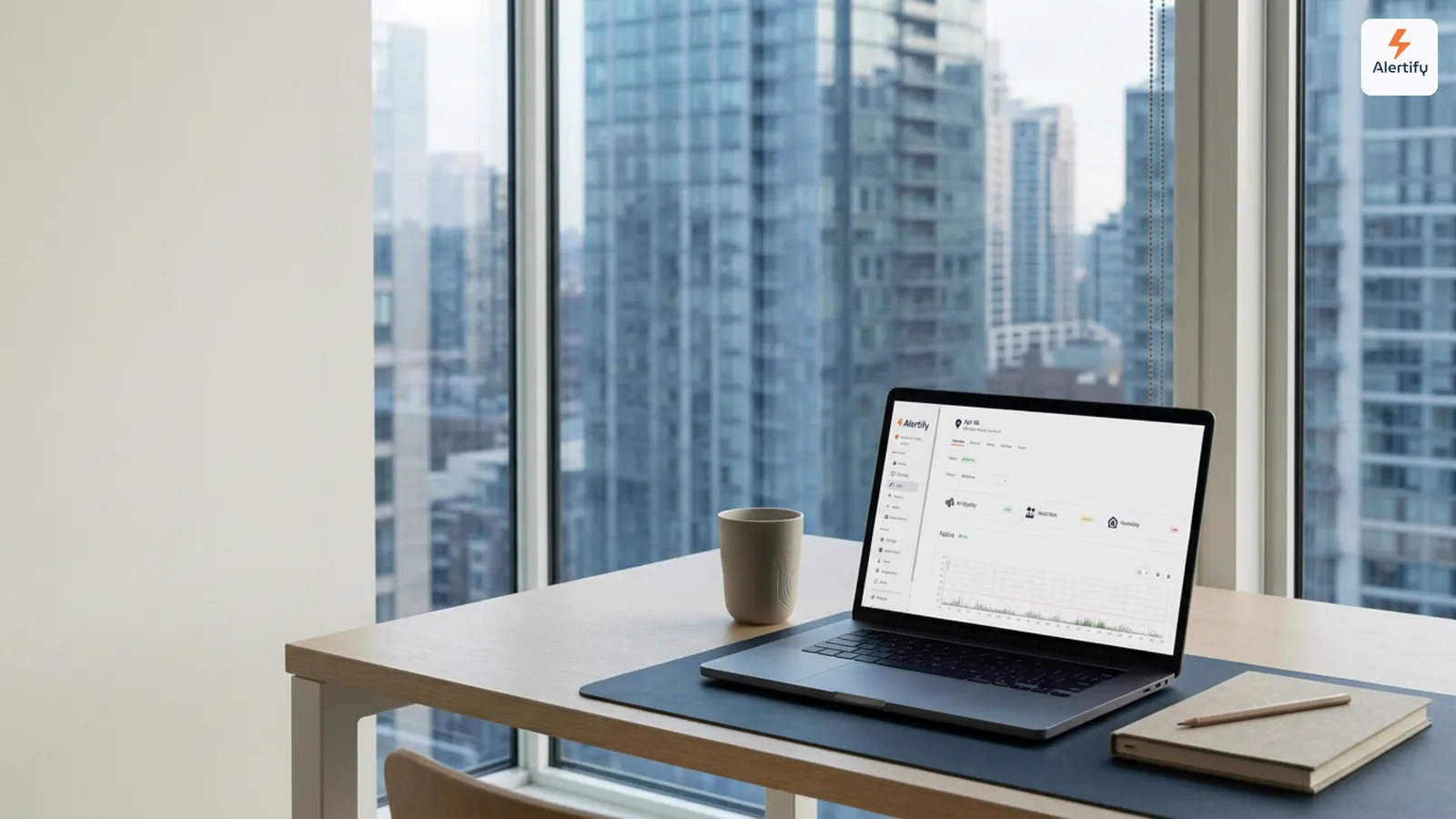
Distance does not create new problems at a rental property. It lengthens the feedback loop on every problem that already exists, and a slow feedback loop is what turns a correctable issue into an expensive one. A noise complaint you hear about the same night costs a text message. The same complaint reaching you three weeks later, after the neighbor has gone to the HOA, costs considerably more.
Out of state landlord property monitoring is the substitute for the drive-by you cannot do. It is not a full replacement for a local presence, and treating it as one is the mistake most remote owners make. Used properly, it covers the specific things that go wrong quietly, which is also the heart of noise control for single-family rentals when nobody is nearby to notice.
What Distance Actually Costs You
Most single-family rentals are not professionally managed. HUD and the Census Bureau's 2021 Rental Housing Finance Survey found that about 22 percent of small rental properties with one to four units are managed professionally, and roughly 70 percent of rental properties are owned by individual investors. A large share of detached rentals are therefore run directly by an owner, and a meaningful number of those owners live somewhere else.
The gaps are consistent. There is no drive-by, so nothing gets noticed in passing. There is no relationship with the neighbors, so complaints go to the city or the HOA instead of to you. Every verification carries a cost, whether that is a flight, a contractor callout, or a property manager's hourly rate, which means small questions go unanswered until they become large ones.
The behavioral result is worse than the logistical one. Owners without information swing between overreacting to a single complaint and dismissing several, because they have no way to judge severity. One weekend of loud music from a tenant who has been quiet for a year and one weekend from a tenant who has been loud since March look identical from another state, and they call for completely different responses.
Long distance rental management works when you replace judgment calls with a record.
Out of State Landlord Property Monitoring in Practice
Remote rental property oversight comes down to knowing three things without being there: how the property sounds, how many people are in it, and what condition it is in.
Alertify covers all three from a single plug-in device. Noise monitoring measures decibel levels against thresholds you configure and alerts you in real time when they are exceeded. Occupancy monitoring flags activity beyond what the tenancy should produce. Indoor climate tracking reports temperature and humidity, including mold risk conditions that develop silently between inspections. Tamper alerts tell you if somebody unplugs the device, and a backup battery keeps the record intact through a power interruption.
The privacy position is what makes this workable with long-term tenants. No cameras, no microphones, no audio recording. The device reports levels and conditions, never content, and disclosing it at signing removes almost all objection to it.
Two constraints to plan around. Coverage runs to roughly 800 square feet per device, so a three-bedroom house with a finished basement usually needs more than one for a reliable picture. And setup requires somebody physically at the property, so schedule installation into a turnover, an inspection, or a contractor visit rather than assuming it can happen remotely.
Building a Remote Response Plan
An alert is only useful if somebody can act on it. Decide the response order before you need it.
The tenant comes first in nearly every case. A short, factual message about levels and timing resolves most incidents without anybody traveling anywhere. Alertify's own data shows 90 percent of noise violations resolve automatically within 10 minutes once the occupant is notified.
Behind the tenant, keep a local contact who can physically attend: a property manager, a trusted handyman, or an agent you pay per visit. Keep a contractor list for anything structural or mechanical. Keep the numbers current, and review them at every lease renewal rather than at the moment you need them.
Give the neighbors a direct line to you. Remote owners who introduce themselves and provide a phone number find that complaints come to them first instead of to the city, which is worth more than any single piece of technology.
Standardize across properties if you own several. The same thresholds, the same first-contact wording, and the same escalation timeline mean you are not inventing a response at midnight, and consistent enforcement across a portfolio is far easier to defend than case-by-case decisions.
Distance Stops Being the Problem
Remote ownership fails on information, not on effort. Put a measurement layer in place, decide in advance who responds and in what order, and the gap between an incident and your awareness of it closes from weeks to minutes.
See what remote oversight looks like on a live property. Book a demo and we will walk you through alerts, thresholds, and the dashboard view from wherever you are.
Frequently Asked Questions
How can an out-of-state landlord monitor a rental property?
With a privacy-safe plug-in sensor covering three things: noise levels against your thresholds, occupancy beyond what the tenancy should produce, and indoor climate including temperature, humidity and mold-risk conditions. Real-time alerts replace the drive-by, and tamper alerts and a backup battery keep the record intact.
Can monitoring devices be installed remotely?
No. Setup requires somebody physically at the property, so schedule installation into a turnover, an inspection or a contractor visit. Plan coverage too: each device covers roughly 800 square feet, so a three-bedroom house with a finished basement usually needs more than one.
Who should respond to an alert at a remote rental?
Decide the order in advance. Contact the tenant first, since a short factual message resolves most incidents. Behind them, keep a local contact who can attend in person and a contractor list for anything physical. Give neighbors your number so complaints reach you before the city.