When we think of mold in a hotel, we often picture visible black spots on a bathroom ceiling or grime in the shower grout. While these are unsightly, they are usually surface-level issues that can be scrubbed away with industrial cleaners. The real danger – the threat that can condemn a building, void insurance policies, and cause millions in structural damage – lurks where housekeeping cannot see: behind the walls, under the carpets, and inside the design elements themselves.
Modern hotel design often inadvertently creates the perfect incubators for mold. From high-end aesthetics involving heavy wall coverings to energy-efficient renovations that seal buildings too tightly, the choices made during construction and design can lead to “Sick Building Syndrome” in hotels if not monitored constantly. Consequently, the strategy for mold detection in hotels must evolve from reactive cleaning to proactive structural monitoring.
The “Vinyl Trap”: A Design Disaster
One of the most common culprits in hospitality mold issues is the widespread use of vinyl wallpaper. Vinyl is popular in the hospitality sector because it is durable, scrubbable, and offers a premium look that paint often cannot achieve. However, in humid climates – or even in temperate climates during humid seasons – it acts as a non-breathable vapor barrier.
How the Trap Works
Moisture from the humid outdoors naturally migrates into the wall cavity. This happens through microscopic cracks in exterior stucco, unsealed electrical outlets, or aging window seals. This process is driven by vapor pressure, moving from warm/humid areas to cool/dry areas. When this warm, moist air hits the back of the cool, air-conditioned drywall inside the guest room, it hits the “Dew Point” and condenses into liquid water.
In a painted room, this moisture might evaporate into the air-conditioned space. But because the vinyl wallpaper blocks evaporation, that water becomes trapped between the drywall and the paper. It creates a dark, wet, stagnant micro-climate. Mold begins to devour the paper backing of the drywall and the starch in the wallpaper glue. You won’t see a single spore for months. By the time the wallpaper starts to bubble or turn pink, the drywall underneath is mush, and the wooden studs may already be rotting.
The Problem with PTAC Units and Micro-Climates
Another often-overlooked design flaw involves the use of PTAC (Packaged Terminal Air Conditioner) units, common in mid-scale properties. These units are installed directly through the wall, creating a significant bridge between the outdoor and indoor environments.
If not perfectly sealed during construction, the gap between the PTAC sleeve and the wall becomes a highway for moisture infiltration. Furthermore, because these units often blow cold air directly onto nearby curtains or carpet, they create localized “micro-climates” of high condensation. A room might read as 72°F globally, but the carpet three feet from the PTAC might be damp and cold – perfect for mold growth. Without granular monitoring, these specific danger zones go unnoticed until the smell becomes undeniable.
Carpet Over Concrete: The Ground-Floor Risk
Another hidden danger zone lies beneath the feet of your guests. In ground-floor units or basements, carpeting is often installed directly over concrete slabs. Concrete is porous; it naturally wicks moisture from the ground through capillary action.
If the carpet backing gets damp, it acts as an insulator, trapping the moisture in the concrete. This creates a fungal garden under the carpet pad. The room will perpetually smell musty, leading to guest complaints, yet housekeeping will find no visible source of the odor because the mold is growing under the pad, not on the fibers. This structural flaw requires constant humidity tracking to ensure the slab remains dry enough to support soft flooring.
The Solution: “X-Ray Vision” with Alertify
Because these dangers are hidden behind walls, under floors, and inside mechanical sleeves, visual inspections are useless until the damage is catastrophic. You cannot tear back wallpaper every week to check for mold. You need a way to see the invisible.
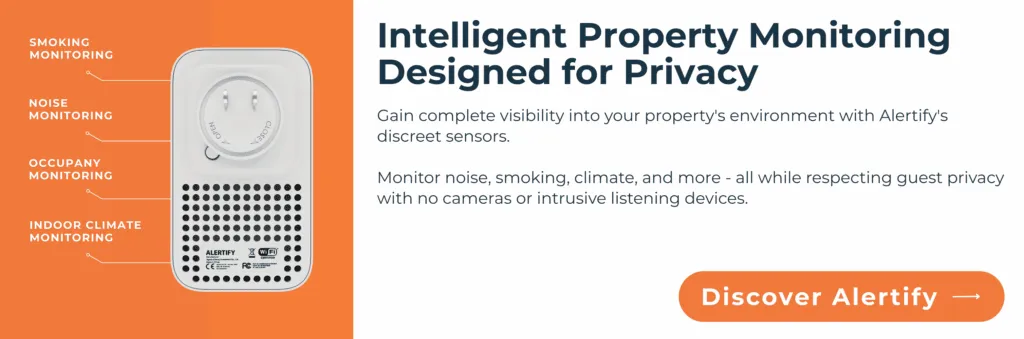
This is where Alertify serves as a critical asset protection tool. Alertify sits in the living space, acting as a sentinel for the building’s structural health. By combining humidity and temperature monitoring, it detects the persistent atmospheric conditions that allow these hidden molds to thrive.
Detecting the “Silent Leaks”
Alertify’s algorithms are designed to flag anomalies that human staff would miss. For example, if a room retains high humidity (e.g., above 60%) for 12 hours even when the AC is running, it suggests a structural failure. It indicates that moisture is entering the building envelope faster than the HVAC system can remove it. This specific data pattern alerts management to the “Vinyl Trap,” a PTAC seal failure, or hidden plumbing leaks before the wall rots from the inside out.
Historical Data for Renovation and Liability
Alertify is also invaluable during construction and renovation phases. “Legacy mold” – mold that grows because materials were installed wet – is a massive liability. By monitoring rooms while drywall and flooring are being installed, you can ensure materials are sufficiently dry before they are sealed up.
The historical data feature allows owners to hold contractors accountable. You can prove whether dehumidifiers were used correctly during the build or if the drywall was hung in a high-humidity environment. This data prevents the “blame game” years down the line when moisture issues arise, clearly delineating whether the issue is a new leak or a construction defect.
Protecting the Skeleton of Your Hotel
The integrity of your hotel relies on keeping the structure dry. Hidden mold compromises the skeleton of your building, leading to massive devaluation and renovation costs. Alertify provides the deep insights necessary to detect these invisible threats early.
Don’t wait for the wallpaper to peel, the PTACs to drip, or the carpets to smell. Use technology to monitor the health of your walls and floors, ensuring your property remains pristine from the inside out.
See behind the walls before it’s too late. Detect hidden moisture risks with Alertify’s advanced monitoring technology. Book a Demo with Alertify.