
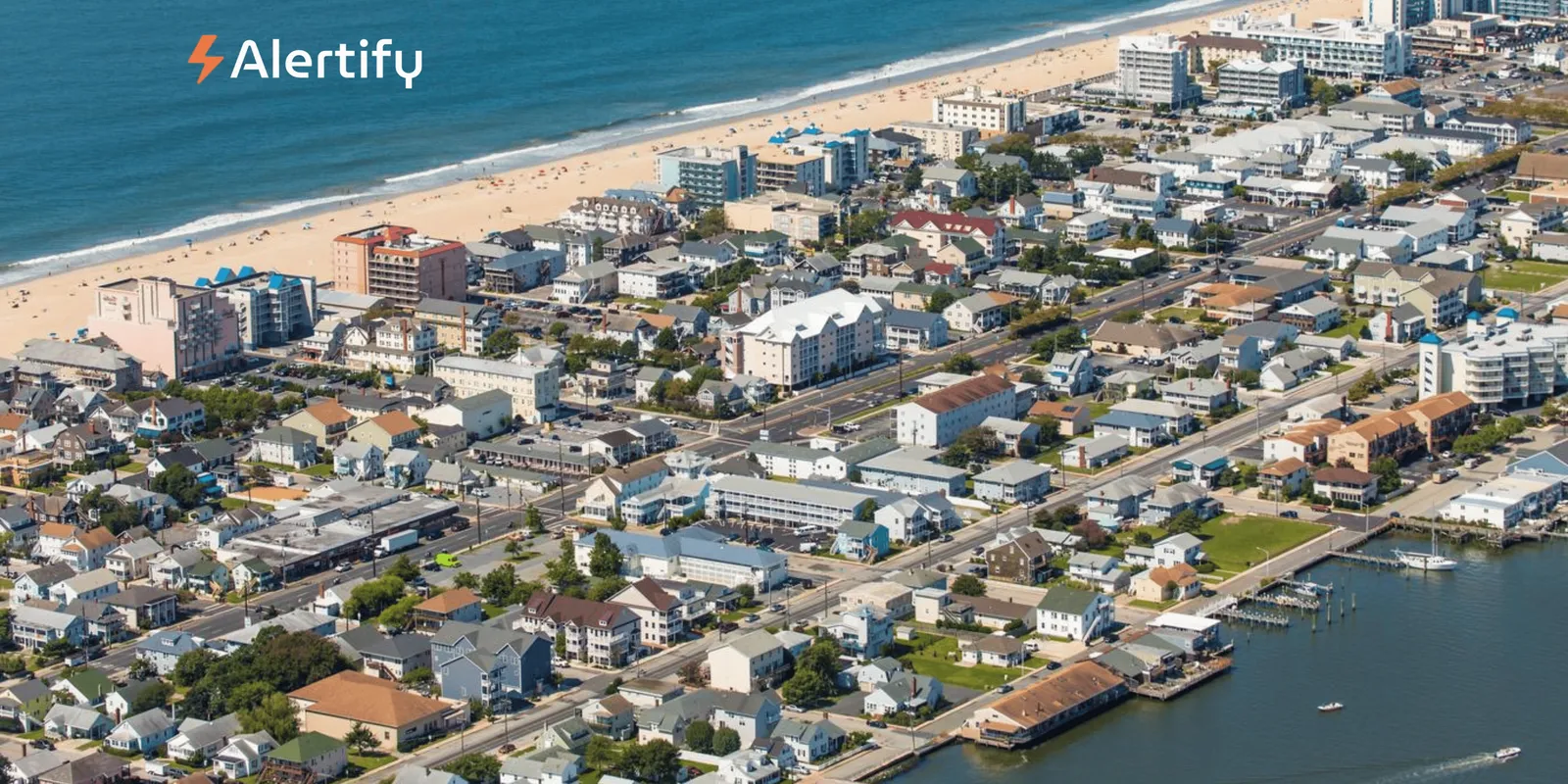
In a dramatic turn of events, Ocean City’s long-standing debate on short term rental restrictions in single-family zones took a surprising twist. Recently, the City Council acknowledged that the Planning Commission’s recommendation of a 31-day minimum stay for home rentals was the right call after all. This decision marks a significant shift in local rental policy that will impact property managers and homeowners in the coming years.
The Vote
After extensive public testimony and deliberation, the Council voted 4-3 to ban short term rentals in these single-family residential zones three years from now. To give rental property owners time to adjust, the new rules will be phased in gradually. For 2025 and 2026, a five-night minimum stay will be enforced in the R1 residential and MH mobile home zones. Come 2027, only rentals of 31 days or longer will be permitted in these areas.
A Shifted Stance
This decision didn’t come without debate. Some council members initially opposed the 31-day minimum, citing concerns over how quickly property owners could adapt. However, after reviewing the commission’s recommendation and considering the city’s comprehensive plan—which discourages business operations in single-family and mobile home districts—the majority shifted their stance. They recognized that short term rentals, as licensed businesses, sometimes conflict with broader community standards and the city’s long-term vision.
What’s Fair Is Fair
Not only has the ban been deemed fair—given that other businesses are also restricted in single-family zones—but short term rentals face unique challenges, such as ensuring guests don’t pose a risk to nearby residents and prevent Airbnb parties and excessive noise.
Could This Have Been Avoided?
Had Ocean City followed Florida’s example, this ban might have been avoided. In many Florida cities, vacation rental owners must comply with strict noise ordinance rules that maintain community harmony. These regulations prohibit noise that crosses property lines and disrupts neighbors, with disturbances measured by sound level meters at or beyond those boundaries. As a result, rental properties are required to install noise monitoring devices that alert management when limits are exceeded.
An advanced noise monitoring device for Airbnbs like Alertify and Alertify AQ+ take it further by incorporating a built-in guest verification platform, WelcomeLink. This allows hosts to quickly identify high-risk or potentially dangerous guests, ensuring proactive intervention and smoother operations.
While the current focus in Ocean City is on restricting short term rentals, many property managers wonder if a technology-driven approach might have offered a more balanced solution. With tools that continuously monitor noise levels, enforce guest verification through platforms like WelcomeLink, and provide detailed incident reports, the need for an outright ban might have been mitigated. These proactive measures not only help prevent Airbnb parties but also ensure that rental properties remain in harmony with their neighborhoods.
Preserving Single-Family Residential Areas
It’s important to note that these changes will only affect single-family zones. According to Councilman John Gehrig, neighborhoods zoned for condominiums and multi-family dwellings will remain unaffected. This targeted approach underscores the council’s intent to preserve the character of single-family residential areas while still accommodating other forms of short term rentals.
The Way Forward
As the regulatory landscape evolves, short term rental hosts must stay informed and adapt. Whether through adopting smart monitoring technology or rethinking rental strategies, preparing for these changes is essential for ensuring a smooth transition. By leveraging advanced solutions like noise and smoking monitors, property owners can not only enforce policies more effectively but also safeguard their properties from disruptive behavior.
Are you ready to navigate the future of short term rentals in Ocean City? Stay tuned for more updates and insights on how smart monitoring solutions can help you adapt and thrive in an ever-changing market.