
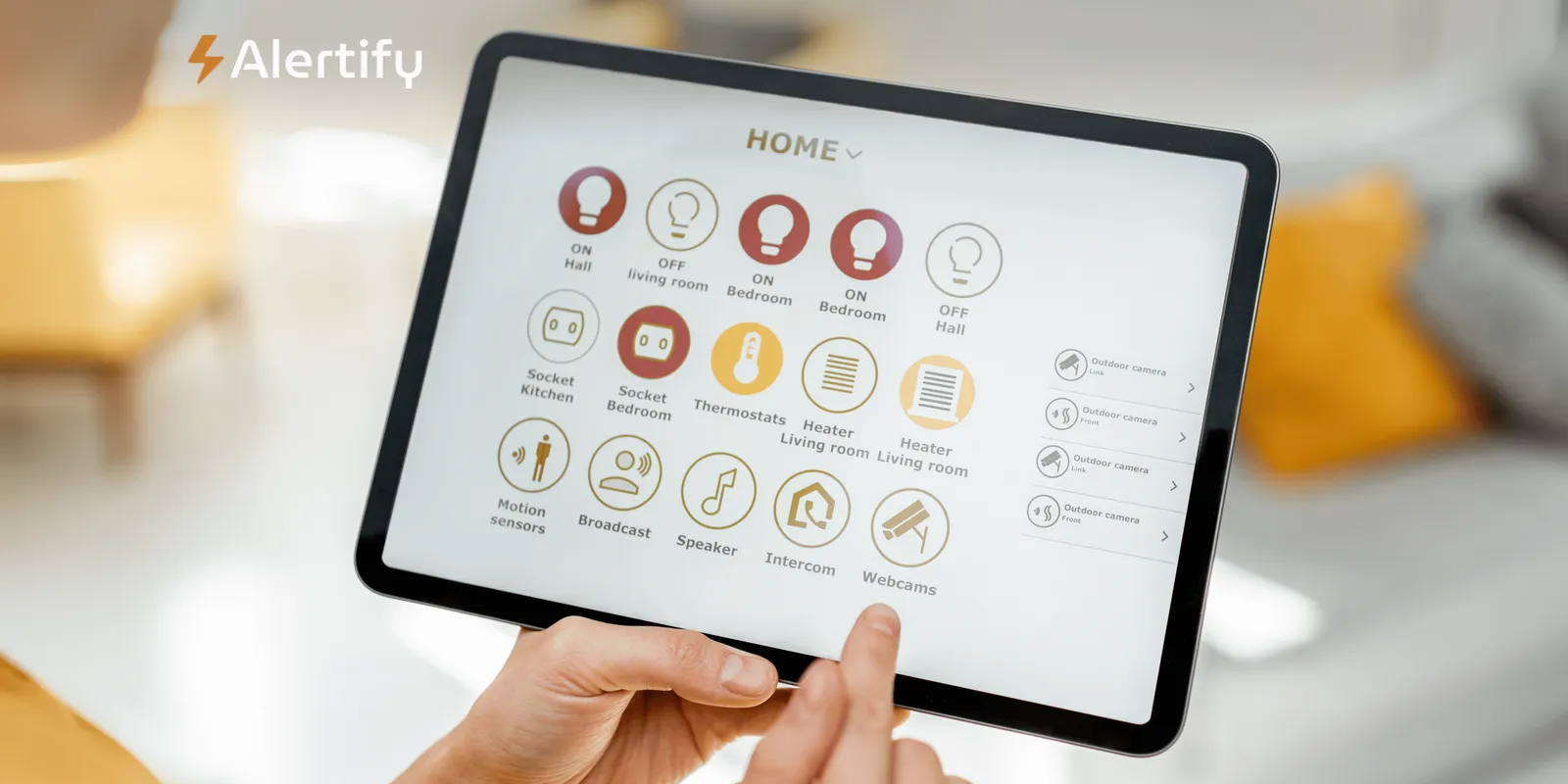
The short-term rental (STR) industry has experienced significant transformation in recent years, largely due to the integration of Airbnb smart technology. This evolution has not only streamlined operations for hosts but also enhanced the guest experience, making stays more comfortable and personalized. As we delve into 2025, understanding the impact of STR automation is crucial for property owners and managers aiming to stay competitive in this dynamic market (Touchstay, 2025).
The Rise of STR Automation
Automation in the STR sector refers to the use of technology to perform tasks that traditionally required human intervention. This includes everything from dynamic pricing adjustments to automated guest communications. The adoption of such technologies has been driven by the need for efficiency, accuracy, and the ability to scale operations without a proportional increase in workload.
Enhancing Operational Efficiency
One of the most significant benefits of STR automation is the improvement in operational efficiency. Property management systems (PMS) equipped with AI capabilities can manage bookings, synchronize calendars across multiple platforms, and automate routine tasks. For instance, AI-driven pricing tools analyze market trends, local events, and seasonal demand to recommend optimal pricing strategies, leading to increased revenue and occupancy rates (Altexsoft, 2023). Another example of this is AI-driven automated messaging, which some PMSs, such as Hostex, have in place to handle common customer inquiries.
Elevating the Guest Experience
Smart technology has revolutionized the guest experience in short-term rentals. Travelers now expect modern amenities that offer convenience and personalization (MEWS, 2024). Integrating devices such as smart locks allows for seamless self-check-ins, eliminating the need for coordinating key exchanges. Smart thermostats enable guests to control indoor temperatures to their liking, enhancing comfort. Voice-activated assistants can provide information about the property or local attractions, making stays more enjoyable (iGMS, 2025). These features not only meet guest expectations but also lead to positive reviews and repeat bookings (Turno, 2024).
Improving Security Measures
Security is a paramount concern for both hosts and guests. The implementation of smart security systems, including surveillance cameras and noise monitoring devices, ensures that properties are protected against unauthorized activities. For example, a noise decibel monitor can alert hosts to potential disturbances, allowing for timely intervention before issues escalate. This proactive approach not only safeguards the property but also maintains a peaceful environment for neighbors, aligning with local regulations and community standards (iGMS, 2025).
Streamlining Communication
Effective communication is vital in the hospitality industry. Automation tools facilitate instant responses to guest inquiries through chatbots or automated messaging systems. This immediate interaction enhances guest satisfaction by providing quick answers to common questions. Additionally, automated messaging can deliver check-in instructions, house rules, and local recommendations, ensuring guests have all the information they need for a pleasant stay.
Data-Driven Decision Making
The integration of Airbnb smart technology provides hosts with valuable data insights. By analyzing booking patterns, guest preferences, and market trends, hosts can make informed decisions about pricing, marketing strategies, and property improvements. For instance, recognizing a surge in demand during local events allows hosts to adjust pricing accordingly, maximizing revenue. Data analytics also help in identifying areas where the short-term rental guest experience can be enhanced, leading to higher satisfaction and loyalty.
Challenges and Considerations
While the benefits of STR automation are substantial, hosts must navigate certain challenges. The initial investment in Airbnb smart technology can be significant, and there is a learning curve associated with adopting new systems. Additionally, ensuring that technology integrations comply with local regulations is crucial. For example, some jurisdictions have specific rules regarding surveillance devices in rental properties. Hosts must also consider the potential for technical glitches and have contingency plans in place to address any issues promptly.
Future Outlook
The trajectory of Airbnb smart technology in the short-term rental industry indicates continued growth and innovation. As artificial intelligence and machine learning algorithms become more sophisticated, we can expect even more personalized short-term rental guest experience and efficient property management solutions. The integration of virtual reality (VR) and augmented reality (AR) could offer virtual property tours, enhancing the booking experience. Sustainability-focused technologies, such as energy-efficient appliances and smart water usage monitors, are also likely to become standard, aligning with the global emphasis on eco-friendly practices.
In Closing
The infusion of Airbnb smart technology into short-term rental management has transformed the industry, offering tangible benefits to both hosts and guests. From operational efficiencies and enhanced security to enriched short-term rental guest experience, STR automation is a pivotal factor in the modern hospitality landscape. As technology continues to evolve, staying abreast of these advancements will be essential for hosts aiming to provide exceptional service and remain competitive in the market.
For a deeper dive into specific aspects of smart rental management, such as smoking detection, be sure to explore our comprehensive guide on Airbnb smoking detection.
Learn more ways how Alertify can change STR management
Want more Alertify? Follow us on: