
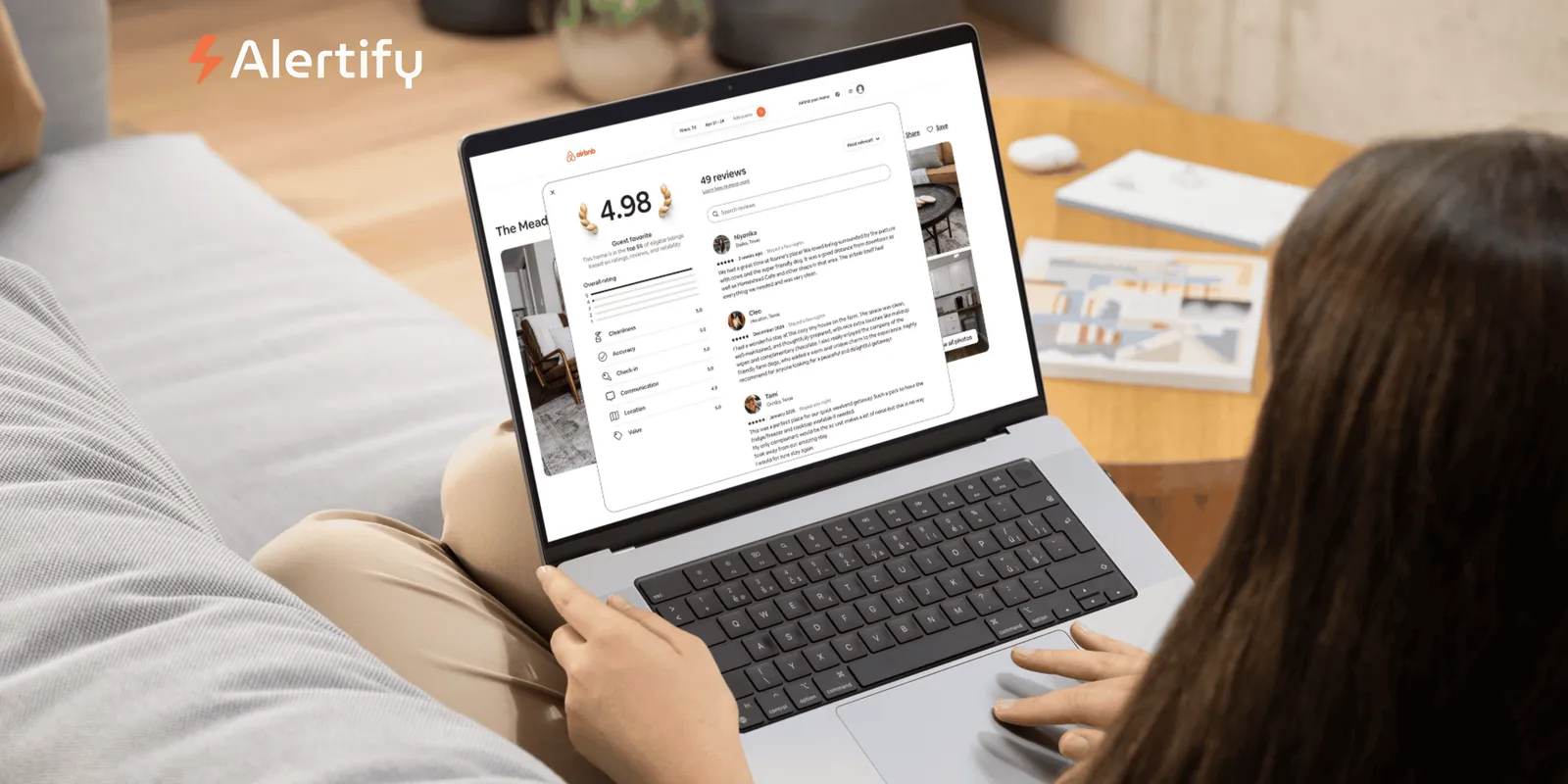
For short-term rental (STR) hosts, guest satisfaction is everything. A few bad reviews can significantly impact future bookings, and one of the most common complaints on Airbnb is excessive noise. Whether it’s from loud neighbors, late-night gatherings, or thin walls, noise disturbances can turn an otherwise enjoyable stay into a frustrating experience. Understanding the Airbnb noise impact on reviews is crucial for maintaining high ratings and ensuring repeat bookings.
Why Noise Complaints Matter for Airbnb Hosts
Guest complaints on Airbnb, especially about noise, can have far-reaching consequences. Airbnb’s algorithm favors highly rated listings, meaning a consistent stream of positive reviews improves visibility and increases bookings. However, noise-related complaints can lead to lower star ratings, discouraging future guests from booking your property.
Studies show that properties with lower ratings experience a significant drop in bookings. A Havard Business School study found that a one-star decrease in an online review rating can lead to a 5-9% reduction in revenue (Akuting, 2016). For STR hosts, this means that even a handful of noise complaints can impact their bottom line.
Beyond affecting rankings, frequent guest complaints on Airbnb can result in penalties. In extreme cases, repeated reports of disturbances can lead to Airbnb suspending or even delisting your property. To maintain a strong reputation, hosts must proactively address noise concerns before they escalate.
How Noise Affects the STR Guest Experience
Noise disturbances can negatively impact the STR guest experience in several ways. A peaceful, quiet stay is a top priority for many travelers, and when unexpected disruptions occur, guests are more likely to leave negative reviews. Common complaints include:
- Difficulty sleeping due to excessive noise at night.
- Disruptions from neighboring units or shared walls.
- Unpleasant experiences caused by nearby parties or street noise.
When guests feel their comfort is compromised, they may rate their stay lower in key review categories like cleanliness, communication, and overall experience—even if those factors had nothing to do with the noise issue. A single bad experience can lead to a ripple effect of negative reviews, deterring potential guests who rely on past feedback when choosing a rental.
Preventing Noise Complaints to Protect Your Ratings
To safeguard your Airbnb ratings and provide an excellent guest experience, implementing proactive noise management strategies is essential. Here are some proven ways to prevent noise-related complaints:
1. Set Clear Noise Expectations
From the moment a guest books, they should be aware of your noise policies. Include house rules in the listing description and reiterate them in the pre-check-in communication. Let guests know about local quiet hours and emphasize that excessive noise is not allowed.
Example of Clear Noise Expectations for Guests:
“Welcome to [Your Property Name]! We’re thrilled to host you and want to ensure you have a comfortable stay while also respecting our neighbors. Please keep the following noise policies in mind:
- Quiet hours are from 10:00 PM to 8:00 AM. During this time, please keep noise levels to a minimum, both inside and outside the property.
- No parties, events, or large gatherings are allowed. Our home is intended for registered guests only.
- Please be mindful of music volume and avoid excessive noise at any time of day.
Failure to follow these policies may result in additional fees, early check-out, or reporting to Airbnb. Thank you for your cooperation in making this a great experience for everyone!”
This sets clear expectations while maintaining a warm and welcoming tone.
2. Use Noise Monitoring Technology
Investing in a noise monitoring device for Airbnbs, like Alertify, can help hosts stay ahead of potential noise complaints by neighboring guests. These smart devices measure noise levels in real time and send alerts if sound thresholds are exceeded. By taking immediate action—such as sending an automated reminder to guests to keep things down—you can prevent minor disturbances from turning into full-blown complaints.
3. Encourage Guest Communication
Providing guests with an easy way to reach out about noise concerns can prevent them from going straight to Airbnb with a complaint. Leave a note in your rental with a contact number or messaging option for guests to report issues directly to you.
Example of Encouraging Guest Communication:
“We want you to have the best stay possible! If you experience any noise disturbances—whether from neighbors, unexpected sounds, or anything else—please don’t hesitate to reach out. You can contact us anytime at [Your Contact Number] or message us directly through the Airbnb app.
We’re happy to address any concerns right away to ensure your comfort. Your feedback helps us maintain a great experience for all our guests. Thanks for choosing [Your Property Name], and enjoy your stay!”
This keeps the message friendly and approachable while reassuring guests that their concerns will be taken seriously.
4. Address Noise Sources Proactively
If your rental is in a busy area or a multi-unit building, consider investing in soundproofing measures like thick curtains, area rugs, or acoustic panels. White noise machines in bedrooms can also help drown out external sounds, enhancing the guest experience.
5. Monitor Reviews and Adapt
Regularly reviewing guest feedback can provide valuable insights into potential noise issues. If multiple guests mention noise as a problem, take action immediately to resolve the issue and adjust your property management strategies accordingly.
The Long-Term Impact of Noise Management
By prioritizing noise control, hosts can improve the STR guest experience and maintain strong Airbnb ratings. Guests appreciate proactive hosts who ensure a comfortable stay, and satisfied guests are more likely to leave positive reviews, recommend your rental, and return for future stays.
For a deeper dive into how noise monitoring can help you avoid noise-related complaints, head to The Ultimate Guide to Noise Monitoring for Airbnb & Short-Term Rentals. Implementing these best practices will not only protect your listing from poor reviews but also help you be one step ahead in the competitive short-term rental market.
Learn more ways how Alertify can help your Airbnb
Want more Alertify? Follow us on: