
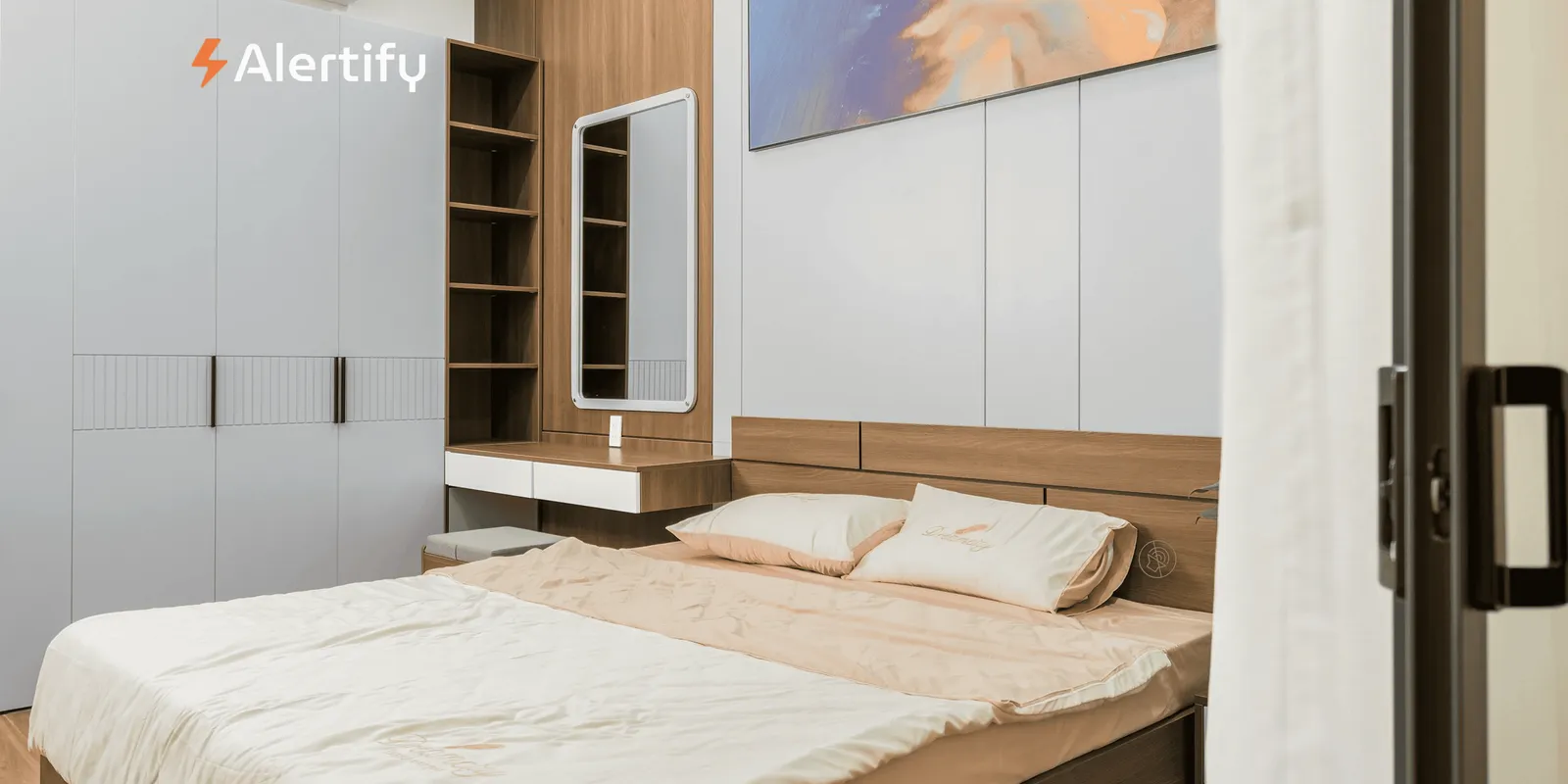
Effective soundproofing and noise control are crucial for hotel noise reduction and creating an inviting, relaxing environment for hotel guests. With hotel noise being among the top reasons guests leave negative reviews, addressing acoustic issues can significantly impact guest satisfaction, online ratings, and repeat business. By implementing strategic soundproofing solutions and proactive noise management practices, hoteliers can reduce guest noise disruptions, improve sleep quality, and ensure guests experience the peaceful stay they expect. This article outlines the best practices for soundproofing hotel rooms and managing noise effectively, helping hotels maintain a competitive advantage in guest comfort.
Hotel Noise Control Strategies
Hotel noise reduction or preventing and managing noise disturbances requires a thoughtful, multi-pronged approach that addresses both structural and behavioral factors. Successful hotels combine physical upgrades such as soundproofing hotel walls and doors with smart technology, including real-time noise monitoring devices, to proactively identify and manage noise issues. Additionally, clear communication and consistent policy enforcement play a critical role in setting guest expectations and promoting a culture of mutual respect.
Here are some essential strategies, backed by industry practices and expert recommendations, to ensure a peaceful stay and enhance overall guest satisfaction.
Invest in Soundproofing
The most permanent fix for noise problems is better building design or retrofits. Hotels can insulate walls and ceilings, add sound-dampening materials, and upgrade windows and doors to block noise transfer. For example, after facing city noise complaints, the Wythe Hotel in NYC installed three layers of soundproof windows in many rooms.
Likewise, major brands have experimented with innovative construction: Premier Inn built a “floating room” design in one London hotel, essentially boxing each room so it has no shared walls and using quadruple-glazed windows to muffle outside noise. These investments yield a quieter experience for all guests, reducing noise complaints at the source.
Even smaller touches help – like installing soft-close mechanisms on doors to prevent slams, using carpeting (or underlay) to absorb hallway footsteps, and placing ice machines or elevators away from guest room walls.
Soundproofing hotels can be costly, but it directly improves guest sleep quality (and thus satisfaction). Some hotels even advertise their quiet room designs as a selling point, knowing that a good night’s sleep is “priceless” for travelers.
Use Noise Monitoring Sensors
Technology provides a proactive noise-defense system. A hotel noise monitor such as those by Alertify are small devices placed in guest rooms or hallways that measure decibel levels. They do not record voices – preserving privacy – but will alert the front desk if noise exceeds a preset threshold for a sustained time (say 5–10 minutes). By installing these, hotels can catch wild parties or loud TVs before dozens of guests are kept awake. Staff can then politely intervene (“knock knock, we’ve had a noise complaint”) well before the situation gets out of hand. Alertify devices even have a guest alert feature where automated violation notifications can be sent directly to the guests. These automatic, friendly reminders have been shown to stop 80%+ of noise issues within minutes.
The benefits are twofold: fewer formal complaints and avoiding the cascade of bad reviews that unchecked noise can bring. Hotels also avoid comping rooms because they prevented the problem in real time. As one hospitality tech article notes, early detection and resolution of noise can save money and reputation by nipping complaints in the bud. Many U.S. hotels – from boutique inns to large chains – are now testing or using noise sensors, especially in known “problem” areas like near event spaces or on floors popular with groups. It’s a modern, 24/7 solution that extends staff’s ability to patrol quiet hours without infringing on privacy.
Enforce Clear Noise Policies
Technology works best alongside strong policies. Hotels should establish and communicate “quiet hours” or noise curfews (for instance, no loud music after 10:00 PM). These expectations can be stated at check-in, on signs in corridors, and in the guest services directory. Many properties include noise clauses in the terms guests agree to at booking – making it clear that excessive noise or party behavior that disturbs others isn’t allowed.
Crucially, staff need a plan for what to do when noise complaints arise. A common policy is a two-strike rule: on a first complaint, staff gives a warning (often accompanied by a written notice or a knock on the door); if there’s a second complaint, the hotel may take stronger action, up to evicting the offending guest without refund. This may sound harsh, but having a firm policy protects the quiet and comfort of all other guests. (For example, some casino hotels in Las Vegas and resort hotels have explicit policies that if a room gets multiple noise complaints, the guests will be asked to leave.)
The key is that management backs up the front desk and security team in enforcing these rules. Consistent enforcement deters would-be noisemakers and shows other guests that the hotel takes their comfort seriously. On the preventive side, hotels also sometimes group certain types of guests together – e.g. keeping large wedding parties on the same floor or away from business travelers – to minimize conflicting expectations. And as a courtesy, some provide complimentary earplugs or white noise machines in particularly noise-prone urban locations (though these are last resorts if noise can’t be fully eliminated).
Train Staff for Quick Response
Even with great hotel noise reduction policies and soundproofing hotels, noise issues will occur. How staff handle them can make the difference between a salvaged stay and a furious guest.
Hotels should train front-line employees to respond empathetically and efficiently to noise complaints. For instance, front desk agents should know that a guest calling at 1 AM about noise needs prompt action – not just an apology. Often the hotel’s security or night manager can be dispatched to quietly ask the noisy party to tone it down. It’s important to resolve the source of noise if possible (turn down the music, hush the hallway gathering, etc.), but if not, staff should be empowered to offer remedies to the affected guest. This might mean offering to move the guest to a quieter part of the hotel or even upgrading them to a better room if available (away from the noise).
In cases of external noise (say, street construction or a loud bar next door), the hotel might provide freebies like a spa credit or free breakfast to make up for the inconvenience – and ensure the guest knows their discomfort is not being ignored. Guests often mention in reviews not just the problem, but how the hotel handled it. A swift, sincere response can turn a negative into a neutral or even positive memory (“they cared and fixed it for me”). On the flip side, ignoring a noise complaint or responding poorly will almost guarantee a scathing review. So, having a culture of attentiveness around complaints is vital. Some hotels designate a manager-on-duty at all times to handle escalated issues like this, ensuring no guest feels unheard at any hour.
Offer Quiet Zones and Amenities
As an added layer, hotels can create structural or service solutions to cater to noise-sensitive guests. “Quiet Zone” floors are one example – an idea popularized by Crowne Plaza hotels. These are sections of the hotel where no children or groups are assigned, housekeeping is restricted to mid-day (to avoid vacuuming at 8 AM), and sometimes even “snore monitors” patrol to keep things tranquil. The Crowne Plaza chain a few years ago employed staff to walk the halls of Quiet Zones and gently knock if someone’s TV was blaring or if loud snoring (or other noise) was disrupting others. While that particular program was a bit of a PR gimmick, the concept of dedicating certain areas for light sleepers is sound.
Hotels near airports often advertise specific quiet rooms or provide sound machines upon request. Providing amenities like quality earplugs by the bedside, eye masks, or even calming lavender spray can also show guests the hotel is proactively helping them sleep well. These touches don’t replace solving the actual noise issues, but they can improve comfort and guest perception. Finally, scheduling noisy maintenance or remodeling work is part of this strategy: smart hotels do not, for example, run renovation jackhammers at 7AM on a Saturday when the hotel is full – they schedule it in mid-afternoon or during low occupancy periods, and always inform guests in advance. Coordination and consideration in operations go a long way toward preventing surprise noise disruptions.
In Closing
By implementing these hotel noise reduction strategies, hotels can significantly reduce guest noise plus noise-related incidents and their fallout. It’s about being proactive versus reactive. A well-built, well-monitored, and well-managed hotel will naturally have fewer noise complaints. The payoff is clear: guests get the peaceful rest they expect, and the hotel reaps the benefits in higher satisfaction scores, better reviews, and stronger brand loyalty. As one industry publication aptly stated, keeping things quiet isn’t just courteous – it’s smart business. Hotels that succeed in providing a quiet night’s sleep tend to see that reflected in repeat bookings and an enhanced reputation, proving that silence really can be golden in the hospitality world. Check out our full guide on hotel noise monitoring for more great insights on the topic.
Learn more ways how Alertify can help prevent noise
Want more Alertify? Follow us on: