
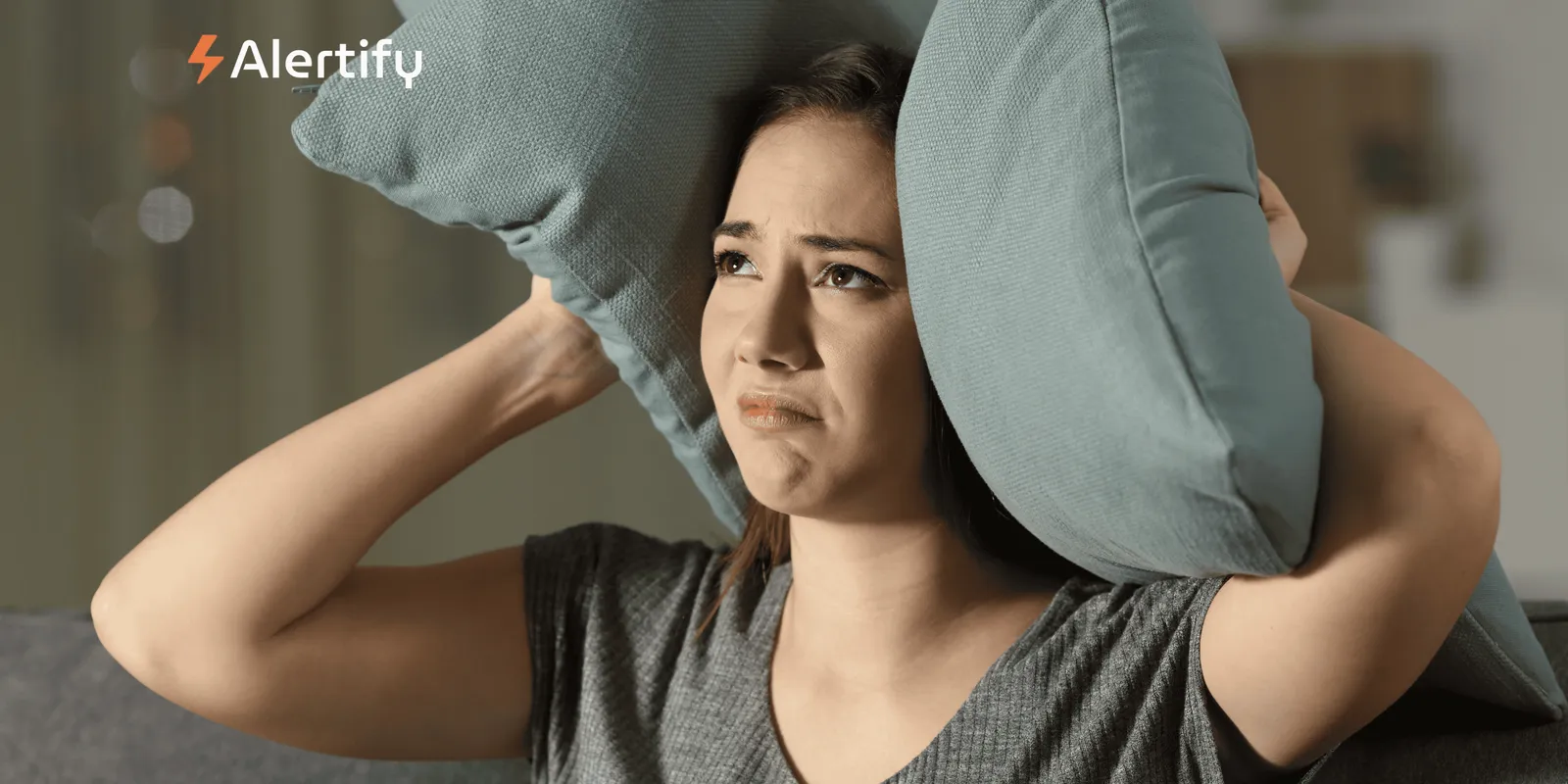
Noise is a common challenge for vacation rental hosts. Whether it’s a late-night party or unexpected disturbances from neighboring units, excessive noise can impact guest satisfaction and hurt your property’s reputation. In this article, we’ll discuss effective strategies for vacation rental noise reduction, share practical tips for Airbnb noise prevention, and explore innovative guest noise solutions that can help create a peaceful, enjoyable environment for all.
Understanding the Noise Challenge
Short-term rentals often host a variety of guests with differing expectations for their stay. Some might be there for a lively celebration, while others come seeking a quiet retreat. When noise levels get out of hand, it can lead to complaints from neighbors and negative reviews from nearby guests, which in turn may affect future bookings.
A study by the Journal of Clinical Sleep Medicine found that a significant number of guests report that excessive noise disrupts their sleep and overall satisfaction. These disruptions not only harm guest experiences but can also result in fines and compliance issues, making effective noise control critical.
Key Strategies for Vacation Rental Noise Reduction
1. Establish Clear Noise Policies
The foundation of Airbnb noise prevention starts with clear communication. Outline your noise policy in your listing, in your house rules, and during the check-in process. Specify quiet hours and the consequences of violating these rules. When guests know what to expect, they’re more likely to comply.
Reinforce these expectations by including reminders in welcome messages and property signage. A simple note near the door or in the guest handbook can serve as a helpful nudge to keep noise levels down.
2. Invest in Smart Noise Monitoring Technology
Integrating advanced noise monitoring tools is one of the most effective ways to maintain a quiet environment. Modern devices like those from Alertify continuously measure noise levels in real time, sending immediate alerts if thresholds are exceeded. These systems not only help you enforce your policies but also provide objective data that can be used to address disputes or support claims.
By employing such guest noise solutions, you can catch disturbances early—before they escalate into full-blown parties—and quickly intervene to ensure your property remains a peaceful haven.
3. Use Automated Guest Alerts
Automation can be a game-changer in managing noise. With noise monitors like Alertify, the device will send automated, customized guest alerts when noise levels go beyond your set limits. These alerts remind guests to keep noise to an acceptable level without requiring direct intervention from you. This proactive measure can resolve issues quickly and often prevents further complaints, ensuring a smoother experience for everyone. Up to 90% of hosts claim issues are resolved with the first alert, minimizing disruptions and protecting your property.
4. Encourage Responsible Guest Behavior
Beyond technology, fostering a culture of responsible hosting and guest behavior plays a vital role in preventing noise disturbances. Consider screening guests carefully, avoiding high-risk bookings such as one-night weekend stays or large groups of young adults.
Additionally, encourage guests to respect the neighborhood by setting clear expectations about conduct and providing alternative suggestions for nightlife or entertainment options away from your rental. Many guests are simply unaware of the impact of their noise levels, so proactive guidance can go a long way.
5. Regular Maintenance and Acoustic Improvements
Sometimes, the root of the problem lies in the property’s design. Consider investing in acoustic treatments such as soundproofing walls, installing noise-reducing flooring, or upgrading windows. Regular maintenance and timely repairs of mechanical systems (like HVAC units) can also help reduce background noise, contributing to overall vacation rental noise reduction.
Some effective ways to soundproof your rental include:
- Using heavy curtains to absorb sound
- Adding rugs and carpets to minimize noise transmission
- Installing weather stripping on doors and windows
- Positioning furniture strategically to block sound from traveling
These small adjustments can make a significant difference in keeping external and internal noise levels under control.
6. Monitor and Adapt Based on Data
One of the benefits of modern noise monitoring is the wealth of data it provides. Use these insights to track noise patterns and identify recurring issues. If you notice spikes at certain times or in specific areas, adjust your policies or make changes to your property layout accordingly. Data-driven decisions ensure that your approach to noise management is both effective and adaptable over time.
The Consequences of Noise Complaints
Noise complaints don’t just affect the quality of your guests’ stay—they can also have legal and financial implications. Many cities have strict noise ordinances, and violating them can lead to hefty fines or even legal action.
Airbnb itself has implemented strict noise policies, and repeated violations can lead to temporary suspensions or permanent removal of your listing. Additionally, noise complaints often translate into negative reviews, making it harder to attract future bookings and decreasing your revenue potential.
Real-World Impact
Consider the case of a vacation rental owner who experienced frequent noise complaints despite having strict policies in place. By integrating a smart noise monitor, they were able to track when and where the disturbances occurred. With this information, they adjusted the guest communication strategy and implemented additional acoustic solutions, ultimately reducing noise complaints by over 40%.
Another example comes from a host who installed noise monitoring devices in all their rentals. Within weeks, they noticed a decline in unauthorized parties and a marked improvement in neighbor relations. By proactively addressing noise issues, they were able to maintain their Airbnb listing and increase repeat bookings from satisfied guests.
Prevent Issues Before They Escalate
Effective noise control is essential for any short-term rental, especially in today’s competitive market. By adopting best practices for vacation rental noise reduction—including clear policies, smart monitoring technology, automated alerts, and proactive maintenance—you can prevent issues before they escalate, maintain a peaceful environment, and ultimately protect your property’s reputation.
For more in-depth insights and practical tips on noise management, be sure to head to The Ultimate Guide to Noise Monitoring for Airbnb & Short-Term Rentals on our blog. Embrace these strategies to enhance guest satisfaction and secure your success in the short-term rental market.
Learn more ways how Alertify can help manage noise
Want more Alertify? Follow us on: