In an active shooter crisis, every tick of the clock represents a potential for tragedy. The difference between a contained threat and a mass casualty event is measured in seconds, not minutes. Nowhere is this more true than in a hospital, where a vulnerable population relies on a swift and effective defense. A delayed hospital security response doesn’t just complicate a bad situation but rather it multiplies the damage in ways that can affect a healthcare facility for years to come. The costs are human, operational, and financial, and they are staggering.
Understanding the severe consequences of slow emergency response times is fundamental to improving hospital safety. It highlights the critical need for modern technologies like gunshot detection in hospitals, which are specifically designed to eliminate the delays inherent in human-based reporting. When violence erupts, the speed of your initial alert is the single most important factor in determining the outcome.
The Human Cost: A Price Beyond Measure
The most devastating cost of a delayed response is, without question, the loss of life and infliction of serious injury. In an active shooter event, the casualty count rises dramatically with each passing minute that the shooter remains unchallenged.
When a hospital relies on someone making a 911 call, several delays are immediately introduced:
- Recognition Delay: The time it takes for a person under extreme duress to understand what is happening.
- Reporting Delay: The time it takes for that person to find a safe place, retrieve their phone, make the call, and coherently explain the situation to a dispatcher.
- Information Delay: The time it takes for the dispatcher to relay incomplete or chaotic information to first responders.
This process can take minutes, minutes during which a shooter can move through a facility unimpeded. By contrast, an automated detection system reports the shot in seconds, providing a direct advantage that translates into lives saved. A rapid response allows law enforcement to neutralize the threat faster, and it enables staff to begin lockdown and evacuation procedures sooner, moving people out of harm’s way before the threat escalates.
The Operational Cost: A Mission Interrupted
Beyond the immediate human tragedy, a delayed response can cripple a hospital’s ability to function. The entire facility, or a significant portion of it, becomes a crime scene. This initiates a cascade of operational failures that impact community health.
Immediate Shutdown and Evacuation
A major security event forces a complete lockdown. Surgeries are postponed, emergency services are diverted to other hospitals, and patient care is massively disrupted. The process of clearing and securing a large, complex hospital building can take many hours, if not days. During this time, the hospital cannot fulfill its primary mission of caring for the community.
Long-Term Service Disruption
The aftermath is often worse. Investigations can close off critical areas like emergency departments or operating rooms for an extended period. Staff members who witnessed the event will be traumatized, leading to absences, resignations, and a difficult road to psychological recovery. The hospital may face a severe staffing crisis at the exact moment its services are most needed to help the community heal.
Improving Your Hospital Security Response with Technology
The evidence is clear: the delays inherent in manual reporting systems are a liability that modern hospitals can no longer afford. The key to mitigating these devastating costs is to shorten the timeline between the first shot and the arrival of help. This is where technology like gunshot detection in hospitals becomes a non-negotiable component of hospital safety.
By automating the very first step of the emergency response chain, these systems eliminate the most dangerous delays.
- They remove human hesitation and error from the initial alert.
- They provide precise location data, making the response more targeted.
- They deliver information directly to security and law enforcement, ensuring a coordinated effort.
This technological advantage is the foundation of a modern, effective hospital security response. It provides the speed and intelligence needed to protect lives, maintain operational continuity, and safeguard the institution’s future.
A Proactive Investment in Hospital Safety
A delayed response costs lives, paralyzes operations, and can inflict wounds that last for years. Investing in technology that guarantees a rapid, accurate alert is one of the most important decisions a hospital can make.
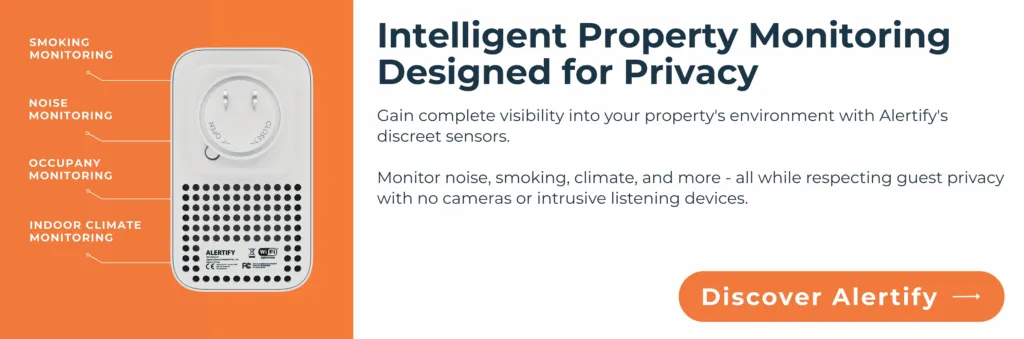
The Alertify monitoring device is engineered to minimize your emergency response times and maximize your control over a crisis. By detecting a gunshot and sending detailed alerts to first responders in seconds, Alertify closes the critical time gap where the most harm occurs. Its accuracy ensures that when an alert is sent, it is real, enabling a confident and immediate response. Don’t wait to calculate the cost of a tragedy. Proactively invest in the safety of your patients and staff.