
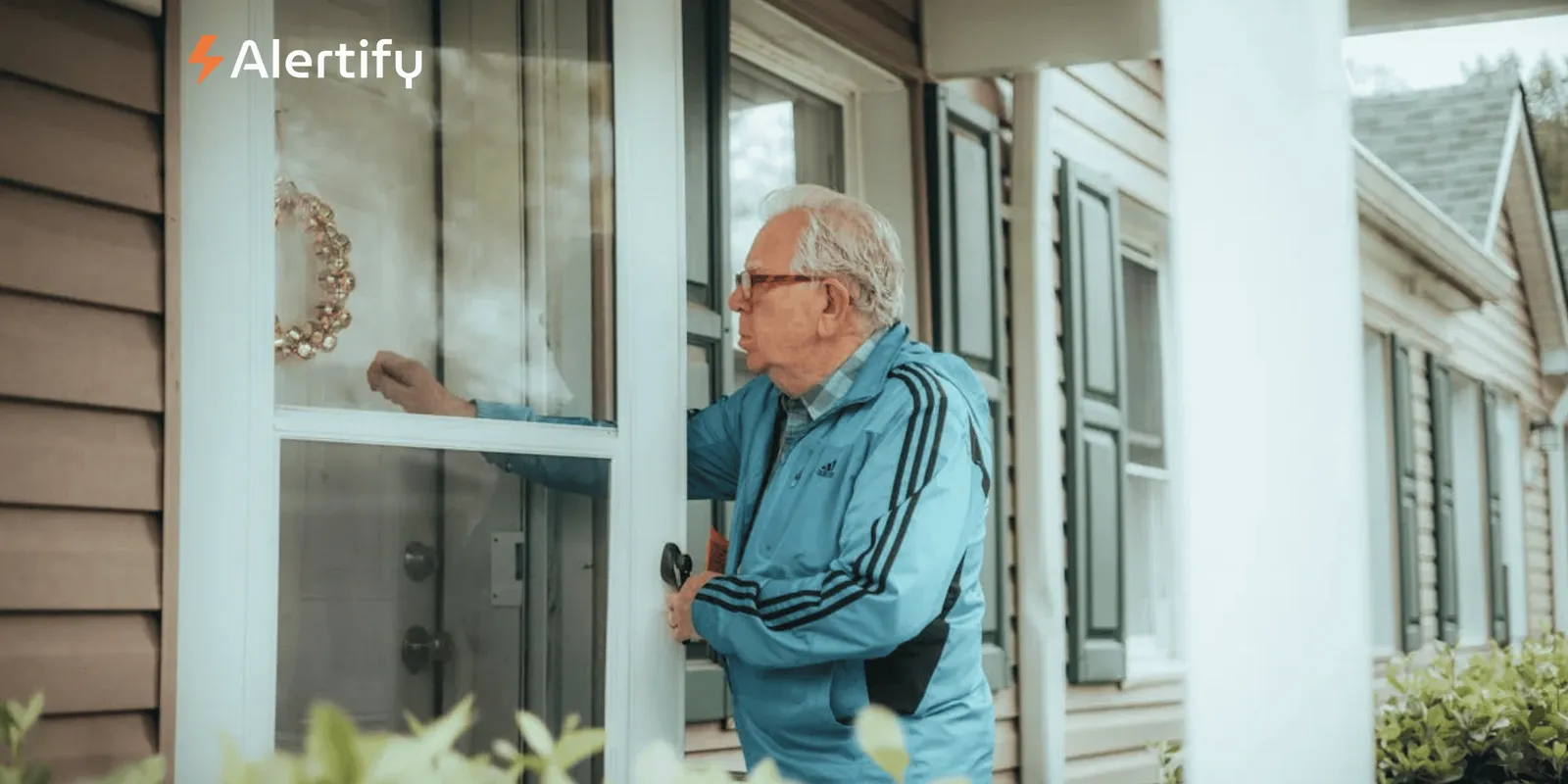
Managing Airbnb neighbor complaints is a critical aspect of operating a successful Airbnb or short-term rental (STR) property. Excessive noise can lead to strained neighbor relations, potential STR noise fines, and even jeopardize your rental business. Understanding the causes of these complaints and implementing proactive measures can help maintain harmony and compliance.
Understanding the Impact of Noise in Short-Term Rentals
Noise disturbances are among the most common grievances neighbors have regarding STRs. A study by Boston University found that while 93% of respondents were aware of Airbnb activity in their neighborhoods, over two-thirds felt this was the right amount, indicating a tolerance that can be disrupted by nuisances like noise (Boston Hospitality Review, 2018).
In some cases, the proliferation of STRs has been linked to increased neighborhood disturbances. For instance, a study found that increases in Airbnb listings led to more violence in neighborhoods in later years, suggesting that the prevalence of Airbnb listings can erode a neighborhood’s natural ability to prevent crime (PubMed Central, 2021).
Consequences of Noise Complaints
Failure to address noise complaints can result in significant repercussions:
- Fines and Penalties: Many cities have implemented strict short-term rental noise ordinances with substantial STR noise fines. In Ottawa, fines for noise violations range from $100 to $500 for first-time offenses and $500 to $1,000 for repeat violations (City of Ottawa, 2017).
- Permit Revocation: Persistent noise issues can lead to the revocation of rental permits. For example, Austin, Texas, requires STRs to obtain city licenses and prohibits unlicensed rentals from advertising, with fines of up to $2,000 per day for violations. (Finledger, 2022)
- Strained Community Relations: Ongoing disturbances can lead to neighborhood tensions, negatively impacting your reputation and potential for future bookings.
Proactive Measures to Prevent Noise Complaints
To mitigate noise-related issues, consider the following strategies:
- Install Noise Monitoring Devices: Utilize smart noise sensors that alert you to excessive noise levels, allowing for timely intervention before issues escalate.
- Set Clear House Rules: Clearly outline expectations regarding noise in your property listings and welcome materials. Emphasize quiet hours and the importance of respecting neighbors.
- Screen Guests Carefully: Be vigilant during the booking process. Watch for red flags such as last-minute reservations or local guests looking for a one-night stay, which could indicate plans for a party.
- Maintain Open Communication: Provide neighbors with your contact information and encourage them to reach out directly with concerns, fostering goodwill and allowing for prompt issue resolution.
- Limit Occupancy: Adhere to local regulations regarding occupancy limits to prevent overcrowding and potential noise problems.
Understanding and Complying with Local Regulations
To successfully operate a short-term rental, it’s essential to understand and follow local noise ordinances and STR regulations. Many cities and municipalities have implemented strict policies to address the growing concerns surrounding short-term rentals, particularly regarding noise disturbances. Failing to comply with these regulations can result in significant fines, permit revocation, and legal action, putting your rental business at risk.
One of the most common regulations affecting Airbnb hosts is local noise ordinances. Many cities enforce specific quiet hours, typically between 10 PM and 7 AM, to prevent disturbances to permanent residents. Some municipalities have decibel limits, meaning that any noise above a certain threshold—measured in decibels—could result in penalties. For example, a city might enforce a maximum noise level of 55 decibels at night in residential areas, and if exceeded, property owners may receive citations or fines. In some regions, repeat violations can lead to even stricter consequences, such as higher fines or legal action against the rental property.
In addition to noise-specific rules, many areas have enacted broader short-term rental (STR) regulations. These regulations may require property owners to obtain permits, pay local occupancy taxes, and comply with additional safety and zoning requirements. For instance, the city of Plainview, Texas, mandates that all STR operators obtain a permit and pay the required hotel occupancy tax. Non-compliance can lead to permit denial, revocation, or financial penalties, making it crucial for hosts to stay informed and follow the necessary legal requirements (MyPlainview, 2025). Other cities have introduced similar measures, requiring hosts to register their properties and demonstrate compliance with local laws to continue operating legally.
Understanding these regulations and taking proactive steps to comply with them not only helps you avoid fines and legal trouble but also improves relationships with neighbors and local authorities. Staying informed about evolving laws and implementing noise monitoring solutions can make it easier to maintain compliance while ensuring that your short-term rental remains a positive presence in the community.
Handling Noise Complaints Effectively
If a noise complaint arises:
- Respond Promptly: Address the issue as soon as possible to prevent escalation.
- Communicate with Guests: Politely inform guests of the complaint and remind them of the house rules.
- Document Incidents: Keep detailed records of complaints and your responses to demonstrate due diligence if authorities become involved.
- Implement Corrective Measures: If necessary, take action such as terminating the booking to prevent further issues.
Leveraging Technology for Compliance
Investing in technology can be a game-changer when it comes to maintaining compliance with local noise ordinances and avoiding costly STR noise fines. Modern solutions make it easier than ever for short-term rental hosts to monitor noise levels, enforce house rules, and prevent issues before they escalate.
One of the most effective tools for ensuring compliance is a noise monitoring system. Devices like those offered by Alertify provide real-time noise tracking, alerting hosts the moment sound levels exceed a predefined threshold. These systems allow you to take swift action—whether that means sending a gentle reminder to guests or escalating the situation if necessary. Unlike traditional security cameras, noise monitoring systems respect guest privacy while giving you valuable insight into potential disturbances.
In addition to noise monitoring, automated messaging can help reinforce quiet hours and noise expectations throughout a guest’s stay. Many property management platforms allow hosts to set up automated messages that remind guests of house rules upon check-in, before quiet hours begin, and if noise levels start to rise. A simple, well-timed reminder can often prevent complaints before they happen, reducing the likelihood of friction with neighbors and local authorities.
By combining noise monitoring with proactive guest communication, hosts can ensure their properties remain compliant with regulations, create a positive experience for guests, and maintain good relationships with the surrounding community.
In a Nutshell
Effectively managing noise complaints is essential for the success of your Airbnb or short-term rental business. By understanding local regulations, implementing preventive measures, and responding promptly to issues, you can maintain positive neighbor relations and avoid costly fines. For a comprehensive understanding of noise monitoring solutions, refer to The Ultimate Guide to Noise Monitoring for Airbnb & Short-Term Rentals.
By proactively addressing noise concerns, you not only protect your business but also contribute to a harmonious community environment.
Learn more about protecting your property from noise complaints
Want more Alertify? Follow us on: