
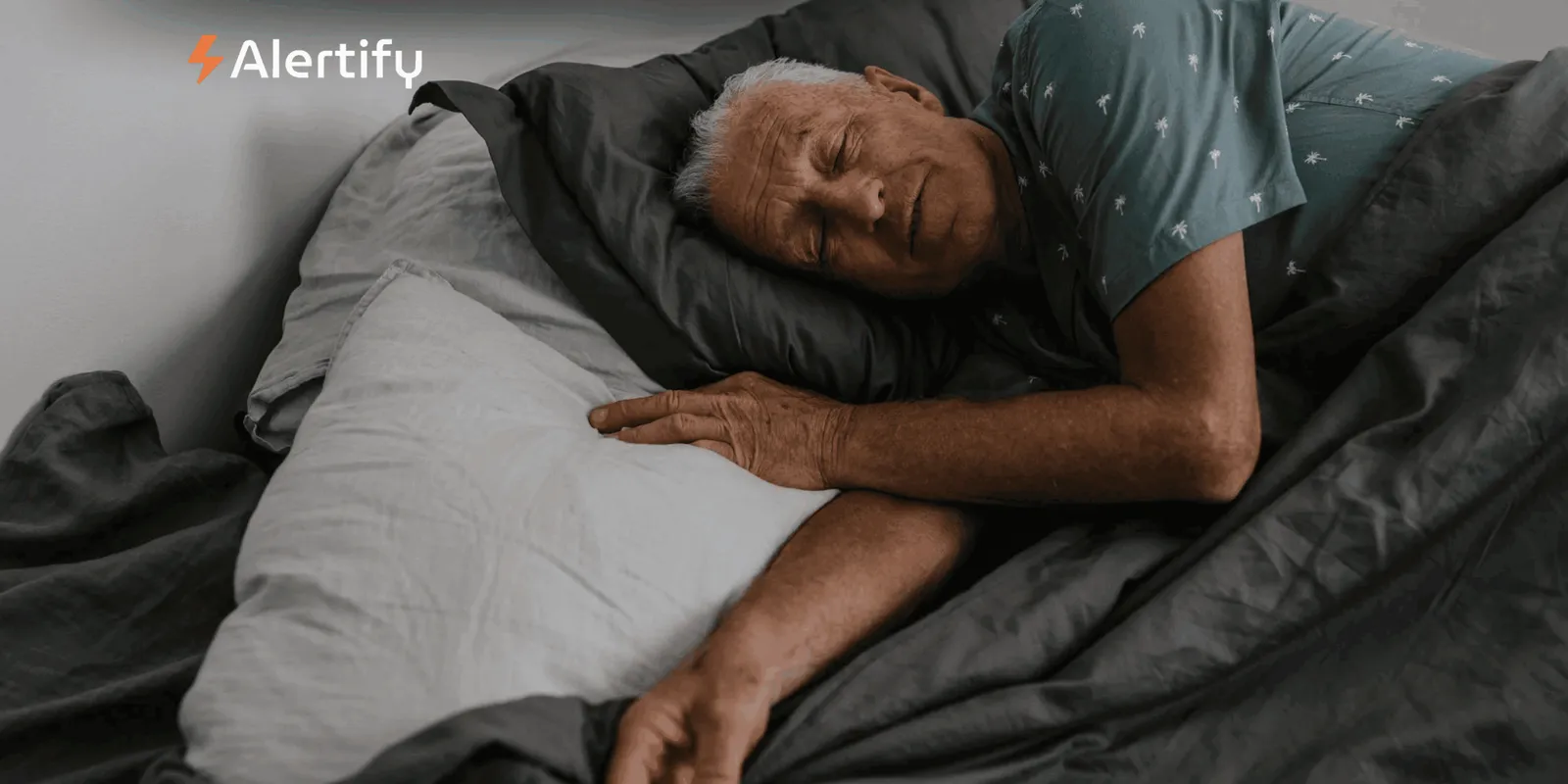
In senior living communities, factors like medical care, nutrition, and social engagement are often seen as top priorities. But one crucial element is often overlooked—noise. While ambient sound may seem like a minor issue compared to physical health concerns, research shows that elevated sound levels can have serious consequences for senior residents, particularly when it comes to sleep quality, cardiovascular health, cognition, and emotional well-being.
Understanding the noise impact on senior health is essential for assisted living operators, caregivers, and families who want to create a calm, safe, and nurturing environment. This article explores how noise disrupts rest, increases health risks, and diminishes the quality of life for elderly individuals—and what senior communities can do to address it through noise monitors.
The Vulnerability of Seniors to Noise
As people age, their tolerance for noise typically decreases. Older adults experience physiological and neurological changes that make them more susceptible to environmental disturbances. According to the World Health Organization (WHO), seniors are particularly vulnerable to the adverse health effects of noise pollution, even at lower thresholds than younger adults.
Nighttime noise in assisted living in retirement homes and assisted living facilities, persistent or unpredictable noise—such as loud televisions, hallway conversations, alarms, foot traffic, or kitchen operations—can contribute to cumulative stress and sleep disruption, with far-reaching health consequences.
Sleep Disruption and Recovery Challenges
Sleep disruption in elderly care is a serious issue. Sleep is one of the most vital components of healthy aging. Yet, in many senior communities, achieving consistent, restorative sleep is a challenge due to environmental noise. A study published in The Journal of Clinical Sleep Medicine found that over 60% of elderly individuals in institutional care settings report frequent sleep disturbances, and environmental noise was cited as a leading cause.
Disrupted sleep in elderly care settings has been linked to:
Increased fall risk
Impaired immune function
Slower wound healing
Cognitive decline
Agitation and behavioral issues in dementia patients
For seniors, a lack of deep, uninterrupted sleep hinders not just energy levels, but overall physical recovery and mental health. Nighttime disturbances—like cleaning, loud intercoms, or staff conversations—can be particularly harmful, as they prevent entry into the deep REM sleep cycle that is essential for memory consolidation and cellular repair.
Cardiovascular and Cognitive Health Risks
Studies have shown that long-term exposure to noise can impact senior health. Elevated noise levels can contribute to high blood pressure, increased heart rate, and elevated cortisol levels—all of which are especially concerning in elderly individuals with pre-existing cardiovascular conditions.
The Environmental Health Perspectives Journal noted that chronic noise exposure contributes to hypertension and heart disease due to the body’s stress response to perceived threats—even if the noise is not consciously disruptive. Over time, this low-grade but constant stress can lead to serious complications.
Additionally, chronic exposure to disruptive noise has been linked to cognitive impairment. Seniors with dementia or Alzheimer’s are especially affected, as noise can trigger confusion, increase disorientation, and exacerbate anxiety. A study in The Gerontologist found that excessive environmental noise worsens memory recall and shortens attention spans in elderly patients, particularly those already experiencing cognitive decline.
Emotional Well-being and Quality of Life
Beyond sleep and physical health, stress from noise in assisted living has a measurable impact on emotional well-being. Persistent noise in senior communities contributes to:
Irritability and agitation
Feelings of helplessness
Withdrawal from social interaction
Reduced satisfaction with care
For seniors—especially those dealing with chronic illnesses or memory issues—unexpected or excessive sound can trigger stress responses that manifest in both mood and behavior. In memory care units, for example, loud sounds can provoke emotional outbursts or wandering behaviors due to sensory overstimulation.
Moreover, when seniors feel they have no control over their environment, especially sound levels, it can lead to a diminished sense of dignity and autonomy—key elements of quality of life in any retirement setting.
Evaluating Sound Levels in Retirement Homes
The World Health Organization recommends that sound levels in sleeping areas should not exceed 30 decibels (dB), and peak indoor noises should remain below 45 dB in healthcare and elder care settings. Yet, sound levels in retirement homes regularly exceed these thresholds.
Common noise sources in assisted living facilities include:
Staff conversations near rooms
Loud televisions or entertainment systems
Dining room clatter
Medical equipment beeps and alarms
HVAC and plumbing systems
Without proper monitoring, these routine sounds can accumulate into a noise environment that consistently exceeds safe levels—especially during evening and overnight hours when peace is critical.
A Smart Approach to Noise Management
Today’s smart monitoring technology makes it easier than ever to track and manage noise in assisted living environments. Privacy-safe noise monitoring senior housing systems like Alertify can:
Monitor decibel levels 24/7
Send real-time alerts when noise exceeds thresholds
Help staff proactively reduce disruptions
Collect data to support staff training and facility design improvements
Unlike surveillance cameras or microphones, these systems are non-invasive and focused strictly on sound levels—making them ideal for elderly care facilities concerned with dignity, privacy, and compliance.
Final Thoughts: Prioritizing Peace and Well-Being
The noise impact on senior health is clear—and the responsibility to address it lies with those managing and operating senior housing communities. By recognizing noise as more than an annoyance—and instead treating it as a serious health and quality-of-life factor—care providers can significantly improve outcomes for their residents.
From better sleep and lower stress to safer environments and improved satisfaction, reducing noise is one of the most impactful changes a facility can make. With the help of smart noise monitoring tools, senior communities can finally bring peace, comfort, and dignity back to the forefront of elder care.
Improving sleep in senior communities
Want more Alertify? Follow us on: