When it comes to securing a healthcare facility, security directors face a critical task: selecting the right tools to protect patients, staff, and visitors. For decades, hospital surveillance systems, primarily composed of security cameras, have been the peak of these efforts. However, as threats evolve, so must the solutions designed to counter them. This has led to the rise of a new class of proactive tools, chief among them being gunshot detection in hospitals. This raises an important question for decision-makers: Is one technology better than the other?
The answer is not about replacement, but about reinforcement. Both security cameras and gunshot detection systems play vital, yet distinctly different, roles in a comprehensive security plan. Understanding their unique strengths and limitations is key to building a truly effective strategy around your hospital security technology.
The Role of Hospital Surveillance Systems
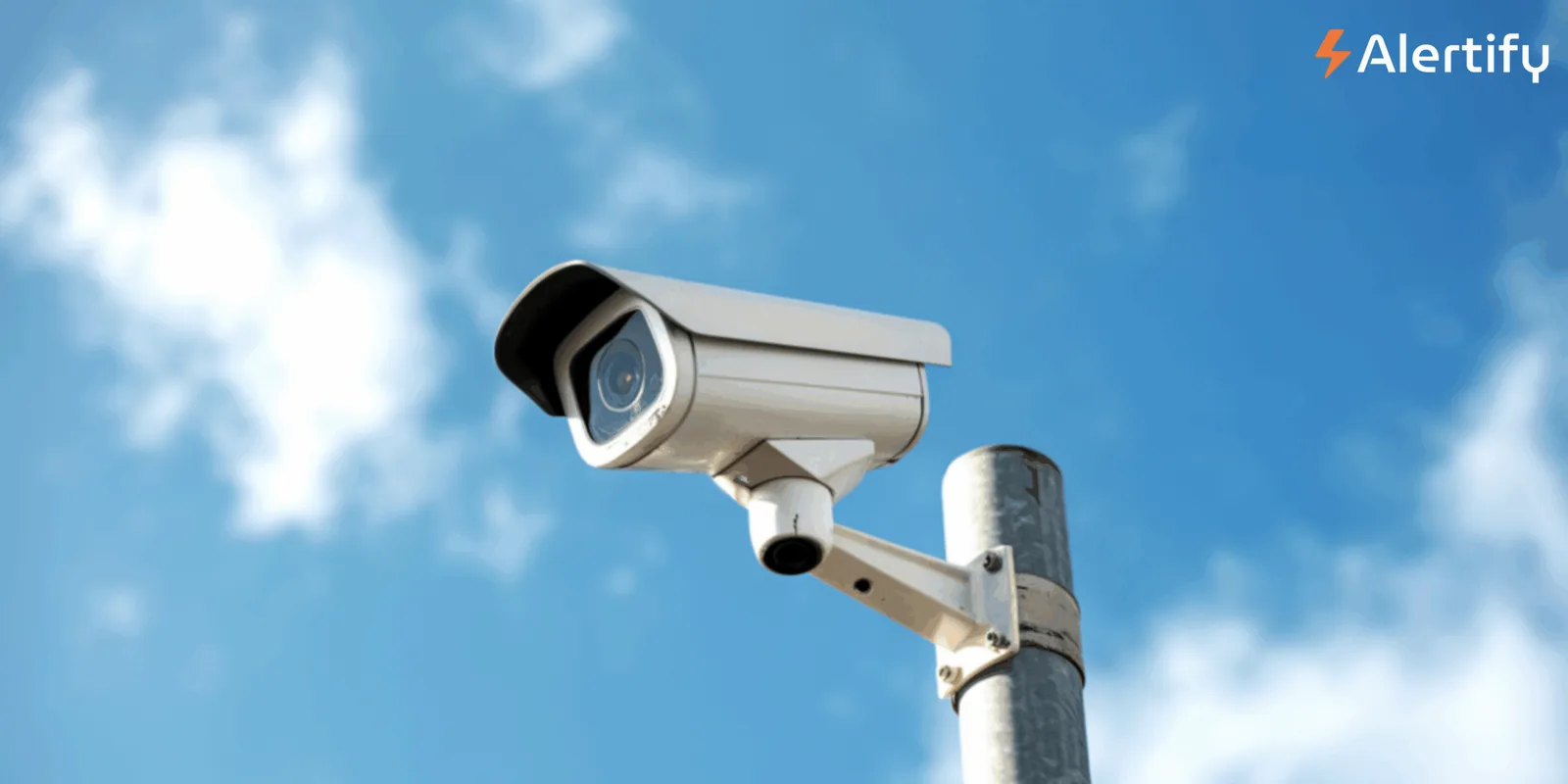
Security cameras are an indispensable part of modern security. Their presence alone can act as a powerful deterrent to potential criminals. For hospitals, they are essential for monitoring sensitive areas like entrances, pharmacies, nurseries, and parking lots. The value of hospital surveillance systems is undeniable, but it’s important to recognize what they are primarily designed to do.
Strengths of Security Cameras
- Visual Evidence: The primary function of a camera is to provide a visual record of events. This footage is invaluable for post-incident investigations, helping law enforcement identify suspects and piece together a timeline of what happened.
- Deterrence: Visible cameras can discourage vandalism, theft, and other non-violent crimes, contributing to a general sense of order and safety.
- Real-Time Monitoring (with limitations): In a dedicated security operations center, staff can actively monitor live feeds from cameras. This allows them to watch for suspicious behavior and dispatch guards to investigate potential issues.
The Limitations of a Reactive Tool
The fundamental limitation of security cameras is that they are reactive. They show you what is happening or what has already happened, but they cannot interpret the event or initiate an alert on their own. In an active shooter situation, a camera cannot distinguish the sound of a gunshot from a door slamming. It relies entirely on a human operator noticing the event on the correct screen at the exact moment it occurs. In a system with hundreds of cameras, the odds of this are incredibly low. This gap between the event and the human response is where critical seconds are lost.
The Proactive Power of Gunshot Detection Sensors
This is where dedicated gunshot detection sensors change the equation. This type of hospital security technology is not designed to see, but to listen and confirm. Its sole purpose is to identify the unique signature of a gunshot and initiate an immediate, automated emergency response.
How Gunshot Detection Fills the Surveillance Gap
Rather than waiting for human intervention, gunshot detection sensors take proactive control of the initial alert, providing capabilities that cameras simply do not have.
- Instantaneous, Automated Alerts: The system’s primary strength is speed. Within seconds of a firearm being discharged, it verifies the event and sends out detailed alerts to security personnel and law enforcement. This happens automatically, without anyone needing to watch a video feed or make a phone call.
- Precise Location Data: A gunshot detection system doesn’t just tell you that a shot was fired it also tells you exactly where it was fired. Alerts often come with a map of the facility showing the precise sensor that was triggered. This actionable intelligence is crucial for first responders, allowing them to bypass a time-consuming search and move directly to the threat.
- Reduced False Alarms: Advanced systems ensure that loud noises like falling equipment or slamming doors do not trigger a false alarm, building trust in the system’s reliability.
A Layered Approach: Why Hospitals Need Both
Ultimately, the debate isn’t “gunshot detection vs. cameras.” The most effective security posture combines the strengths of both. They are two different tools for two different jobs that work together to create a powerful, layered defense.
Imagine an active shooter scenario in a hospital corridor:
- The Shot: A gun is fired.
- Instant Detection: The gunshot detection sensor instantly identifies the event and its location.
- Automated Alert: Within seconds, an alert is sent to hospital security and local police with a precise location on a digital floor plan. Lockdown protocols can be initiated in targeted areas.
- Informed Response: Police arrive already knowing the shooter’s location, saving critical time.
- Visual Confirmation & Investigation: Security operators can immediately pull up the live feed from the camera in that specific corridor to gain visual intelligence. Later, the recorded footage from all relevant hospital surveillance systems will be used for the investigation.
In this scenario, gunshot detection provided the immediate, life-saving alert, while the camera system provided the crucial visual context and evidence. One without the other leaves a dangerous gap in your security response.
Secure Your Hospital with Alertify
Strengthening your hospital security technology requires looking beyond traditional solutions. While your camera system is essential, it cannot provide the instantaneous alert needed to save lives during an active shooter event.
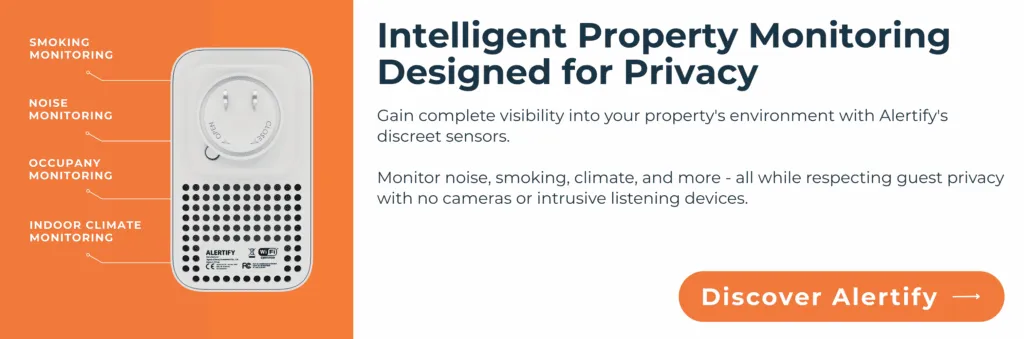
The Alertify monitoring device is designed to fill that critical gap and provides immediate alerts with precise location data. Alertify empowers a faster, more effective response from both on-site security and law enforcement. It is the proactive layer of security that works in concert with your existing systems to create a safer environment for everyone.