
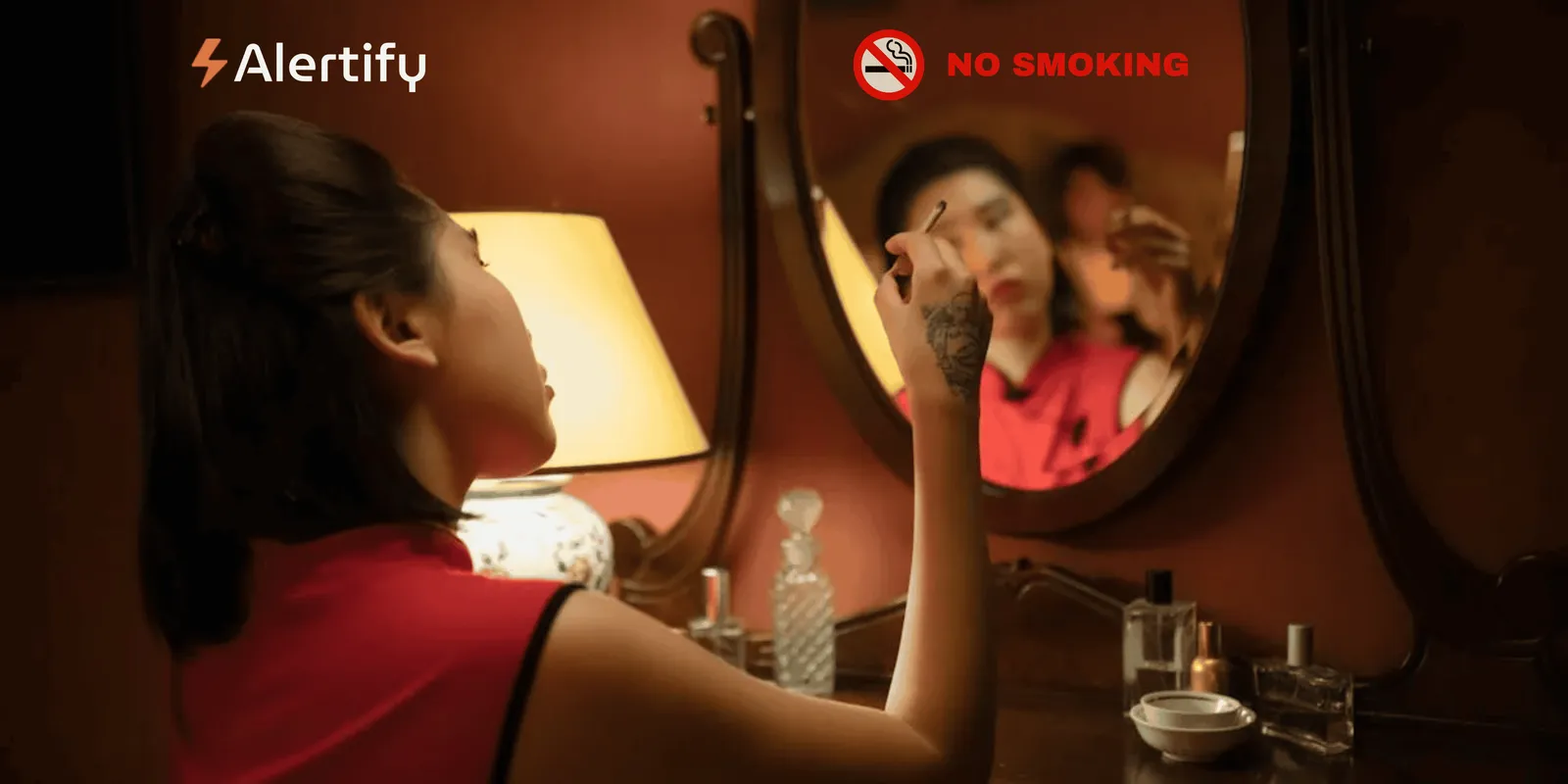
In the hospitality industry, a single guest smoking in a non-smoking room can cost your hotel hundreds—if not thousands—of dollars. The consequences of a violated no-smoking policy are far-reaching, from deep cleaning and odor removal to negative online reviews. But here’s the real challenge: how do you enforce hotel smoking rules without offending or alienating your guests?
It’s a delicate balance between protection and hospitality. In this post, we’ll explore how to prevent guest smoking and how to enforce your no-smoking policy firmly and professionally—while still preserving the guest experience.
This article supports our Complete Guide to Smoking Detection in Hotels, which covers everything from detection devices to damage prevention strategies.
Why Hotels Must Take Smoking Policies Seriously
Smoking-related complaints don’t just linger in the air—they stick to your bottom line.
The American Hotel & Lodging Association (AHLA) estimates that smoking-related incidents in non-smoking rooms cost U.S. hotels over $22 million annually in cleaning, repairs, and lost bookings. Beyond the physical toll, smoking often triggers fire alarm systems and can create serious safety concerns for other guests.
Many guests today expect smoke-free environments. A 2022 study published in Tobacco Induced Diseases found that 89% of hotel guests prefer non-smoking accommodations, with 66% saying they’d leave a negative review if their room smelled of smoke—even if the hotel wasn’t responsible.
Step 1: Communicate Clearly, Repeatedly, and Respectfully
The first rule of enforcement? Prevention.
Your no-smoking policy should be:
Listed on your website and all booking channels
Included in your confirmation emails and pre-arrival communication
Reiterated during check-in or via a digital guest journey platform
Displayed inside the room with signage and printed materials
Use courteous but clear language, such as:
“We are proud to offer a 100% smoke-free environment. Smoking of any kind—including tobacco, e-cigarettes, and cannabis—is prohibited inside rooms. A cleaning fee of $350 will be charged for violations. Thank you for respecting our policy and helping us provide a fresh experience for all guests.”
Don’t assume all guests understand the hotel smoking rules. Some may be traveling from places where indoor smoking is common, or may not consider vaping as “smoking.” Spell it out.
Step 2: Use Technology for Passive Enforcement
Smart technology is a game-changer when it comes to quietly but effectively enforcing smoking policies.
Alertify’s hotel-grade smoking detection sensors continuously monitor air quality for signs of tobacco or vape smoke. These devices are discreet, privacy-safe (they don’t record audio), and deliver real-time alerts when a violation occurs.
Even better: you can automate guest notifications.
If smoke is detected in a room, Alertify can send a polite message reminding the guest of the hotel’s policy—without involving front desk staff or creating confrontation. This often resolves the issue before it escalates.
For example, a large boutique hotel group in Chicago saw a 42% reduction in smoking incidents after installing smart sensors with auto-alerts in guest rooms.
Step 3: Require Agreement at Booking or Check-In
Another best practice is requiring guests to agree to the smoking policy (and potential fines) before they receive their room key.
This can be handled via:
A digital signature in a check-in kiosk
A checkbox in a guest journey platform like WelcomeLink
A verbal confirmation at the front desk
This protects your hotel in case of disputes and strengthens your claim when applying a cleaning fee. When guests acknowledge the policy, they are far less likely to violate it—and more likely to accept consequences if they do.
Step 4: Handle Violations Professionally
If you detect smoking in a room, respond swiftly—but without hostility.
Here’s a recommended process:
Document the evidence: Save data logs from your detection system, take photos, and note staff observations.
Politely inform the guest: Let them know a violation occurred, refer back to the signed policy, and explain the next steps.
Charge the fee consistently: If a smoking fine is outlined in your policy, apply it evenly to all guests without exception.
Offer a partial refund when appropriate: If the guest was cooperative, offering a reduced fine can avoid negative reviews.
It’s important that your staff are trained to remain calm, professional, and non-accusatory in these situations. Avoid confrontation. The guest should feel like they’re being held accountable—not attacked.
Step 5: Provide Alternatives for Smokers
You don’t want to make guests feel like they’re being punished—you want to help them comply.
Where possible, provide:
A designated outdoor smoking area with ashtrays
A map or sign pointing guests to where they can smoke
Clear language: “We understand some guests smoke and have provided a designated area outside for your convenience.”
Guests who smoke are more likely to respect your hotel smoking rules if you show that you’ve considered their needs.
Why Enforcement Matters for Guest Satisfaction
It may feel counterintuitive, but strong no-smoking enforcement actually increases satisfaction among most guests. Clean, fresh-smelling rooms lead to better reviews, higher ratings, and repeat business.
In fact, one hotel using smart smoke detection reported a 22% drop in negative reviews mentioning odor or cleanliness within six months of installing Alertify devices. That kind of change not only protects your reputation—it boosts your bottom line.
And with HCAHPS-style guest surveys becoming increasingly common in hospitality, every point matters.
Final Thoughts: Policy + Technology = Peace of Mind
You don’t need to choose between being a strict enforcer or an accommodating host. With smart smoke detection, automation tools, and clear guest communication, you can enforce your no-smoking policy effectively—without the stress, confrontation, or awkwardness.
Your guests will appreciate the fresh environment. Your housekeeping team will thank you. And your balance sheet will benefit.
For more strategies, tools, and hotel smoking detection tips, check out our Complete Guide to Smoking Detection in Hotels.
Need help enforcing your hotel’s no-smoking policy?
Want more Alertify? Follow us on: