
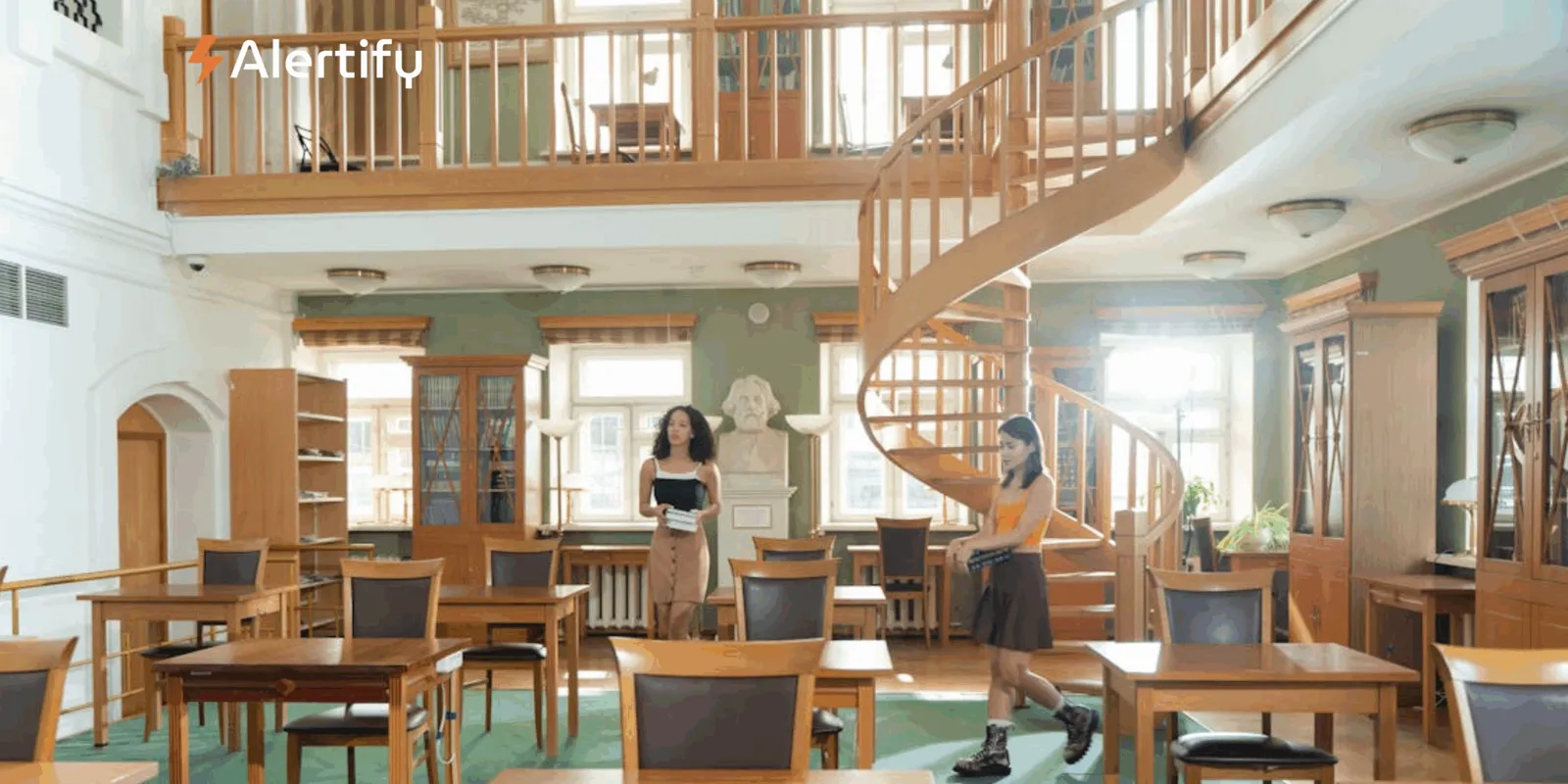
Why School Noise Is No Small Matter
Noise is often an overlooked challenge in educational settings, but its impact is anything but minor. In fact, studies consistently show that high levels of background noise in classrooms and common areas can reduce student focus, increase teacher stress, and even lower academic achievement. For facilities managers, this is not just an acoustics issue—it’s a measurable factor in educational outcomes and staff well-being.
This is where education facility monitoring plays a transformative role. By combining smart sensor feedback with thoughtful architectural design, schools can create quieter, more effective learning environments.
The Hidden Cost of Poor Acoustic School Design
If you’ve ever visited a school during lunch or change-of-period rush, you’ve probably noticed just how loud these environments can get. But beyond the obvious disruptions, poorly designed spaces create ongoing challenges:
Persistent learning space noise levels: When classrooms back onto busy hallways or cafeterias, ambient sound bleeds into instructional time, making it harder for students to concentrate.
Teacher voice strain: In noisy environments, educators often raise their voices to be heard, leading to fatigue and, over time, burnout.
Behavioral issues: Research suggests that noisy settings can lead to frustration and increased incidents of disruptive behavior among students.
All of this leads to lower satisfaction among both students and staff—and in extreme cases, contributes to absenteeism and turnover.
Acoustic School Design: Foundational Strategies
Before jumping into high-tech solutions, let’s cover core principles of acoustic school design that any facilities team can pursue:
Site Planning Matters
The location of classrooms, gyms, cafeterias, and music rooms influences noise distribution. Placing quieter spaces away from high-traffic zones is a simple but effective first step.
Interior Surface Choices
Hard floors, untreated ceilings, and bare walls reflect sound, amplifying noise. On the other hand, carpeting, acoustic panels, and specialized ceiling tiles help absorb and diffuse sound energy.
Physical Barriers
Installing solid core doors and double-glazed windows in certain classrooms can make a measurable difference in keeping sound contained or out.
Where Education Facility Monitoring Makes the Difference
Design strategies are essential—but schools rarely have the budget or time to overhaul buildings at once. That’s where smart education facility monitoring technology comes in.
Real-Time Data for Smarter Decisions
By installing learning space noise level sensors in classrooms, cafeterias, and hallways, administrators gain a clear picture of problem areas. Instead of guessing, they can see which rooms consistently exceed acceptable decibel levels—and when.
For example:
A facilities manager might learn that a particular classroom near the HVAC system regularly records 10 dB higher than others, suggesting a need for mechanical upgrades or better insulation.
Sensors could reveal that hallway noise peaks during specific times, prompting staggered bell schedules to minimize disruption.
Feedback Loops for Ongoing Improvement
One of the most powerful aspects of monitoring is the ability to create a feedback loop. After making changes—say, adding acoustic ceiling panels or resealing classroom doors—teams can track the effect and verify if noise levels improved. This data-driven approach ensures that every investment delivers measurable value.
A Real-World Example: Small Steps, Big Impact
Consider a mid-sized public school that installed noise sensors in its open-plan media center, adjacent classrooms, and main corridor. Data revealed that certain hours of the day saw noise levels exceed 70 dB—a level disruptive to focused work.
In response, the school added modular acoustic screens between workstations and resequenced hallway traffic flow. Within weeks, average noise dropped by nearly 15 dB, as confirmed by the sensors. The change not only improved concentration but also reduced staff complaints about the chaotic environment.
Integrating Sensor Data into Future Design
When school buildings undergo renovations or build new wings, historic noise monitoring of school data can help guide choices. Facilities planners can:
Advocate for better materials: Presenting hard numbers makes it easier to justify spending on acoustic tiles or specialized doors.
Design smarter layouts: Data highlights where quiet zones should go—and which high-noise areas to isolate.
Improve room assignments: If some rooms prove acoustically poor despite design efforts, they can be reserved for non-instructional use.
Moving Beyond Technology: Building a Culture of Awareness
While sensor feedback is valuable, a truly quieter school environment also relies on people. Training staff and students to be mindful of noise—such as closing doors softly, walking instead of running indoors, and using indoor voices—can reinforce architectural and technological efforts.
Many schools pair education facility monitoring with awareness campaigns, setting goals for decibel levels during certain activities and celebrating success when targets are met.
Final Thoughts: The Future of Noise-Smart Schools
In the end, managing learning space noise levels is about more than gadgets or building materials—it’s about creating an environment where both students and staff can thrive. Combining smart sensor data with thoughtful acoustic school design gives schools the best chance to achieve that goal.
And as technology becomes more affordable, there’s no reason monitoring should be limited to new builds. Retrofitting existing spaces with unobtrusive sensors and making data-informed improvements is one of the most cost-effective ways schools can support academic success and staff well-being.
In short: designing quieter schools isn’t just about comfort—it’s a strategic move toward better educational outcomes and healthier communities.
Learn about the ultimate solution for quieter schools
Want more Alertify? Follow us on: