
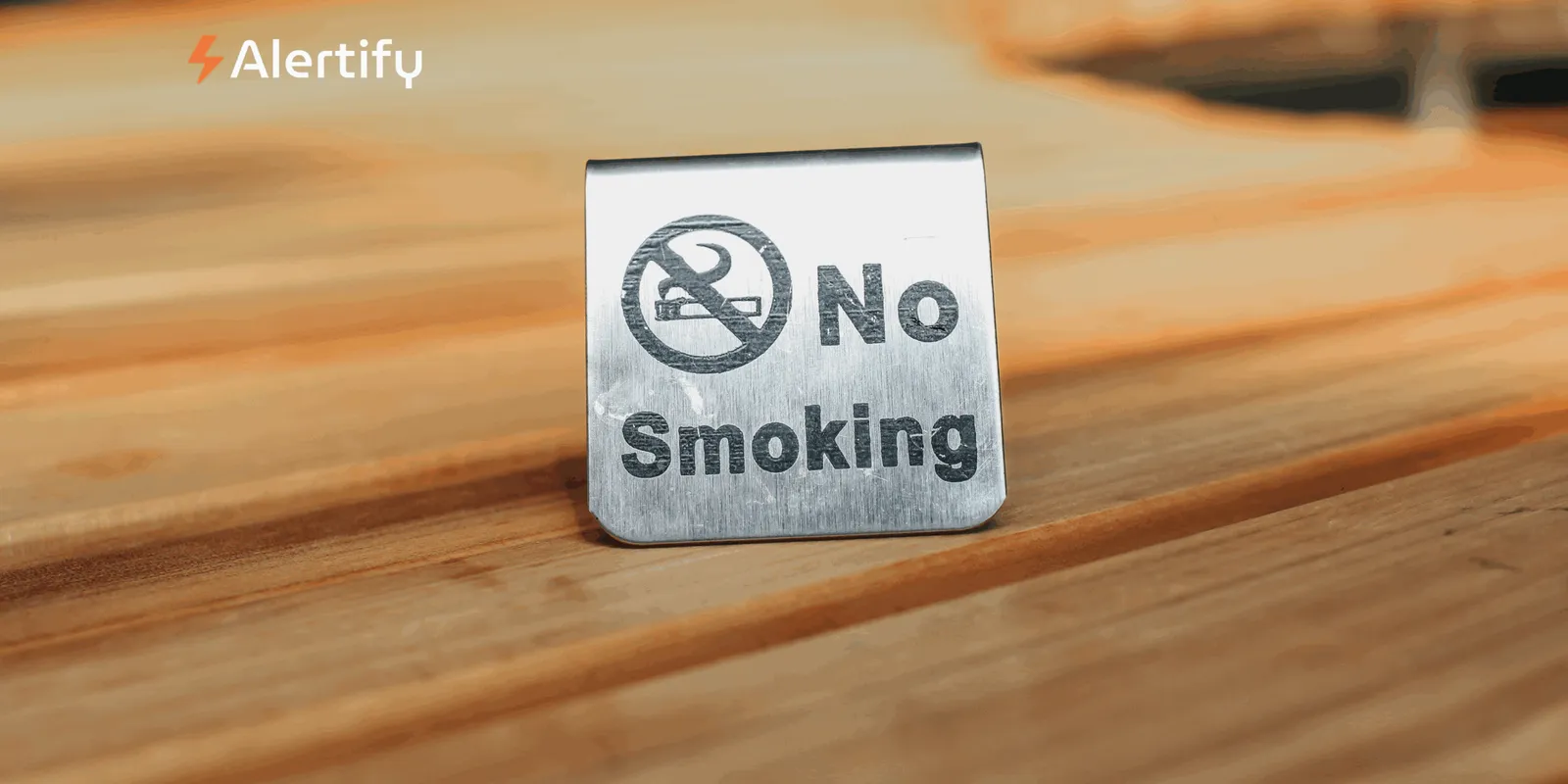
As the population continues to age, assisted living and senior housing communities face an increasing responsibility to protect resident health, safety, and well-being. One major area of concern—and opportunity—is managing smoking behavior among residents. Developing and implementing clear, respectful, and enforceable senior housing smoking policies is crucial not only for resident health but also for ensuring compliance with regulatory requirements.
This article provides a practical, step-by-step guide to establishing and enforcing effective no-smoking policies, implementing a smoking monitor for senior housing, emphasizing compassionate communication, respectful enforcement, and compliance with relevant laws and standards.
Step 1: Understand Regulatory and Legal Requirements
Before developing no-smoking policies, managers must understand the broader regulatory environment affecting assisted living smoking compliance. Most states have clear regulations governing smoking in senior living communities. At the federal level, senior care facilities are obligated to provide safe, healthy environments, implicitly requiring effective tobacco control.
Consulting with local public health departments or legal counsel is beneficial to ensure that your policies comply fully with applicable federal, state, and local guidelines. Clearly aligning your smoking policies with these legal frameworks not only protects your facility but also enhances your community’s credibility.
Step 2: Draft Clear, Comprehensive Policies
Effective senior housing tobacco control begins with clear policy language. Your smoking policy document should explicitly outline:
Policy Purpose: Explain clearly why a no-smoking policy is necessary (e.g., health protection, fire safety, resident comfort).
Scope and Restrictions: Identify specifically where smoking is prohibited—ideally, establishing completely smoke-free indoor environments—and designate clearly marked outdoor smoking areas, if applicable.
Resident Responsibilities: Outline expectations regarding resident cooperation, including compliance with designated smoking areas and appropriate disposal of smoking materials.
Enforcement Actions: Clarify consequences for non-compliance, including written warnings, fines, or potential resident agreements violations.
Exemptions or Accommodations: Describe any permissible exemptions, such as provisions for outdoor smoking areas, while adhering to relevant safety regulations.
Include this policy in resident lease agreements and handbooks, ensuring visibility and clear understanding from the onset.
Step 3: Communicate the Policies Clearly and Respectfully
Drafting a policy is only effective if residents and staff understand and accept it. Effective communication of senior housing smoking policies involves:
Initial Orientation: Explain smoking policies clearly during move-in orientation sessions. Provide residents and their families written copies and discuss openly, addressing questions or concerns.
Clear Signage: Place visible, respectful signage throughout the community, clearly marking smoke-free areas and any designated outdoor smoking locations.
Regular Reminders: Reiterate policies periodically through newsletters, community meetings, and posted announcements highlighting smoking risks in elderly residents.
Staff Training: Ensure all staff are trained on policy details and how to address non-compliance respectfully and compassionately.
Effective policy communication fosters community acceptance, setting clear expectations and reducing misunderstandings and resistance.
Step 4: Utilize Technology for Policy Enforcement
Today, technology plays a valuable role in supporting policy compliance in senior living communities. Implementing non-intrusive smoking detection technology, such as Alertify’s smoke detection systems, can significantly aid in enforcement:
Real-Time Alerts: Systems detect smoke-related events promptly, allowing staff to intervene proactively.
Privacy-Friendly Monitoring: Privacy-respecting sensors monitor air quality without intruding on resident privacy.
Objective Evidence: Detailed reports on smoke detection incidents provide clear, unbiased documentation to support policy enforcement and conversations with residents or family members.
Leveraging technology enhances transparency, fairness, and consistency, which are critical aspects of effective enforcement and maintaining resident trust.
Step 5: Managing Resident Smoking Behavior Respectfully
Effective enforcement is not solely about compliance; it also requires empathy and sensitivity, particularly when managing resident behavior:
Approach Non-Compliance Compassionately: Initial enforcement interactions should be educational rather than punitive. Discuss the policy violation privately and respectfully, ensuring residents feel heard.
Offer Supportive Alternatives: For residents struggling with smoking habits, consider facilitating smoking cessation programs, counseling, or educational workshops about tobacco-related health risks.
Involve Families in Solutions: Engage resident families or caregivers to collaboratively encourage compliance and provide additional emotional support and encouragement to residents.
Consistent Enforcement: Maintain fairness and consistency in applying enforcement measures, so residents perceive policies as equitable rather than arbitrary.
Prioritizing respectful enforcement promotes cooperation, minimizes resistance, and fosters a supportive and compassionate living environment.
Step 6: Regularly Review and Update Policies
Periodically evaluating the effectiveness of your senior housing smoking policies ensures ongoing relevance and compliance:
Collect Feedback: Solicit input regularly from residents, staff, and families on policy effectiveness and enforcement practices.
Analyze Data: Utilize data from monitoring systems (like Alertify’s smoke sensors) to identify patterns or persistent challenges needing policy adjustments.
Update Training Programs: Provide regular training updates for staff regarding changes in policy or enforcement strategies, ensuring all team members remain current on best practices.
A commitment to continuous improvement demonstrates responsiveness to community needs and maintains high standards of compliance and resident care.
Final Thoughts: Prioritizing Resident Health and Community Harmony
Creating and enforcing clear, respectful, and legally compliant no-smoking policies in assisted living facilities requires deliberate effort, ongoing communication, and compassionate enforcement strategies. Effective senior housing tobacco control not only safeguards resident health from smoking-related illnesses but also contributes positively to overall community wellness, harmony, and safety.
By integrating clear policies, empathetic enforcement, educational support, and technology-driven compliance solutions, senior housing administrators can successfully manage resident smoking behavior, reduce risk, and build healthier communities for their residents.
With thoughtful implementation, no-smoking policies become more than mere rules—they are a powerful expression of your facility’s commitment to the health, dignity, and quality of life of every resident. Read more about indoor smoking in senior housing in our full blog post on the topic.
Implement smoking monitoring effectively in senior housing.
Want more Alertify? Follow us on: