
The idea of improving your facility’s indoor air quality can feel overwhelming. It seems technical, complex, and expensive. But the truth is, you can make a significant impact by following a clear, step-by-step process. Launching an effective indoor air quality program is an achievable goal for any senior living facility, regardless of size or budget. It’s about being systematic and leveraging the right tools to transform your approach from reactive to proactive.
This guide provides a practical action plan for facility managers and administrators. We will walk you through the essential steps, from initial assessment to ongoing management. By following this roadmap, you will understand how to implement an IAQ program that not only protects your residents but also integrates seamlessly into your daily operations.
Step 1: Assess Your Current Environment
Before you can improve your air quality, you need a baseline. Start by walking through your facility with “IAQ eyes.”
Identify Potential Problem Areas
Look for hotspots where air quality issues are most likely to arise. Pay close attention to:
- High-Congestion Zones: Dining halls, activity rooms, and physical therapy gyms where CO₂ can build up.
- Moisture-Prone Areas: Kitchens, laundry rooms, and bathrooms where humidity and mold can be a problem.
- Chemical Use Areas: Janitorial closets and storage areas for cleaning supplies are often sources of VOCs.
- Poorly Ventilated Spaces: Interior rooms or older wings of the building that feel stuffy.
Review Your Existing Systems
Take stock of your current infrastructure. What is the age and maintenance schedule of your HVAC system? What MERV rating are your current air filters? A higher MERV rating means better filtration. Understanding your starting point is crucial.
Step 2: Develop a Monitoring Strategy with Strategic Sensor Placement
You can’t manage what you don’t measure. Continuous IAQ monitoring is the cornerstone of a proactive program. The key is placing sensors where they will provide the most actionable data.
Follow a Smart Sensor Placement Guide
You don’t need a sensor in every room. A good air quality sensor placement guide will focus on representative areas:
- Place CO₂ sensors in high-traffic common areas to manage ventilation based on real-time occupancy.
- Place humidity sensors in areas prone to moisture to get early warnings of potential mold growth.
- Place multi-parameter sensors (measuring particulates, VOCs, etc.) in sensitive zones like memory care units or in areas where residents have expressed concerns.
Step 3: Set Baselines, Thresholds, and Action Plans
Once your sensors are active, let them run for a week to establish your building’s unique IAQ baseline. Then, set customized alert thresholds based on public health guidelines (from the EPA, WHO, etc.). Most importantly, create a simple Standard Operating Procedure (SOP) for what to do when an alert is triggered. For example, a high CO₂ alert might trigger a protocol to increase the HVAC fan speed in that zone.
Step 4: Communicate Your Commitment to All Stakeholders
An IAQ program is a powerful sign of your commitment to resident health, and you should share the news. Transparency is key to getting buy-in from your entire community.
Communicating with Residents’ Families
This is one of the most important aspects of communicating with residents’ families. Frame the program as a positive, proactive investment in their loved one’s well-being. Share anonymized, high-level data in newsletters or family council meetings. For example, “This month, our new IAQ system helped us ensure optimal fresh air circulation during the annual holiday party, keeping everyone safe and comfortable.” This builds immense trust.
Training and Empowering Your Staff
Your staff are your frontline partners in maintaining good air quality. Train them on what the sensor data means and what their role is in the action plan. This empowers them to be part of the solution.
By taking a structured approach, you can successfully launch an IAQ program that enhances resident safety and becomes a core part of your operational excellence. Improving the indoor air quality for senior living is a journey, and this action plan is your first step.
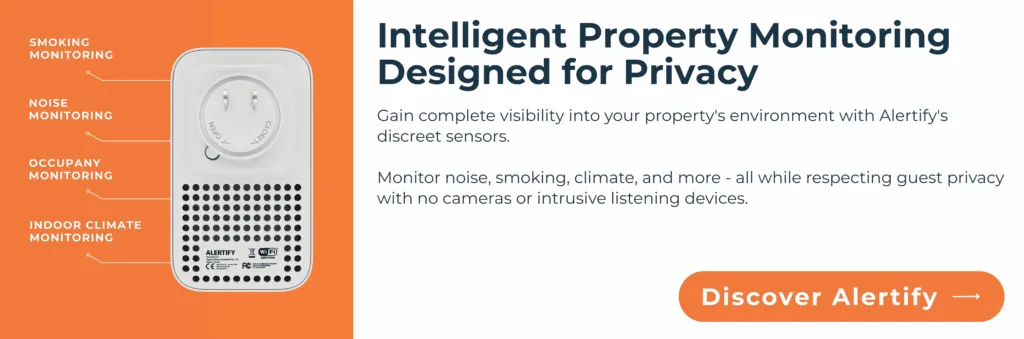
Ready to take the first step? Alertify provides the technology and expert support to help you design and implement a successful IAQ program tailored to your facility’s unique needs.