
Table of contents
- The Science of Stale Air: Why CO₂ Levels Are a Critical Metric for Learning
- Identifying an Unseen Threat: Sick Building Syndrome and School Health
- A Tool for Equity: Addressing Air Quality Disparities in Schools
- From Reactive to Proactive: Implementing CO₂ Monitoring in Schools
- Smart, Secure, and Transparent: Addressing Privacy and Communication
- The Alertify Solution: A Multi-Metric Approach to a Healthier School
In the complex ecosystem of modern education, school administrators, facility managers, and educators are constantly searching for variables that can be optimized to improve student outcomes. We invest in advanced curricula, state-of-the-art technology, and rigorous teacher training. Yet, a silent and often invisible factor is at play every single day, profoundly impacting student health, focus, and performance: the quality of the air inside the classroom. In the wake of a global pandemic that brought respiratory health to the forefront of everyone’s mind, the focus on indoor air quality has never been more intense. Across the country and the world, schools are grappling with a long-overdue reckoning with their own infrastructure; a crisis of poor indoor ventilation that disproportionately affects older buildings and underfunded districts. As students and staff spend upwards of a thousand hours a year in these enclosed spaces, the air they breathe becomes stale, leading to rising levels of carbon dioxide (CO₂) that can significantly hinder cognition and cause pervasive fatigue.
This isn’t merely a matter of comfort; it’s a critical issue of academic performance, student well-being, and educational equity. The air within a school should never be a barrier to learning, but for millions of students, that is exactly what it has become. The challenge is systemic, rooted in decades of deferred maintenance and infrastructure disparities. Fortunately, the solution is no longer out of reach or prohibitively expensive. With the advent of modern, affordable, and non-invasive technology, CO₂ monitoring in schools has emerged as one of the most effective, data-driven strategies to support student success.
This comprehensive guide will serve as a definitive resource, exploring the critical link between classroom air quality in schools and student achievement. We will delve deep into the science of why CO₂ matters, examining its multi-faceted impact on student health, cognitive function, and daily focus. We will also demonstrate how implementing a robust monitoring strategy can empower teachers with real-time data, provide the hard evidence needed to justify crucial infrastructure upgrades, and ultimately create more equitable learning environments for all students, regardless of their zip code. From understanding the nuanced data and integrating it with existing HVAC systems to communicating transparently with parents and stakeholders, this is your roadmap to transforming your school’s indoor environment and unlocking the full academic and personal potential of every student.
The Science of Stale Air: Why CO₂ Levels Are a Critical Metric for Learning
To effectively address the problem of poor air quality, we must first grasp the underlying science. The air in a bustling classroom is a dynamic environment, constantly changing with every breath taken and every lesson taught. Understanding the chemical and physical processes at play is the foundational step toward engineering healthier and more productive indoor spaces for our children.
What is CO₂ and How Does It Accumulate in Classrooms?
Carbon dioxide (CO₂) is a naturally occurring gas, a fundamental component of our planet’s atmosphere, and a normal, harmless byproduct of human respiration. Every time a student or teacher exhales, they release a measurable amount of CO₂ into the surrounding air. In an open, outdoor environment, this gas dissipates almost instantly, diluted by the vastness of the atmosphere, where typical concentrations hover around 400-450 parts per million (ppm).
However, the dynamics inside a confined space like a classroom are vastly different. Without a consistent and adequate supply of fresh outdoor air to dilute and replace the stale indoor air, the CO₂ exhaled by occupants begins to accumulate rapidly. This process is governed by the principles of ventilation, often measured in Air Changes per Hour (ACH), which quantifies how many times the entire volume of air in a room is replaced in a sixty-minute period. In buildings with outdated HVAC systems or a simple reliance on closed windows, the ACH can be dangerously low, allowing CO₂ concentrations to climb steadily throughout the school day.
The problem is significantly compounded by overcrowded classrooms, a common reality in many districts. Imagine a standard classroom designed for 20 students now holding 30. Each of those 30 individuals is a miniature CO₂ generator. The rate of accumulation is therefore 50% higher than the room was designed for, causing air quality to degrade at an accelerated rate and creating an invisible but potent environmental stressor for everyone inside. A room that might have maintained acceptable CO₂ levels with 20 students could easily surpass critical cognitive thresholds with 30, often before the mid-morning break.
The Direct and Devastating Impact on Student Cognition and Performance
Elevated CO₂ is more than just an indicator of stuffy, stale air; it is a direct and measurable inhibitor of higher-order cognitive function. When CO₂ levels in a classroom exceed 1,000 ppm, a threshold that research shows is frequently and easily crossed in many schools, students begin to experience tangible negative effects. These include fatigue, headaches, sluggishness, and a noticeable difficulty in concentrating. This phenomenon, often described by researchers and educators as a “cognitive fog,” acts as a hidden and persistent obstacle to learning. It can dull a student’s ability to absorb, process, and retain new information, effectively neutralizing the benefits of even the most well-crafted lesson plan or the most talented teacher.
The scientific evidence linking high CO₂ concentrations to diminished cognitive performance is robust and extensive:
- A comprehensive 2011 study of elementary school students established a clear, measurable link between ventilation and academic success. It found that for every unit increase in the ventilation rate, the proportion of students passing standardized tests was projected to increase by 2.9% for math and 2.7% for reading. This highlights a direct correlation between fresh air and testable academic outcomes.
- Reinforcing these findings from an economic perspective, a 2022 analysis from the IZA Institute of Labor Economics demonstrated that a one standard deviation increase in daily peak CO₂ during a school term leads to a 0.10 standard deviation decrease in student test scores.
These studies, taken together, paint an undeniable and sobering picture: the air students breathe is directly and inextricably tied to their ability to perform academically. For younger students, whose brains are still in a critical period of developing executive function skills like planning, focus, and self-control, this constant environmental drag can have lasting and detrimental consequences on their entire educational journey.
Beyond the Brain: Pervasive Physiological Effects and Classroom Fatigue
The impact of poor air quality extends beyond mental clarity to a student’s fundamental physiological well-being. High concentrations of CO₂ in the bloodstream can reduce the amount of oxygen that is effectively delivered to the body’s tissues, including the brain, triggering symptoms that mimic profound exhaustion. Students in poorly ventilated classrooms frequently report feeling tired, drowsy, listless, or even light-headed and dizzy by mid-morning, even after getting a full and restful night’s sleep.
This pervasive fatigue is a primary barrier to active and engaged learning. A tired student is far less likely to raise their hand, participate in classroom discussions, collaborate effectively with their peers, or retain the complex details of the day’s lessons. Teachers may even misinterpret these clear physiological symptoms of environmental stress – such as constant yawning, resting their head on the desk, lack of attentiveness, or frequent complaints of headaches – as behavioral issues, a lack of interest, or poor preparation. This can lead to incorrect interventions that fail to address the root cause. Effective school indoor air quality monitoring provides the objective, irrefutable data needed to distinguish a systemic environmental problem from an individual behavioral one, ensuring that students receive the right kind of support to succeed.
Identifying an Unseen Threat: Sick Building Syndrome and School Health
When poor air quality is not an occasional issue but a chronic, daily reality, it can contribute to a broader phenomenon known as “Sick Building Syndrome.” This condition, where building occupants experience a range of health effects directly linked to their time spent in a specific building, poses a serious threat to the well-being of both students and staff. For schools, it translates directly into more trips to the nurse’s office, higher and more disruptive absentee rates, and a severely compromised learning environment.
What is Sick Building Syndrome in a School Context?
Sick Building Syndrome is not a formally defined illness but rather a collection of non-specific symptoms that affect a significant portion of a building’s occupants and that tend to diminish or disappear when they leave the building. In a school setting, it manifests when consistently poor air circulation allows for the heavy accumulation of various airborne pollutants. This leads to a cluster of common symptoms, including chronic headaches, persistent fatigue, dizziness, dry and itchy eyes, sore throats, and general respiratory irritation among students and staff.
While CO₂ itself is not typically considered a toxic pollutant at the levels found in schools, it serves as an excellent and reliable proxy for overall ventilation effectiveness. When CO₂ levels are chronically high, it’s a definitive sign that the air inside is not being adequately refreshed with clean, outdoor air. This means that other, potentially more directly harmful airborne irritants such as dust, mold spores, allergens, viruses, and volatile organic compounds (VOCs) off-gassing from cleaning products, carpets, or furniture are also building up to elevated concentrations. These conditions, developing slowly and insidiously over time, can lead to a significant increase in absenteeism due to air quality-related illness, which directly impacts everything from individual academic performance to the school’s overall funding.
Monitoring CO₂ provides a crucial early warning system, allowing administrators to identify and address poor ventilation before it escalates into a systemic and costly health issue.
The Nurse’s Office: A Canary in the Coal Mine
Long before facility managers receive formal complaints or maintenance requests, school nurses are often the first to witness the subtle but persistent warning signs of a sick building. They are on the front lines, observing the patterns that others might miss. Imagine a school nurse reviewing her logbook for the month of October and noticing a recurring trend: a disproportionate number of students from the third-grade wing are visiting with complaints of headaches in the afternoon. She sees a stream of students complaining of persistent fatigue that isn’t tied to any specific illness, or a cluster of flu-like symptoms that don’t correspond to a known viral outbreak in the community. A crucial diagnostic clue is when these symptoms are consistently reported by students who share the same classroom, occupy the same wing of the school, or even ride the same poorly ventilated bus.
This anecdotal evidence is incredibly valuable, but it becomes truly powerful and actionable when it is paired with objective, empirical data. Connecting the visit logs from the nurse’s office with real-time school indoor air quality monitoring data can reveal clear, undeniable correlations. For example, if a documented spike in student headache complaints on Tuesday afternoons perfectly aligns with consistently high CO₂ readings in the west wing of the building during that same time period, administrators have a clear, data-backed starting point for a targeted investigation. This allows the entire school to shift from a reactive mode of addressing individual health complaints to a proactive mode of addressing the root environmental cause.
The Hidden Costs: Absenteeism and Systemic Learning Loss
The consequences of sick building syndrome extend far beyond the door of the nurse’s office, creating a cascade of negative effects throughout the school system. When students don’t feel well, they simply cannot learn effectively, and when they miss school entirely, they fall behind. Chronic absenteeism that is directly linked to poor indoor air quality is a significant and costly problem.
- Compounded Learning Loss: Students who frequently miss class due to illness or fatigue inevitably fall behind their peers academically. This creates gaps in their knowledge that can become harder to close over time, impacting their grades and long-term educational trajectory.
- Funding and Performance Metrics: In many states and districts, school funding is directly tied to Average Daily Attendance (ADA) rates. Therefore, high absenteeism can lead to significant and painful budget shortfalls, impacting the school’s ability to pay for teachers, programs, and resources. It can also negatively affect school performance ratings.
- Behavioral and Social Issues: The physical discomfort and mental fatigue caused by poor air quality can manifest as irritability, a short temper, and a lack of focus, leading to an increase in classroom behavioral issues and disciplinary actions.
- Strain on School Resources: Higher rates of illness among both students and staff place a heavy strain on the school’s limited resources. This includes an increased demand on school nurses and counselors, as well as the significant financial cost of hiring substitute teachers to cover for sick staff.
In this context, investing in robust air quality monitoring and ventilation improvements is a direct and high-return investment in learning, attendance, and the overall financial and educational health of the school district.
A Tool for Equity: Addressing Air Quality Disparities in Schools
The crisis of poor air quality does not affect all students equally. Decades of systemic disparities in school infrastructure funding and maintenance have created a silent but profound barrier to educational equity. All too often, students in underfunded and underserved communities bear the heaviest burden of this environmental problem, breathing dirtier air in aging buildings.
The Inequity of Outdated Infrastructure
Many schools in underserved communities are housed in aging buildings constructed long before modern ventilation standards and building codes were established. These facilities often have inefficient, broken, or entirely non-existent HVAC systems, forcing them to rely on rudimentary and often ineffective methods like opening windows for air circulation – assuming the windows are functional and outdoor weather conditions permit it. As a result, students in these schools are disproportionately exposed to chronically high levels of CO₂, allergens, mold, and other airborne pollutants that are known to harm health and hinder learning.
Meanwhile, wealthier districts, often funded by a more robust local property tax base, have the resources to build modern, well-ventilated facilities or to perform the costly retrofits needed to bring older buildings up to modern standards. This stark contrast in the physical learning environment creates a deep and persistent inequity. It deepens the existing achievement gap, creating a scenario where a student’s zip code can literally determine the quality of the air they breathe in their classroom and, by extension, their fundamental opportunity to succeed academically. Addressing this gap and achieving school air quality equity is therefore not just an infrastructure goal but a pressing matter of educational justice.
How Data Empowers Underserved Schools to Fight Back
For far too long, administrators in underfunded districts lacked the tools to quantify their air quality problems. Complaints from teachers about “stuffy” or “musty” rooms were purely anecdotal and easily dismissed by district officials or budget committees as subjective. Today, the availability of affordable, scalable, and easy-to-deploy CO₂ monitoring in underserved schools is fundamentally changing this narrative. It provides administrators with the real-time, actionable, and objective data they need to drive meaningful change.
By strategically installing CO₂ sensors throughout their buildings, these schools can:
- Identify and Prioritize Problem Zones: The data will instantly pinpoint specific classrooms, offices, or common areas with chronically poor ventilation, allowing for targeted and cost-effective interventions rather than a scattershot approach.
- Optimize Schedules and Building Use: Administrators can use the data to make smarter decisions, such as rotating classes through rooms with better air quality or scheduling “airing out” periods for rooms that show consistently high CO₂ levels.
- Create Safer and Healthier Environments: By managing ventilation more effectively, schools can reduce the ambient risk of airborne virus transmission and mitigate common triggers for the significant number of students who suffer from asthma or allergies.
Using Hard Data as a Leverage Point for Funding and Policy
Perhaps the most powerful application of CO₂ monitoring in schools within underserved districts is its role as an undeniable tool for advocacy and funding acquisition. Armed with concrete, scientific data, administrators are no longer just making requests based on anecdotes; they are presenting irrefutable evidence of a problem. This data becomes a critical leverage point to unlock crucial funding and drive necessary policy change.
With the increased public awareness around school air quality, many government bodies and state departments now offer competitive grants for ventilation and infrastructure upgrades. However, to access these vital funds, schools are almost always required to prove that a problem exists and that they have a data-informed plan to solve it. CO₂ sensors provide precisely this proof. Administrators can use detailed sensor data to:
- Justify and Strengthen Grant Applications: They can submit compelling reports filled with graphs and charts showing classrooms with consistently high CO₂ levels, which dramatically strengthens their applications for facilities improvement grants and federal funds like the ESSER (Elementary and Secondary School Emergency Relief) funds.
- Advocate for Systemic Change: By aggregating data, they can present district-wide or even state-level reports to policymakers, advocating for legislative action, updated building codes, and increased, more equitable funding formulas.
- Build Overwhelming Community Support: By being transparent with the data, they can clearly show parents and school boards the reality of the situation in their children’s classrooms. This builds trust and helps win crucial support for bonds or other local funding initiatives needed to fix the problem.
As one real-world case study showed, a public high school in a low-income area used CO₂ data to prove that several of its classrooms were consistently operating at over 1,800 ppm which was well above safety and comfort thresholds. Armed with this undeniable evidence, the school successfully applied for and received a state grant to upgrade classroom ventilation and add air purifiers, leading directly to improved student attentiveness and a reduction in health complaints. Air monitoring transforms the fight for equity from a simple plea for help into a data-driven, evidence-based demand for action.
From Reactive to Proactive: Implementing CO₂ Monitoring in Schools
The traditional approach to ventilation issues in most school districts has been almost entirely reactive. A school waits until students feel tired, a teacher complains about a perpetually “stuffy” room, or a parent raises a concern. Only then is a maintenance request filed, which can take days or weeks to be addressed. This slow, subjective process means that students are forced to continue learning in suboptimal conditions long after a problem has developed. A modern, data-driven strategy flips this outdated model on its head, empowering staff at all levels to become proactive managers of their learning environments.
The Power of Real-Time Alerts and Teacher Empowerment
The true, transformative potential of CO₂ monitoring in schools is unlocked when it is paired with real-time CO₂ alerts in the classroom. These systems provide teachers with continuous, easy-to-understand data about their immediate environment, shifting them from passive observers of a problem to empowered first responders. Instead of having to guess if a room feels stuffy or if student lethargy is due to the air quality, a simple, intuitive, color-coded alert on a device or a notification on a computer can inform a teacher the moment CO₂ levels begin to creep into a problematic zone. This allows them to take immediate, simple, and effective actions long before the cognitive fog has a chance to set in.
This concept is known as a “classroom ventilation response”—a set of pre-planned, simple actions that a teacher can take to improve air quality without having to wait for external intervention or maintenance staff. These small steps, when prompted by real-time data, can have a significant and immediate impact:
- Opening Windows and Doors: A simple alert can prompt a teacher to open windows and the classroom door for just a few minutes between lessons or during a break. This practice, known as a “flush out,” can introduce a large volume of fresh air and quickly lower accumulated CO₂ levels.
- Strategic Use of Fans: With real-time data, teachers can learn to use fans not just for cooling, but for improving air circulation and preventing stagnant air from accumulating in certain parts of the room, especially in corners or far from vents.
- Temporary Relocation: If the data consistently shows that a particular classroom has persistent and severe ventilation issues (e.g., levels always spike by 11 a.m.), a teacher is empowered with the evidence to make an informed decision to move a specific lesson to the library, an outdoor space, or another available room with better air quality.
Furthermore, this data transforms the nature of communication with facilities and maintenance teams. A vague, subjective complaint like “the room is always stuffy” can be replaced with a specific, objective, evidence-based report: “The CO₂ levels in Room 204 have exceeded 1,500 ppm every afternoon for the past two weeks between 1 p.m. and 3 p.m.”. This level of specific, actionable information allows maintenance staff to diagnose and fix the root cause of the problem far more efficiently and effectively.
Strategic Sensor Placement for Accurate and Actionable Data
An effective monitoring program begins with a smart and strategic placement strategy. The primary goal is to collect data that accurately and reliably reflects the air that students and staff are actually breathing in the most highly occupied spaces. Using a school floor plan, administrators and facility managers should work together to prioritize placing sensors in the following key locations:
- Every Single Classroom: As the primary learning environment where students and staff spend the vast majority of their day, this is the most critical area to monitor.
- Libraries and Common Areas: These spaces can become unexpectedly crowded and are often areas for quiet focus, making good air quality essential.
- Gymnasiums, Auditoriums, and Theaters: Large gatherings and periods of high physical activity cause CO₂ levels to rise extremely quickly, making these areas prime candidates for monitoring.
- Cafeterias and Staff Lounges: Any place where large groups of people gather for extended periods should be monitored to ensure health and comfort.
For the most accurate and representative readings, it is best practice to place devices away from the direct airflow of open windows, doors, or HVAC vents, as this can artificially lower the readings and skew the data.
Integrating with HVAC for a Smarter, More Efficient System
For schools that are undergoing facility upgrades or planning new construction, integrating CO₂ sensors for classroom ventilation directly with the building’s HVAC systems is a technological and efficiency game-changer. This creates a smart, responsive system that modulates ventilation based on real-time conditions rather than running on a fixed, pre-programmed schedule. This advanced approach, known as Demand-Controlled Ventilation (DCV), aligns perfectly with the latest recommendations from the American Society of Heating, Refrigerating and Air-Conditioning Engineers (ASHRAE) and offers a host of compelling benefits.
- Enhanced Health and Safety: When CO₂ sensors detect that a room’s occupancy is increasing (as indicated by rising CO₂ levels), the system automatically increases the flow of fresh, filtered air to that specific zone, ensuring that optimal learning conditions are maintained throughout the day.
- Significant Energy and Cost Savings: A smart system avoids wasting enormous amounts of energy (and money) by heating or cooling and circulating air into empty or sparsely occupied rooms. The HVAC system works only when and where it is needed, which can lead to dramatic reductions in utility bills over the long term.
- Data-Driven and Preventative Maintenance: The continuous data stream from the sensors allows facilities teams to monitor the performance of the entire HVAC system. They can spot declining air quality or system inefficiencies early, allowing for proactive, preventative maintenance before a costly and disruptive breakdown occurs.
Integrating CO₂ monitoring into every school HVAC upgrade should become the new industry standard. It is a relatively small upfront investment that transforms a major capital expenditure into a smart, health-boosting, and cost-efficient system for the 21st century.
Smart, Secure, and Transparent: Addressing Privacy and Communication
Adopting any new form of technology in a school setting requires a careful and deliberate balance between innovation and protection. While the benefits of air quality monitoring are overwhelmingly clear, valid and understandable concerns about student data privacy can become a significant barrier to adoption if they are not addressed proactively with transparent communication and the selection of appropriate, privacy-respecting technology.
The Privacy Question and the Solution: Non-Invasive, Purpose-Built Monitoring
In an age of increasing digital surveillance, parents and educators are rightly concerned about the collection of student data in the classroom. The fear, often unspoken, is that devices placed in classrooms could contain hidden microphones or cameras, capable of inadvertently recording classroom interactions, student conversations, or sensitive behaviors. These concerns must be taken seriously and treated with the utmost respect.
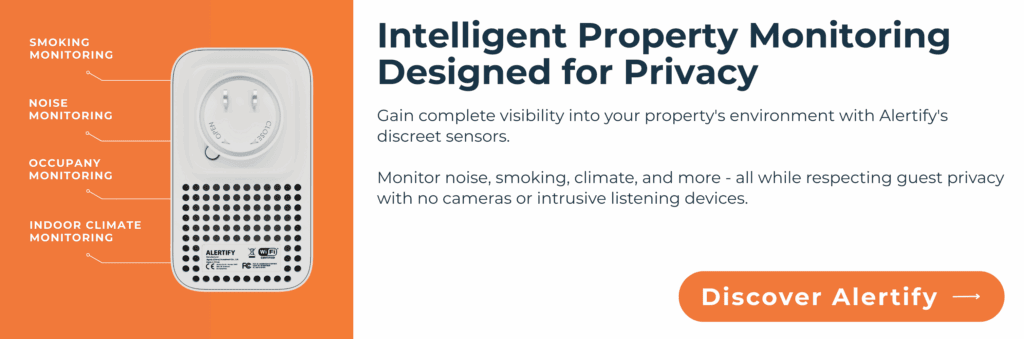
This is precisely why choosing privacy-safe school air sensors is not just a good idea, but an absolute requirement for building and maintaining the trust of your entire school community. A truly non-invasive air monitoring system is purpose-built from the ground up to protect privacy. It is fundamentally different from a security camera or a smart assistant. It does not record audio. It does not capture video. And it does not collect any personally identifiable information (PII) about students or staff. Instead, its sole function is to use a suite of specialized chemical and environmental sensors to passively measure ambient conditions in the room. This includes metrics like:
- CO₂ concentration (indicating air freshness and occupancy)
- Temperature and humidity (linked to comfort and virus spread)
- Fine particulate matter (PM2.5) or Volatile Organic Compounds (VOCs), in some advanced models
These devices function purely as environmental data collectors, providing complete assurance to students, teachers, and parents that no personal activities, conversations, or behaviors are ever being monitored or recorded. Furthermore, because these sensors do not collect any student data, they help schools easily remain compliant with stringent federal privacy regulations like the Family Educational Rights and Privacy Act (FERPA) and the Children’s Online Privacy Protection Act (COPPA), as well as various state-level student data protection laws. This allows schools to reap all the health and academic benefits of air monitoring while completely avoiding the significant legal and ethical risks associated with more invasive technologies .
The Key to Success: A Strategy of Proactive School Air Quality Communication
Transparency is the bedrock of trust. When it comes to implementing air sensors in classrooms, proactive and clear communication is the single most important factor in determining whether the initiative is met with support or suspicion from the parent community. School administrators must lead this conversation, framing the initiative around its true and shared purpose: protecting student health and enhancing academic success.
Here are key talking points and a multi-stage strategy for effective school air quality communication:
- Start with the “Why”: Always lead with the benefits to students, which is the primary concern of every parent. An effective opening message is:
“As part of our deep commitment to student health and creating the best possible learning environment, we have implemented an air quality monitoring program. The data shows that clean, well-ventilated air helps improve student concentration, reduce fatigue, and decrease absenteeism, which directly supports learning and achievement.”. - Clarify What the Sensors Do (and, Crucially, What They Don’t Do): Address privacy concerns directly, honestly, and immediately. State clearly and unequivocally:
“It is very important for you to know that these devices are purely environmental sensors. They measure factors like carbon dioxide, temperature, and humidity. They do not have microphones or cameras, and they are incapable of recording sound or video. They collect absolutely no personal information about our students or staff. Their only job is to help our facilities team know when a room needs more fresh air.”. - Highlight the Proactive and Preventative Value: Position the technology not as a reaction to a problem, but as a proactive tool for maintaining a healthy school. Explain:
“These tools allow our team to spot potential air quality issues early and fix them before they have a chance to affect student health, comfort, or learning. It allows us to move from being reactive to being proactive in managing our school’s environment.”.
Schools can deliver this message through a variety of channels to ensure it reaches all stakeholders. This could include a dedicated parent information session (both in-person and virtual), a prominent feature in the school’s weekly or monthly newsletter, and a permanent parent-friendly one-page guide or FAQ section posted on the school website. When parents do raise individual concerns, the best practice is to first acknowledge and validate their question and then gently and clearly reiterate the benefits and the privacy protections in place.
The Alertify Solution: A Multi-Metric Approach to a Healthier School
Understanding the critical importance of monitoring CO₂ and developing a communication strategy are the first steps. The next, equally crucial step is choosing a monitoring solution that is effective, reliable, user-friendly, and comprehensive. Alertify provides a sophisticated, multi-metric approach that gives you a complete and holistic picture of your indoor environment, empowering you to create spaces where every student and staff member can truly thrive.
Beyond CO₂: A Holistic and Comprehensive View of Your Environment
While CO₂ is a critical and indispensable indicator of air freshness and ventilation effectiveness, it is ultimately only one piece of the complex indoor air quality puzzle. Alertify’s advanced AQ+ devices are designed to provide a much more extensive and useful environmental profile by simultaneously monitoring several key metrics, all visible from a single dashboard:
- Carbon Dioxide (CO₂): To provide the core data needed to gauge ventilation effectiveness and ensure a steady supply of fresh air.
- Fine Particulate Matter (PM2.5, 5, and 10): To track the concentration of tiny, inhalable airborne particles from sources like pollution, smoke, or dust, which can have a significant impact on respiratory health, especially for those with asthma.
- Temperature and Humidity: To ensure a comfortable and safe learning environment. Properly managed humidity levels are also known to discourage the spread and survival of certain airborne viruses.
- Smoke Monitoring: To provide an additional layer of safety and security, alerting administrators to the potential presence of smoke from various sources.
This multi-faceted approach provides a holistic, 360-degree overview of the indoor environmental health of your facilities, giving administrators the rich, nuanced insights they need to make well-rounded and effective decisions that protect both health and comfort.
Getting Started with Alertify: Simplicity, Control, and Actionable Data
The thought of planning, procuring, and installing a new network of technological devices across an entire campus can feel intimidating and overwhelming, especially for school staff who are already stretched thin. However, the Alertify system is specifically designed from the ground up to be user-friendly, straightforward, and painless to implement, ensuring that your primary focus can remain on education, not on complex IT projects. The entire process, from unboxing the devices to seeing live data on your screen, is a series of simple, manageable steps that do not require specialized technical expertise. The initial setup involves creating an account, connecting the devices to your Wi-Fi network via a simple app, and strategically placing them in your chosen locations.
Once installed, the Alertify dashboard becomes your central command center. It provides a live, 24/7, at-a-glance view of the environmental conditions across all of your monitored spaces. From this single, intuitive interface, you can track real-time trends, manage device settings, customize alert thresholds, and download detailed historical data reports for analysis, and compliance reporting.
A Call to Action for a Healthier, Brighter Future
The evidence is clear, compelling, and conclusive: the air inside our schools has a direct, profound, and measurable impact on student health, daily concentration, and overall academic achievement. Ensuring clean air is one of the most cost-effective and high-impact strategies available for supporting student success, promoting staff wellness, and advancing the cause of educational equity.
Alertify is your dedicated partner in creating healthier, safer, and more productive learning environments for the next generation. Alertify devices are powerful and comprehensive environmental monitors. Through the user-friendly and intuitive Alertify dashboard, you can seamlessly track CO₂ trends alongside other critical metrics, giving you the complete, actionable data you need to manage your school’s air quality with precision and confidence. Our devices also monitor for smoke, temperature, humidity, and more, providing a complete and invaluable picture of your indoor environment.