
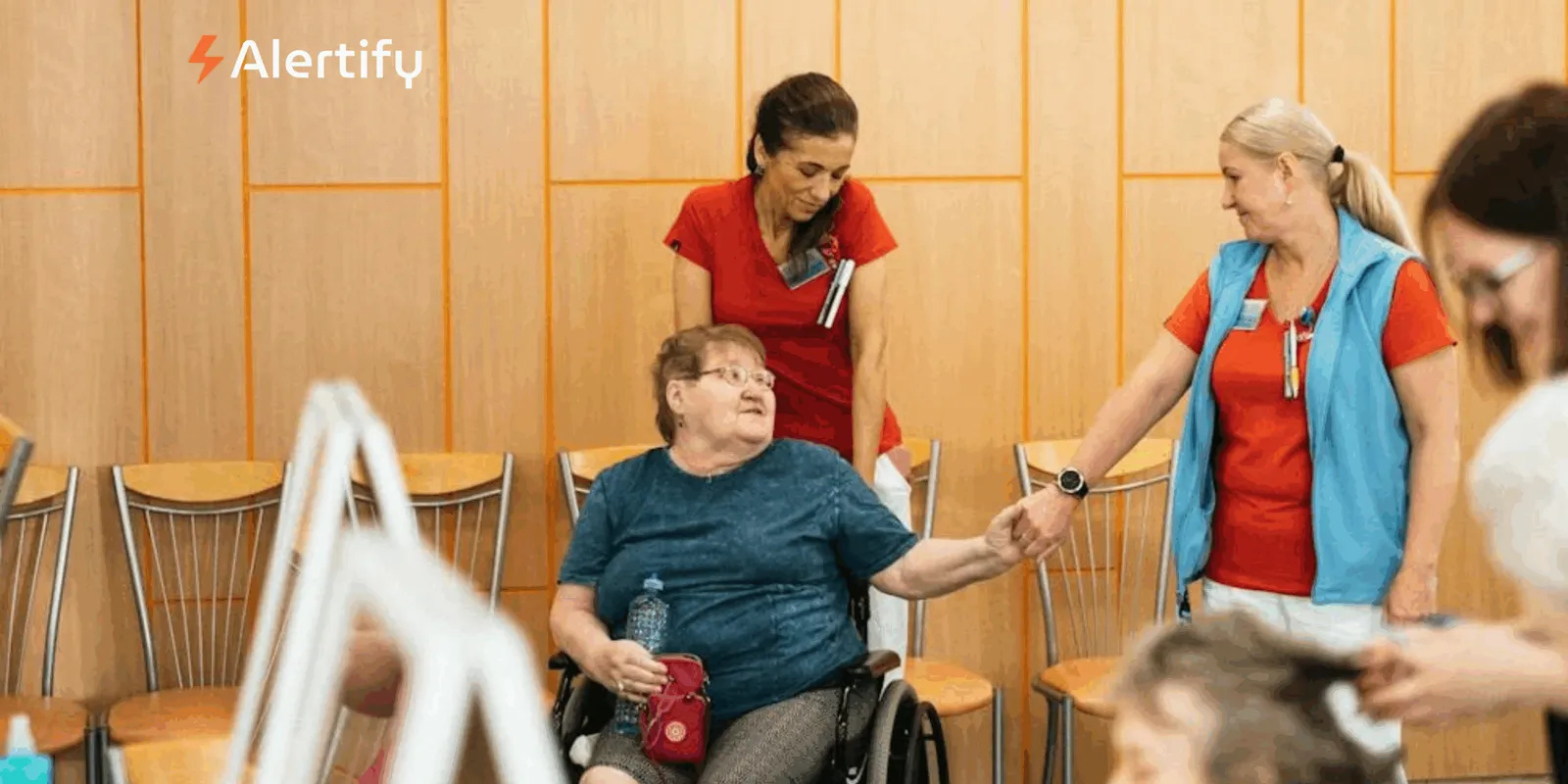
In senior living facilities, creating a peaceful, supportive environment is about more than just comfort—it’s a matter of resident dignity, health, and safety. While many factors contribute to the acoustic atmosphere of a care home, one of the most significant—and most manageable—is staff behavior.
From rolling carts and closing doors to hallway conversations and care routines, staff actions can either contribute to a calm setting or unintentionally create a noisy, disruptive environment. That’s why reducing staff-created noise in elderly care is critical for maintaining resident well-being and meeting quality-of-care expectations.
This guide is designed to help facility managers, administrators, and caregivers implement effective training protocols and smoking monitors in senior housing that reduce staff-created noise, improve awareness, and foster quieter, more respectful care routines in assisted living and memory care communities.
Why Staff Noise Awareness Matters in Senior Housing
Elderly residents—especially those with dementia or sensory impairments—are particularly vulnerable to environmental noise. Noise can impact senior health. Sudden or excessive noise can trigger confusion, anxiety, agitation, and even physical health risks such as high blood pressure or disrupted sleep. In some cases, residents may be unable to voice discomfort, making proactive noise management all the more important.
While ambient factors like HVAC systems or building design play a role, much of the noise in elderly care environments is created by staff activity. Caregivers, nurses, maintenance workers, and dining teams all play a part in shaping the acoustic environment through their communication patterns, equipment handling, and movements.
The Goals of Staff Noise Training in Senior Housing
Effective staff noise training is about creating a shared sense of awareness and responsibility. The goals include:
Promoting awareness of how staff behaviors impact residents
Reinforcing quiet protocols during sensitive times (e.g., overnight, early mornings)
Teaching staff how to reduce operational noise from tools, carts, and equipment
Providing communication techniques that maintain professionalism without increasing noise
Using tech tools like Alertify to support data-driven awareness and accountability
Quiet Protocols for Assisted Living Facilities
Many facilities already have policies in place to minimize disturbances, but without consistent staff training, enforcement can be inconsistent. Here are foundational quiet protocols for assisted living environments that should be included in all noise training sessions:
1. Respect Quiet Hours
Establish and enforce quiet hours—typically between 9:00 PM and 7:00 AM. During these times, staff should:
Speak in lower tones
Limit hallway conversations
Avoid unnecessary room checks
Use radios or pagers on silent or vibrate mode
2. Reduce Equipment Noise
Carts, laundry bins, meal trays, and medical trolleys can create significant noise if not handled properly. Encourage:
Using rubber wheels on carts
Replacing loud or squeaky equipment
Closing drawers, cabinets, and doors gently
Avoiding clatter when stacking dishes or supplies
3. Use Light-Footed Movement
Train staff to wear soft-soled or rubber shoes and encourage slower, more deliberate movement in residential areas, especially during rest times.
Staff Communication Guidelines for Noise Control
One of the most common sources of noise is staff-to-staff or staff-to-resident communication. While communication is essential for care delivery, it doesn’t have to be disruptive.
Quiet Communication Tips:
Speak in a calm, moderate tone—never yell across hallways
Use walkie-talkies or smartphones with earpieces or vibration alerts
Avoid chatting near resident doors or open common areas during rest periods
Save non-essential conversations for break rooms or non-residential zones
Suggested Script for Staff Reminders:
“Let’s keep our voices down, especially in the hallways—Mr. Smith is sleeping and tends to wake easily.”
“Hey team, don’t forget our 9 PM quiet hours—let’s check volumes and keep carts moving gently.”
Small reminders like these build a culture of respect and reinforce team-based accountability.
How Technology Supports Noise Awareness and Accountability
Implementing staff noise training in senior housing is significantly more effective when backed by real-time data. Tools like Alertify help facilities:
Monitor noise levels in different zones of the building
Send real-time alerts when decibel thresholds are exceeded
Create reports that show recurring problem areas or shifts
Provide objective feedback during staff coaching or audits
This non-invasive, privacy-safe monitoring system gives managers the ability to track noise patterns and implement targeted training or layout improvements where needed. It also allows caregivers to self-correct when alerts notify them of excessive sound levels—empowering teams to be part of the solution.
Incorporating Noise Management into Staff Training Programs
Here’s how to structure ongoing staff training around noise awareness:
Initial Training:
Introduce the impact of noise on resident health and satisfaction
Walk through quiet protocols and communication expectations
Demonstrate how Alertify works and how alerts should be interpreted
Ongoing Refreshers:
Monthly or quarterly check-ins on noise trends and feedback
Short in-service sessions focusing on specific areas (e.g., cart handling, night shift protocols)
Use of Alertify data to praise staff for improvements or address repeated issues
Recognition and Culture:
Create a “Quiet Champion of the Month” award
Celebrate noise-reduction wins during team meetings
Make noise awareness part of your facility’s care philosophy
Final Thoughts
Reducing noise in senior housing isn’t just about better acoustics—it’s about delivering better care. Through consistent, well-designed staff training and noise monitoring in senior housing, teams can dramatically improve the living experience for residents while reducing complaints, enhancing sleep, and boosting family satisfaction.
With tools like Alertify and thoughtful protocols in place, caregivers become active participants in creating calm, respectful environments that honor the dignity of those they serve.
In senior care, silence isn’t just golden—it’s healing.
Manage noise in senior living facility
Want more Alertify? Follow us on: