Living next to a noisy neighbour is one of the most stressful experiences a person can face in their own home. When that home is in social or affordable housing — where walls are thinner, units are closer together, and the options for simply moving elsewhere are limited — the impact of unresolved noise can be profound and long-lasting. If you are dealing with noisy neighbours in social housing, you are not alone, and you are not without options. This guide explains what constitutes a noise violation, what your rights are, and what you can do to get your complaint taken seriously and resolved effectively.
What Counts as a Noise Violation in Social Housing
Not every sound a neighbour makes constitutes a formal noise violation, but the threshold for what qualifies as actionable noise nuisance is lower than many residents realise. In the United Kingdom, the Environmental Protection Act 1990 defines a statutory noise nuisance as noise that unreasonably and substantially interferes with the use and enjoyment of a home, or is prejudicial to health. Local authorities have a legal duty to investigate complaints that meet this threshold and to take enforcement action where a nuisance is confirmed.
In the United States, noise nuisance in social and affordable housing is governed by a combination of local ordinances, lease agreements, and the habitability standards enforced by housing authorities. HUD’s Housing Quality Standards require that federally assisted housing be free from conditions that are hazardous to residents’ health — a standard that chronic, severe noise disruption can meet when it demonstrably impairs sleep, mental health, or daily functioning.
Common examples of noise that typically qualifies for formal complaint include loud music or television late at night or early in the morning, repeated loud arguments or shouting, persistent banging or stomping, excessive noise from parties or gatherings, and noise from pets sustained over long periods. The key factors in determining whether noise is actionable are its volume, its frequency, its timing, and its impact on the affected resident’s ability to use and enjoy their home.
Noisy Neighbours in Social Housing: Your Rights as a Resident
As a resident of social or affordable housing, you have a right to quiet enjoyment of your home. This is not simply a courtesy — it is a legal right enshrined in your tenancy agreement and in the broader legal framework governing residential tenancies. Your landlord — whether a local authority, housing association, or social housing provider — has a corresponding legal obligation to take reasonable steps to address noise nuisance that is reported to them by a resident.
The Housing Ombudsman Service in England has issued multiple determinations against housing providers that failed to respond adequately to noise complaints from residents — finding in favour of complainants where landlords were slow to investigate, insufficiently persistent in their enforcement action, or unable to demonstrate a systematic and documented response. These determinations make clear that a housing provider cannot simply log a complaint and take no further action. They are expected to investigate, document, and where the evidence supports it, enforce.
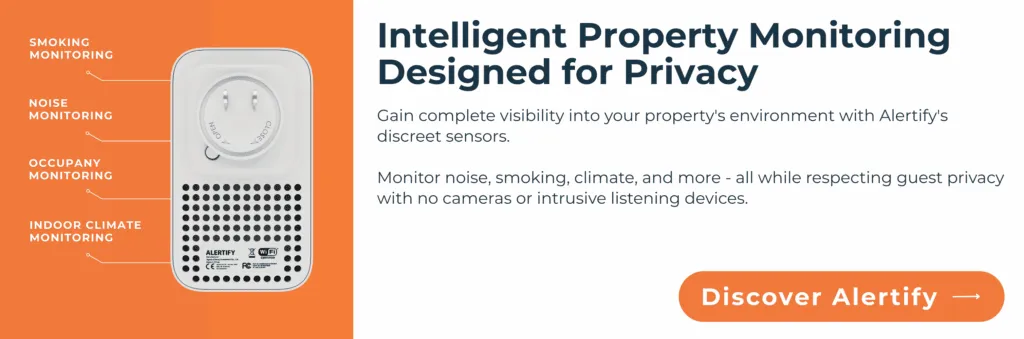
Understanding noise monitoring for affordable housing is increasingly relevant for residents in this context. When a housing provider has monitoring technology in place, noise complaints are no longer dependent on resident testimony alone — they are supported by objective, timestamped data that demonstrates when and how severely thresholds were exceeded. This fundamentally changes the weight of a resident’s complaint and the ease with which a provider can act on it.
How to Make Your Complaint Effective
The most common reason noise complaints in social housing fail to result in action is insufficient evidence. A complaint that says “my neighbour is always loud” gives a housing officer very little to work with. A complaint that says “my neighbour exceeded safe noise levels on fourteen occasions between 11pm and 3am over the past three weeks, as documented in my noise diary and confirmed by decibel readings from the monitoring device installed in my building” is a complaint that can be acted upon.
Start by keeping a detailed written log of every noise incident — date, time, duration, and a description of the noise. Note the impact it had on you: did it wake you, prevent you from sleeping, or force you to leave a room? If your building has a noise monitoring system such as Alertify installed, ask your housing officer to pull the incident report for the relevant period. The documentary evidence feature generates timestamped, downloadable reports that provide objective corroboration of your complaint and significantly strengthen your case for formal enforcement action.
Submit your complaint in writing — not just verbally — and keep copies of all correspondence. If your housing provider fails to respond adequately within a reasonable timeframe, you have the right to escalate to your local authority environmental health department, the Housing Ombudsman Service in England, or the relevant housing regulator in your jurisdiction.
When Your Landlord Has a Monitoring System in Place
If your housing provider has invested in noise monitoring technology, this works in your favour as a resident. Real-time detection means that noise events are logged automatically without requiring you to make a complaint each time — building a continuous, objective record that is far more powerful than a resident diary alone. Automated alerts through Alertify’s Guest Alert feature mean that in the majority of cases, noise incidents resolve within ten minutes without requiring you to make any contact with your neighbour or your housing officer at all.
You Deserve a Home That Feels Like One
Noise should never be accepted as an unavoidable feature of life in social housing. Your right to quiet enjoyment of your home is real, legally protected, and worth asserting. The evidence tools and the regulatory framework to support your complaint exist — and when housing providers are equipped with the right monitoring technology, the system works as it should.
Book a free demo with Alertify — if you are a housing officer or property manager reading this, find out how real-time noise monitoring can help you respond to resident complaints faster, more fairly, and with the evidence to act.