
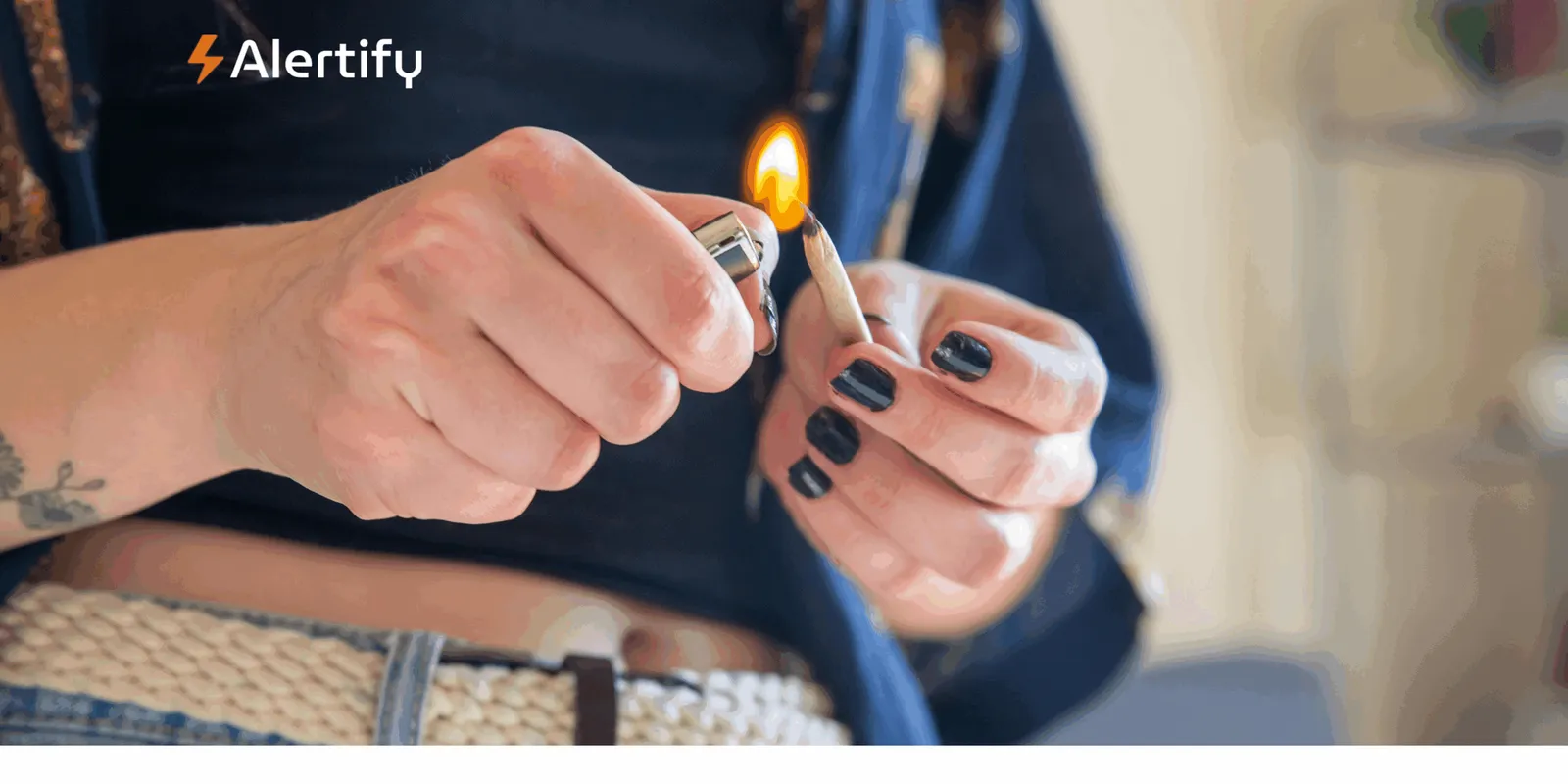
A Growing Challenge in Campus Life
As marijuana legalization expands across states and countries, university housing directors face a new balancing act: How do you maintain campus safety and uphold policies without infringing on student privacy?
College students are among the most frequent cannabis users, especially in states where recreational use is legal for those 21 and older. But even in those places, most universities prohibit marijuana use on campus due to federal funding restrictions, health policies, and community standards.
And yet, enforcement remains one of the most difficult aspects of campus marijuana monitoring. Traditional methods—RA complaints, odor reports, or surprise inspections—can feel subjective, intrusive, or lead to tense student-staff relationships. Worse, they often fail to catch issues early, only addressing problems after they’ve escalated.
The solution lies in smarter policies, consistent education, and passive, privacy-conscious detection tools that protect both students and institutions.
I. Why Marijuana Is a Unique Housing Issue
1. Legal in Society, Prohibited on Campus
This contradiction creates confusion for students. They might think if it’s legal at home, it must be okay in a dorm. But most colleges—especially those receiving federal funds—must comply with the Drug-Free Schools and Communities Act. That means even recreational use can violate the code of conduct, trigger disciplinary action, or impact financial aid eligibility.
2. Shared Air, Shared Risks
Even if a student smokes privately, the consequences aren’t isolated. Secondhand marijuana smoke affects roommates and neighbors. It lingers in HVAC systems, sticks to walls and fabrics, and can create health concerns, particularly for those with asthma or sensitivities.
3. Cost of Clean-Up
Restoring a marijuana-contaminated dorm room isn’t cheap. Depending on the frequency of use, administrators may need to repaint walls, deep clean ducts, replace furniture, or professionally remove odor—especially before a new student moves in. These costs quickly add up and can’t always be recouped through student billing alone.
II. Campus Marijuana Monitoring Without Crossing the Line
One of the biggest concerns in student housing today is how to enforce policy without surveillance. Students expect some level of autonomy in their living space, and overt monitoring—such as security cameras or frequent staff walk-ins—can erode trust.
But ignoring the problem isn’t an option either.
Passive Smoke Sensors: A Modern Solution
This is where passive dorm room smoke sensors come in. Unlike cameras or microphones, these devices only detect particulate matter and chemical markers in the air associated with smoking—whether it’s tobacco or marijuana. There’s no recording, no video feed, no privacy intrusion.
For housing directors and student affairs teams, these sensors provide:
Objective Data: Incidents are timestamped and tied to specific rooms or areas.
Real-Time Alerts: Staff can be notified immediately when smoke is detected.
Repeat Tracking: Ongoing patterns can be logged and used for behavioral interventions.
Policy Back-Up: Sensors help support a policy, not replace it—creating a framework for fair, consistent enforcement.
Systems like Alertify’s smoke sensors are already being used in universities to provide non-invasive monitoring that supports university safety compliance while keeping trust with students intact.
III. Building a Student Marijuana Policy That Works
No sensor can do the job alone. Effective student marijuana policy enforcement still begins with strong, clear, and fair guidelines communicated upfront.
Components of an Effective Policy:
Clear Language: Define marijuana use explicitly, including vaping and edibles.
Location Rules: Specify that no use is allowed inside dorms, shared spaces, or near entrances.
Consequences: Detail the disciplinary process, from warnings to formal hearings.
Education: Provide information about how marijuana affects cognition, memory, and academic performance.
Support Services: Offer pathways to cessation support, mental health resources, or voluntary counseling.
Policy Rollout Tips:
Discuss policies during orientation and include in housing contracts.
Use student ambassadors or RA teams to help communicate expectations.
Send reminder emails around high-risk times (e.g., 4/20, major campus events).
Make enforcement equitable—data should guide action, not assumptions.
IV. Prevention Through Education, Not Just Punishment
It’s easy to default to discipline when a policy is broken. But today’s housing leaders know that smoking prevention in schools requires proactive engagement.
Student Workshops
Host optional or mandatory educational events on marijuana and campus policy. Address not just legal risks, but also academic and health impacts.
Harm Reduction Conversations
Train RAs and staff to have open, nonjudgmental conversations with students. Encourage dialogue before policy violations happen.
Anonymous Feedback
Provide channels for anonymous reporting or concerns about roommate smoking, and use the feedback to guide community support—not just punitive action.
V. Documentation and Legal Protection
Sensors do more than notify you—they also help build an audit trail. This becomes essential when students dispute claims or when formal hearings are required.
Downloadable Reports: Time-stamped PDF reports provide evidence of violations.
Incident Logs: Keep track of multiple events in one location, making trend analysis easier.
Policy Alignment: Reports show that the institution took action consistent with the written policy—critical in legal or insurance scenarios.
This type of automation and documentation strengthens your ability to uphold policies fairly and consistently.
Striking the Right Balance
Campus marijuana monitoring doesn’t have to be invasive or authoritarian. With the right combination of education, clearly written policies, and passive monitoring tools, universities can support student wellness, reduce damage to facilities, and maintain a safe and respectful living environment.
Students aren’t just residents—they’re young adults learning boundaries, responsibility, and consequences. By reinforcing your rules through respect and transparency, you don’t just prevent violations—you build a stronger campus culture.
When students feel they are part of a fair, trusted, and healthy community, they’re more likely to comply, engage, and succeed. And when universities can back their enforcement with objective tools and clear documentation, it becomes easier to act confidently—and compassionately—when it matters most.
Manage marijuana use in student housing
Want more Alertify? Follow us on: